Honda’s Rough Year is Forcing a Change in Direction
Honda is now in rebuilding mode after a $2.5 billion loss for fiscal 2025 – the biggest in its history. The company’s rapid EV push, mixed with softer demand and higher costs, has put it in a spot that looks a lot like where Nissan found itself not long ago. Honda isn’t in a full-blown crisis, but it’s definitely making course corrections.
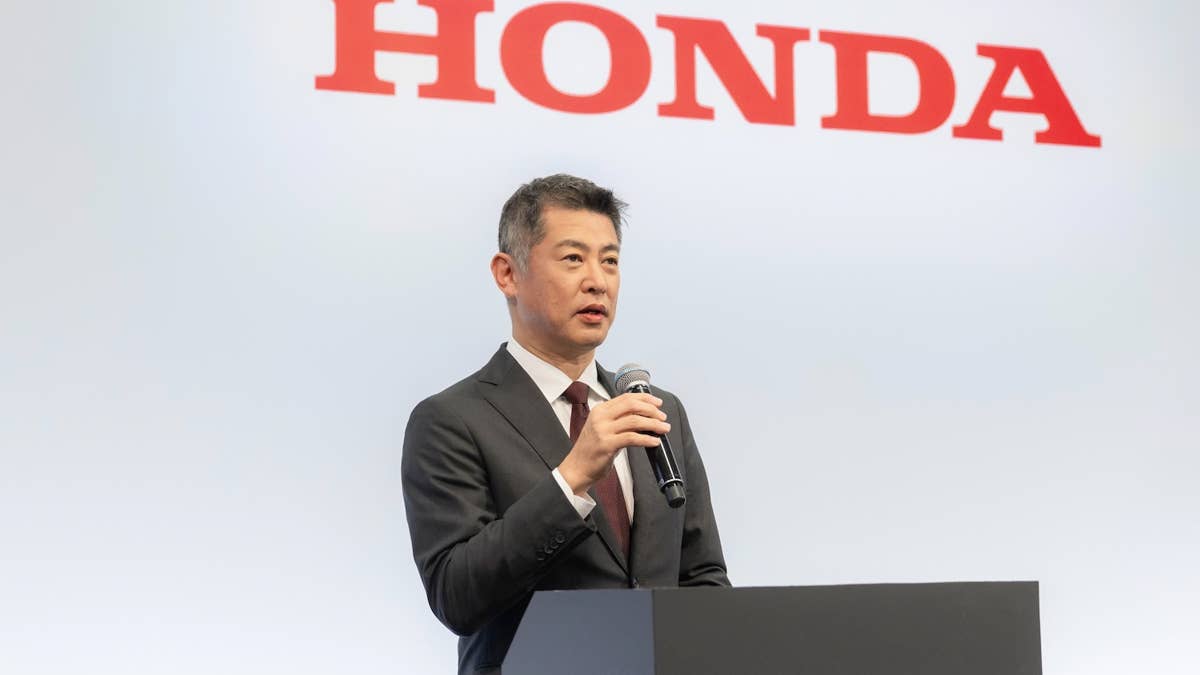
At a business meeting in Japan, Honda announced its plan for the next few years. As one of Honda’s most profitable markets, North America is at the heart of this reset. That said, Honda is now shaping its future lineup around what people are actually buying. That means hybrids take priority over a full-speed EV rollout.
For Honda, the goal by the end of fiscal 2029 is to return to a record-high operating profit of over 1.4 trillion yen, or around $8.9 billion at today’s exchange rates.
Honda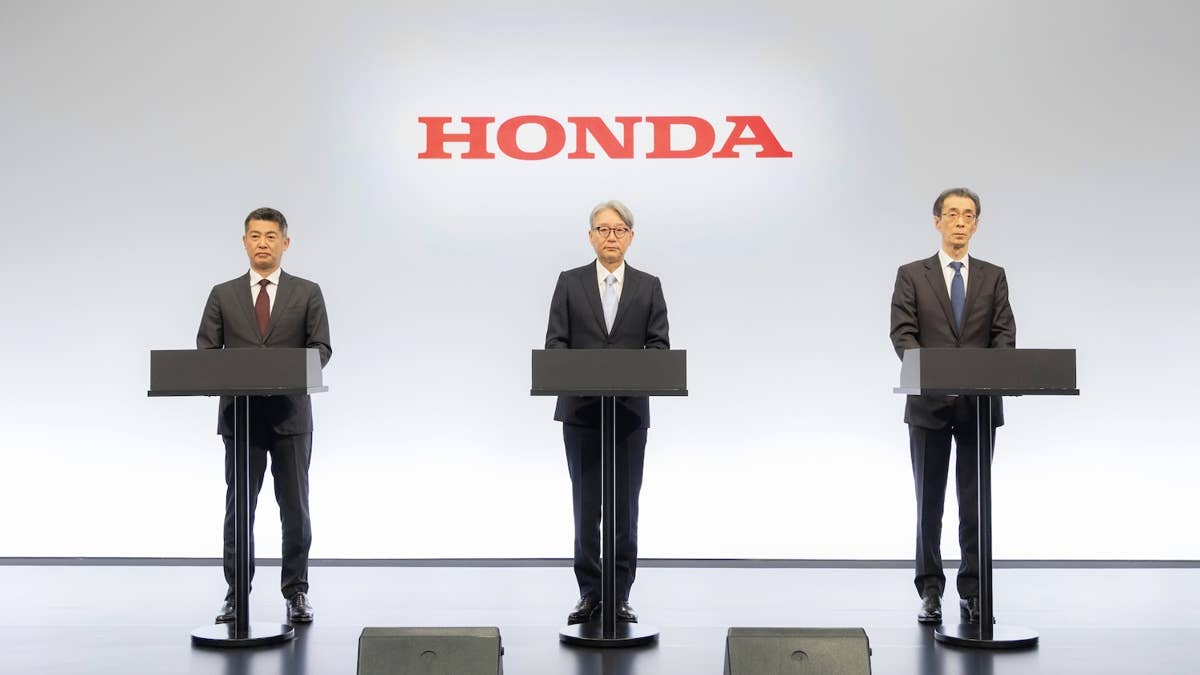
North America is the Priority for Honda’s Hybrid Push
The biggest shift is Honda’s pivot to hybrids, especially for North America. Development and production resources are being redirected right away, with a new wave of next-gen hybrids set to arrive starting in 2027.
By 2029, Honda will roll out 15 new hybrid models globally, most of which are headed to North America. More importantly, bigger D-segment hybrids are coming, which means midsize hybrid SUVs and possibly large, family-focused crossovers aimed at American buyers.
Honda also previewed two upcoming products: the Honda Hybrid Sedan Prototype (probably the next Civic Hybrid) and the Acura Hybrid SUV Prototype (the RDX Hybrid). Both are expected to arrive within the next two years and will introduce the brand’s next-generation hybrid system.
Honda says the new hybrid system will cut costs by more than 30% and boost fuel economy by over 10% compared to current models. The new platform and electric AWD are also supposed to sharpen driving feel – something Honda has always been known for.
Honda’s manufacturing is shifting as well. All North American plants will eventually be set up to build hybrids, and the Ohio plant will use its extra capacity for both hybrid and gas-powered models. Even the US battery partnership with LG Energy Solution is being reworked to support hybrids, not just EVs.
Honda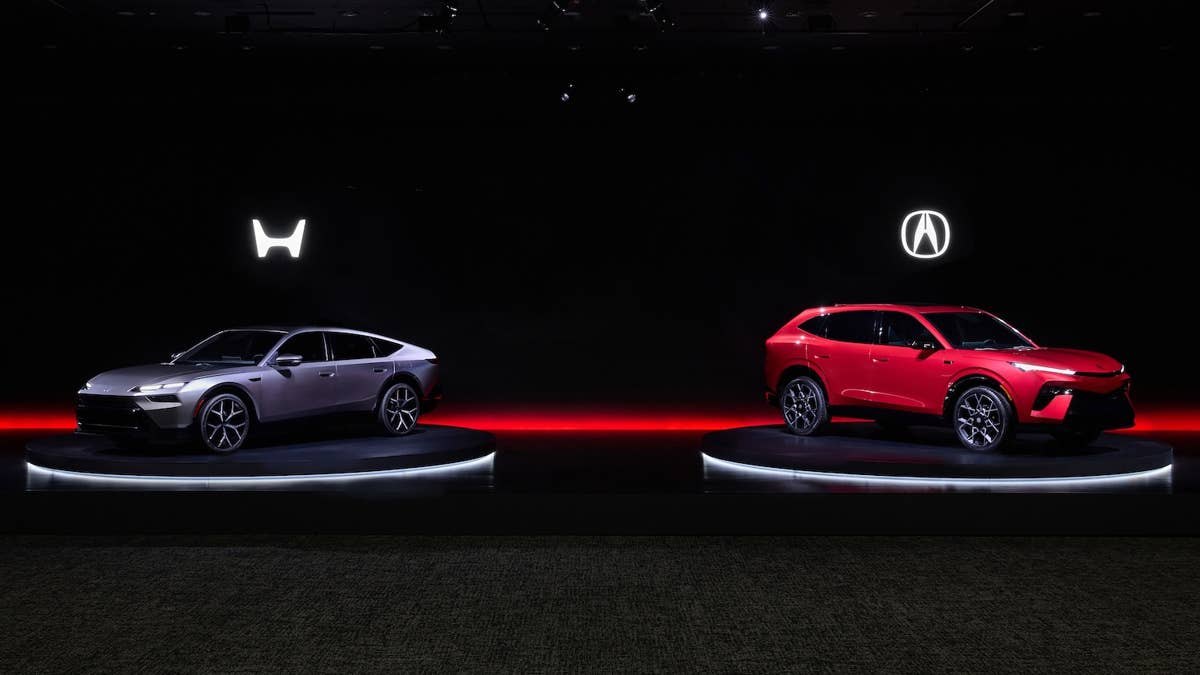
Trying to Stabilize Finances
Honda is also moving resources to Japan, India, and China as part of its recovery plan. In Japan, the focus is on expanding the EV lineup with kei cars like the N-BOX EV, due in 2028. Future models, starting with the next Vezel (HR-V), will get updated hybrid systems and new driver-assist tech. Honda also wants to boost profits with higher-margin trims like Sport Line and Trail Line.
In China, Honda plans to cut costs and speed things up by using more local parts, regional tech, and partner-developed platforms.
On the financial side, Honda’s next three years are all about rebuilding the car business before trying to grow again later on. The plan is to cut back significantly on EV spending and allocate more money to hybrids, combustion engines, and software.
This is a clear shift from Honda’s earlier all-in EV strategy. Instead of going all-out on electric right away, Honda is now balancing hybrids, gas engines, and new software while waiting for EV demand to settle. For North America, that’s probably a better match for what most buyers want right now.
Honda