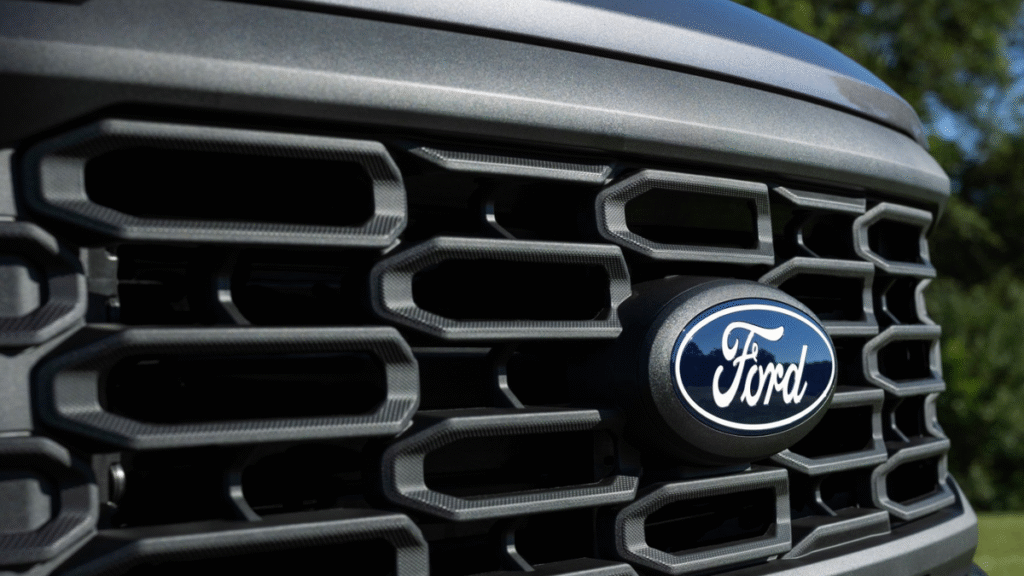
Ford’s New Power Play
In 2025, Ford said it took a $19.5 billion hit tied to its electric vehicle business. That was behind Stellantis’ $26.2 billion hit, but still large enough to force a major strategy rethink, including the shift from an all-electric F-150 Lightning to a range-extender version. But instead of doubling down on EV models amid uncertain market conditions, the Blue Oval introduced Ford Energy, a wholly owned subsidiary aimed at developing battery energy storage systems (BESS).
In a press release, Ford said Ford Energy will provide BESS for utilities, data centers, and large industrial and commercial customers in the United States. The systems will be assembled domestically in Glendale, Kentucky, at a site originally intended for EV battery production. That appears to align with current market and political realities, as federal policy has moved away from EV incentives and tougher emissions rules.
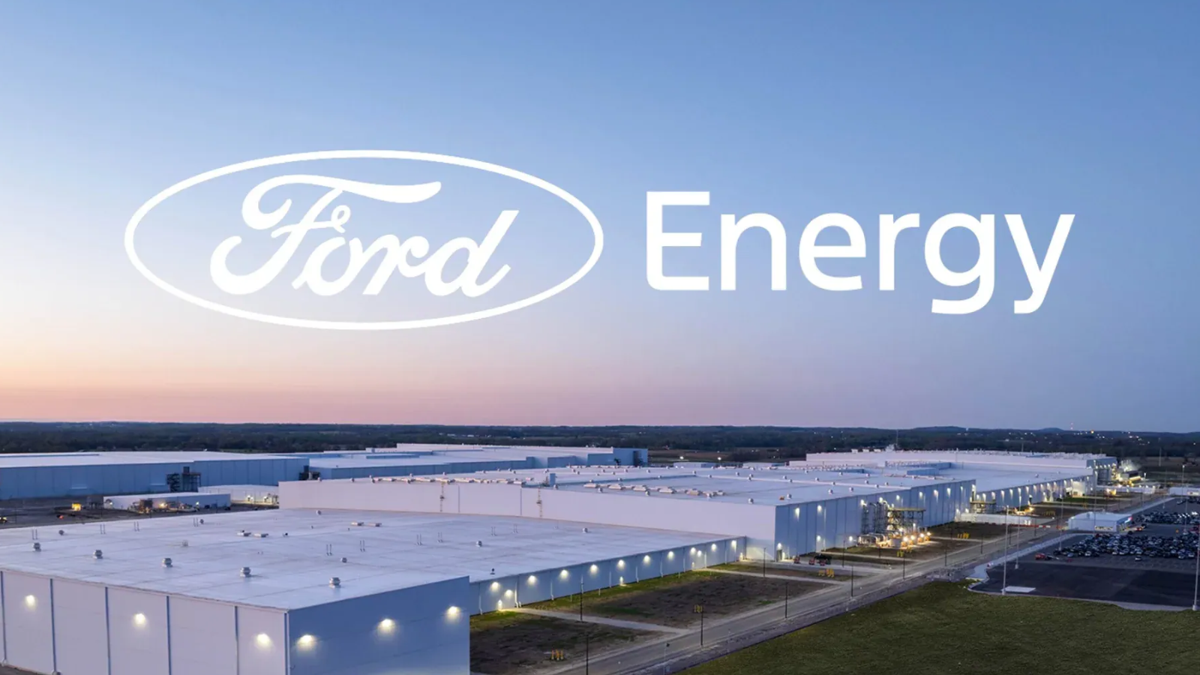
Not Your Typical Battery Pack
The subsidiary’s flagship product will be the Ford Energy DC Block, a standardized 20-foot containerized battery energy storage system built around 512 Ah LFP prismatic cells. It will be available in two configurations, the FE-250 (two-hour system) and the FE-450 (a four-hour system).
The Ford Energy DC Block is touted to offer “predictable lifetime performance, ease of service, and thermal stability.”
Ford Energy will also produce electrode coils, assemble modules and containers, and provide sales and service support. Customer deliveries are scheduled to begin in 2027, with the company targeting 20 GWh of annual deployments.
The EV Fight Continues
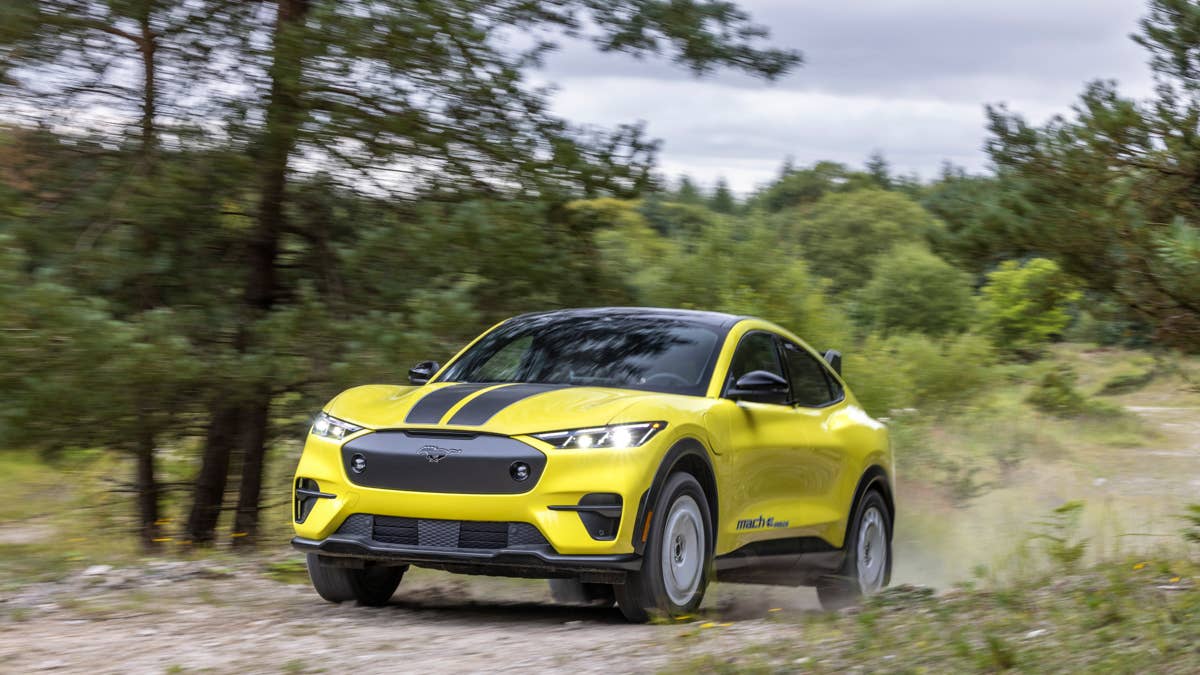
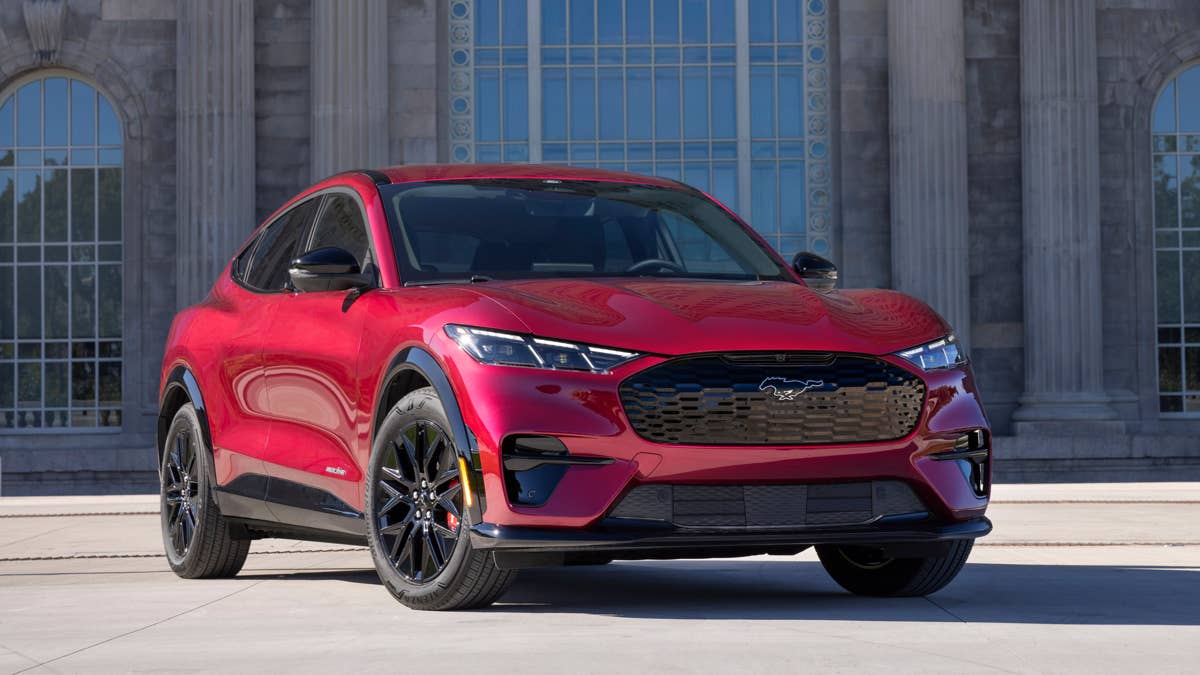
Despite the shift to BESS production and the broader EV slowdown, Ford will continue competing in the EV market. It still sells the Mustang Mach-E, which serves as an alternative to the Tesla Model Y and Hyundai Ioniq 5. A plan to introduce lower-cost EV models is also underway, with pricing expected to start at around $30,000. That could be a fitting response to the rise of affordable Chinese EVs, which may not be sold in the U.S. but continue to pressure automakers to adapt globally.
How these strategic shifts will play out remains to be seen, though Ford is clearly investing in them. The company has committed $2 billion to retool the Kentucky plant for its BESS venture, while roughly $5 billion has been allocated for the Louisville Assembly Plant and BlueOval Battery Park Michigan to support new low-cost EVs and advanced prismatic LFP batteries.