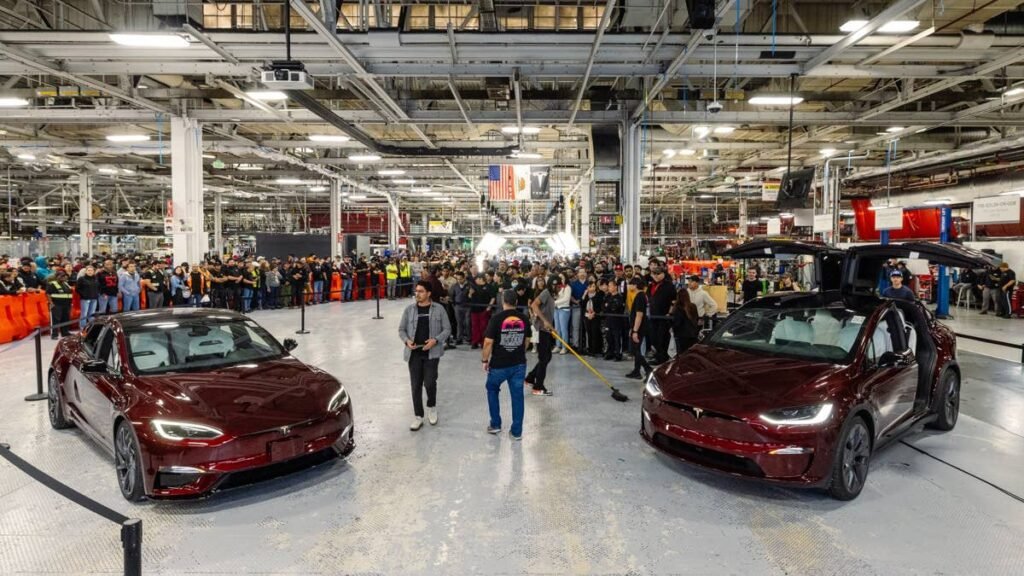
Tesla has officially stopped production of the Model S sedan and Model X SUV, ending a great run for two of the most important EVs ever made. Before the cheaper Model 3 and Model Y arrived, the larger EVs set new standards for range and performance in the electric car segment. Crucially, they also served as major image builders for EVs at a time when they were still viewed as severely compromised and/or too alien in their design. Tesla shared the news on social media, complete with a picture of the final models built at its factory in Fremont. Here’s a look back at both vehicles.
Related: Tesla Marks Final Model S and X Run With $159K Signature Editions
Model S History
The last Model S & the last Model X have been produced at Fremont Factory
14 years of history for Model S, 11 years for Model X
— Tesla (@Tesla) May 10, 2026
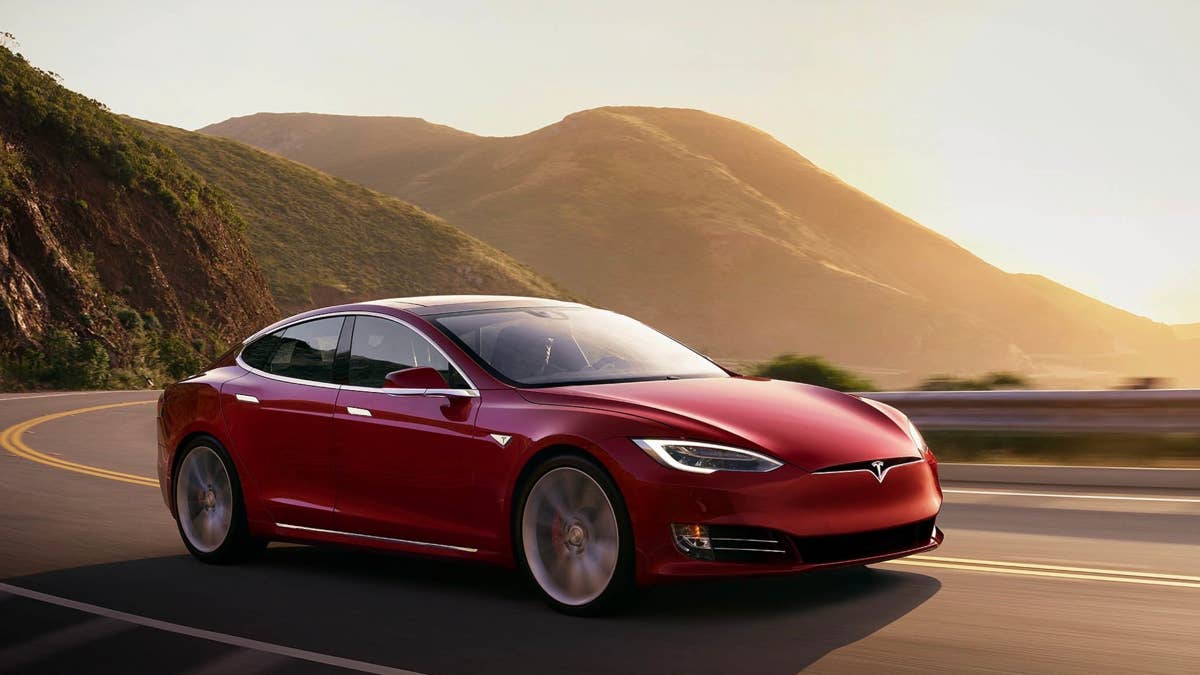
The Model S sedan first went into production in 2012. Back then, you could buy a base model for approximately $60,000, and the version with a larger battery pack had 265 miles of range on a full charge, an excellent figure for the time. A Performance model with over 400 horsepower was particularly potent, but these early models all impressed with their eerily quiet interiors and a touchscreen-dominated dashboard that felt sent from the future; initial reviews of the sedan were glowing. Tesla also developed its own Supercharging network, making it more convenient to recharge its cars than was the case for other EVs.
Tesla
The sedan was enhanced throughout its lifetime. Autopilot arrived in 2014, the motors became more powerful and efficient, and there was more than one major styling update. The range of the sedan improved dramatically, with the 2026 model capable of 410 miles on a full charge. The Model S Plaid shocked the world with over 1,000 hp and a 0-60 time of 1.99 seconds under ideal conditions.
Sales may have dried up over the last few years, but the Model S may just go down as the most influential electric car ever.
Related: How The Model S Turned Tesla Into A Wake Up Call For The Industry
Model X History
Tesla
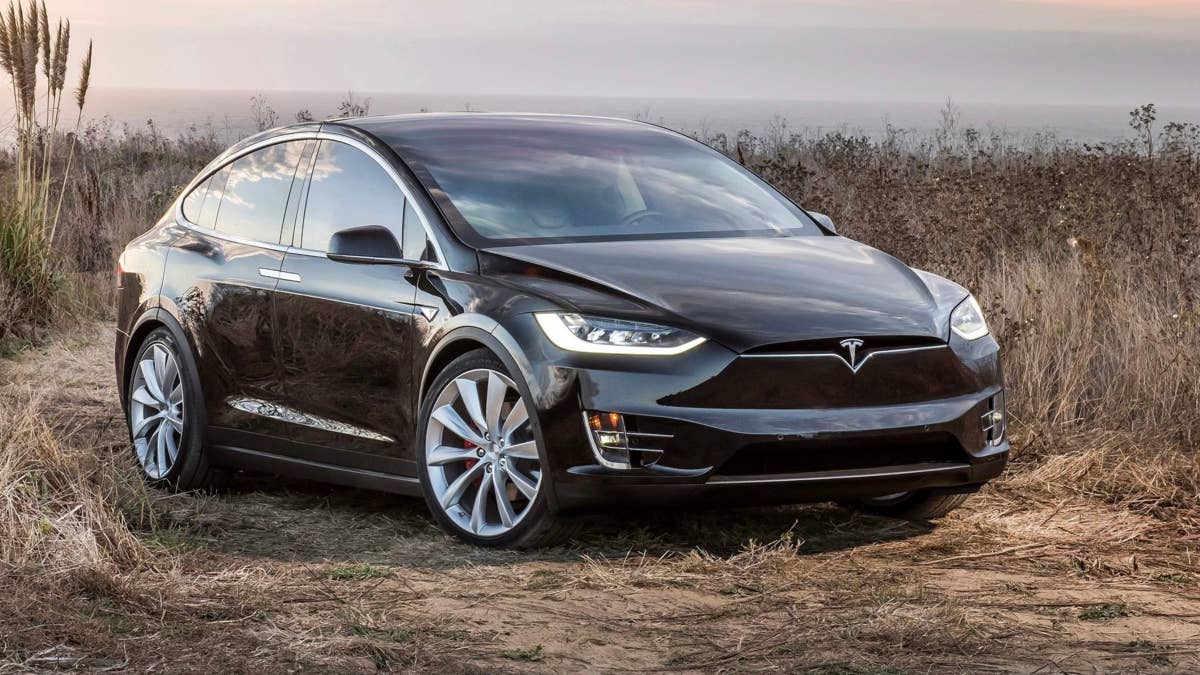
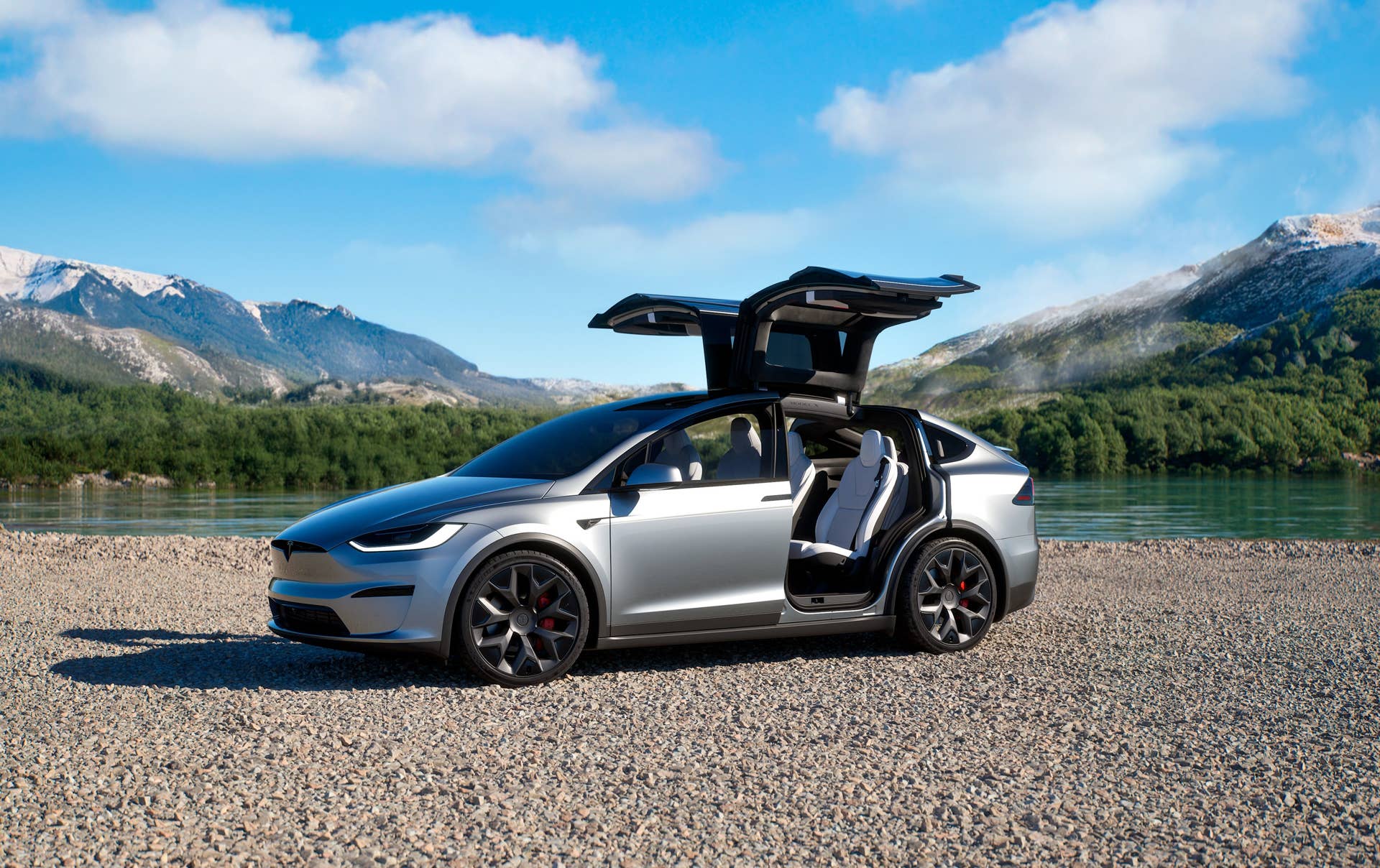
As great as the Model S was, no automaker in the 2010s could hope to achieve domination without an SUV. The Model X arrived in 2015 as a three-row crossover, sharing around 30% of its components with the Model S. It’s a heavier, larger vehicle than the sedan, but far more practical since up to seven occupants could be accommodated. It also came with the distinctive Falcon Wing rear doors that opened upwards, just one of many features that positioned Tesla as an innovative tech giant.
The heavier body and poorer aerodynamics of an SUV body limited the early Model X to a maximum range of 289 miles, as per the EPA, but this was still a brilliant result for a large electric SUV. No other automaker sold anything that rivaled the Model X’s blend of practicality, performance, and range.
Tesla
Like the Model S, Tesla steadily improved the Model X through the years, culminating in the heroic Plaid variant that could get to 60 in 2.5 seconds—it remains one of the quickest SUVs on the planet. The range increased to 352 miles for 2026, and it also features the available Full Self-Driving suite that allows for hands-free point-to-point driving.
The first time anyone saw the original Model X parked with its back doors high up in the sky is hard to forget. It symbolized that, right at that moment, the sky was the limit for the automaker.
Final Thoughts
Tesla
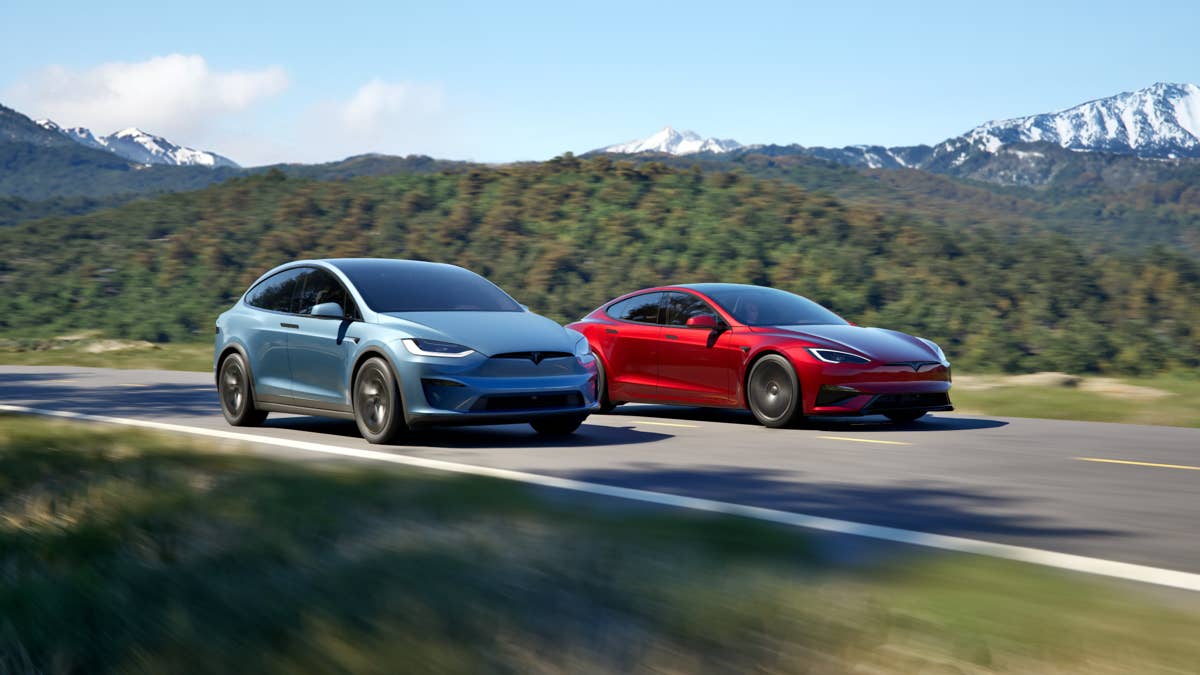
No replacements have been announced for the Model S and X as Tesla shifts focus to its robotics business. That leaves rivals like Lucid, Rivian, and Cadillac to dominate in the high-end EV segment. The legacy of the Model S and X is firmly intact, though. Around 750,000 combined units of these top Teslas have been sold, and they were pivotal in establishing EVs as a viable alternative to gas and hybrid cars.