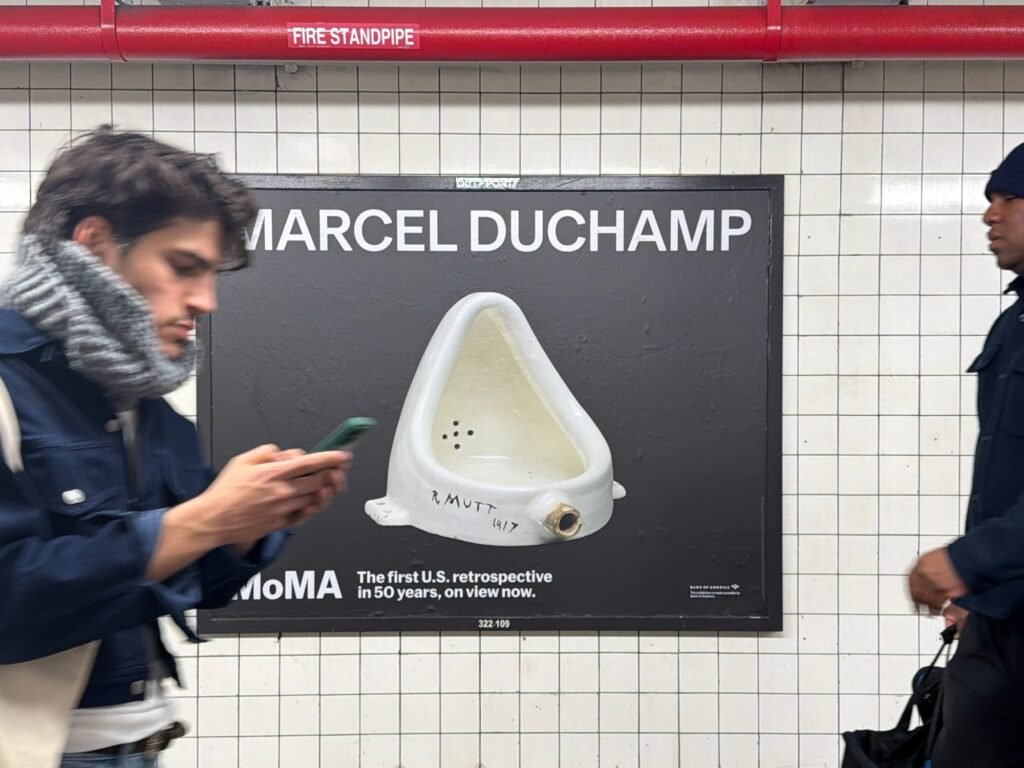
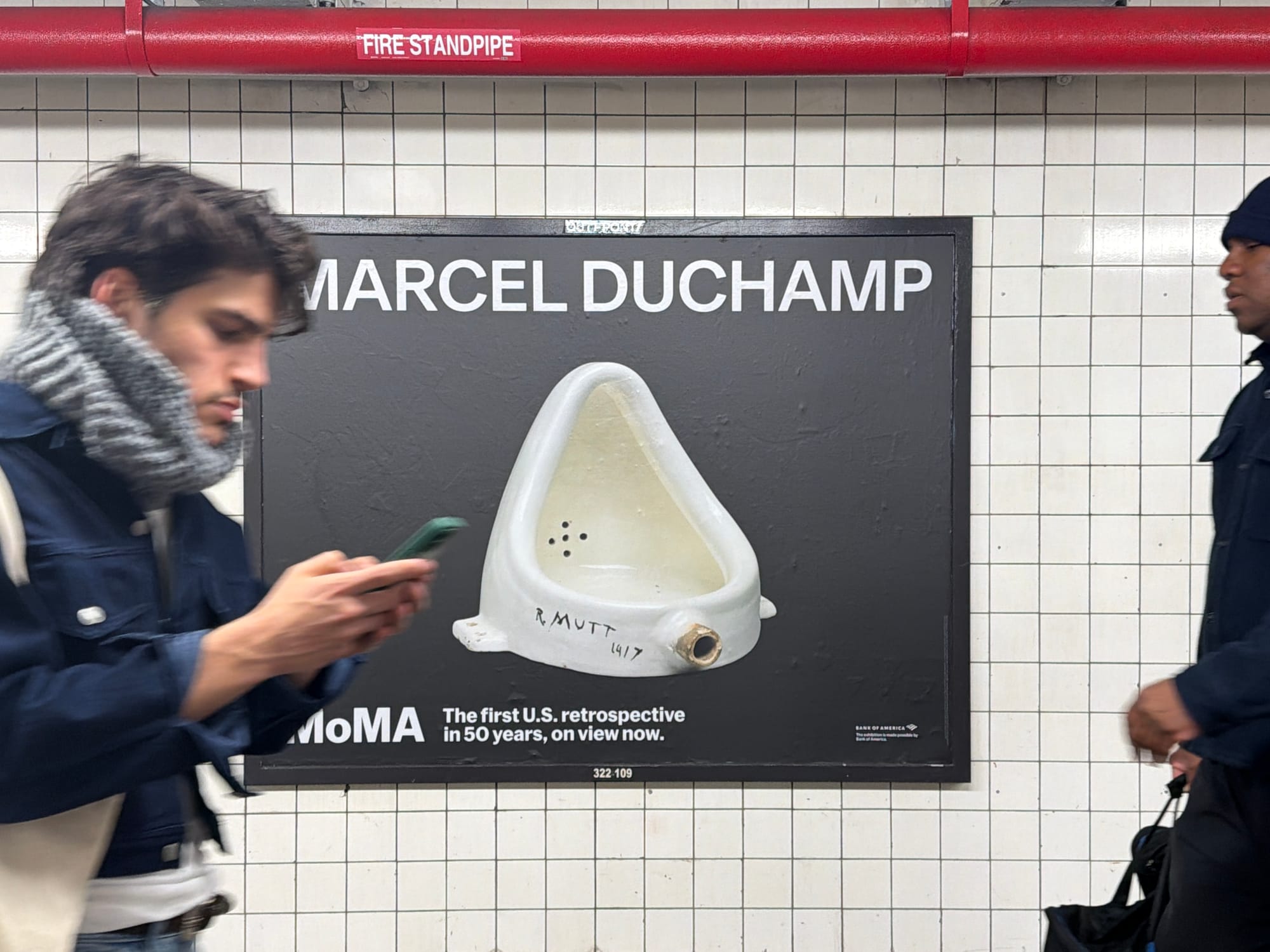
In 1917, Marcel Duchamp turned a urinal on its head and called it art. With that, he earned his place in the canon as the great usurper of artistic norms, the enemy of yesteryear’s tastemakers, the banisher of everything that came before him, and the godfather of art provocateurs.
What is art? After Duchamp, the answer became: It’s whatever you want it to be.
A century later, we’ve kissed our attention spans goodbye, welcomed microplastics into our bloodstreams, and surrendered authorship over almost everything to AI — from cake recipes to war target lists. The line between god-made and readymade barely exists anymore. The author today is not just “dead,” but dead on arrival.
With the first Duchamp retrospective since 1973 at the Museum of Modern Art (MoMA) in New York, a question arises: What does it mean to look at a “readymade” in 2026?
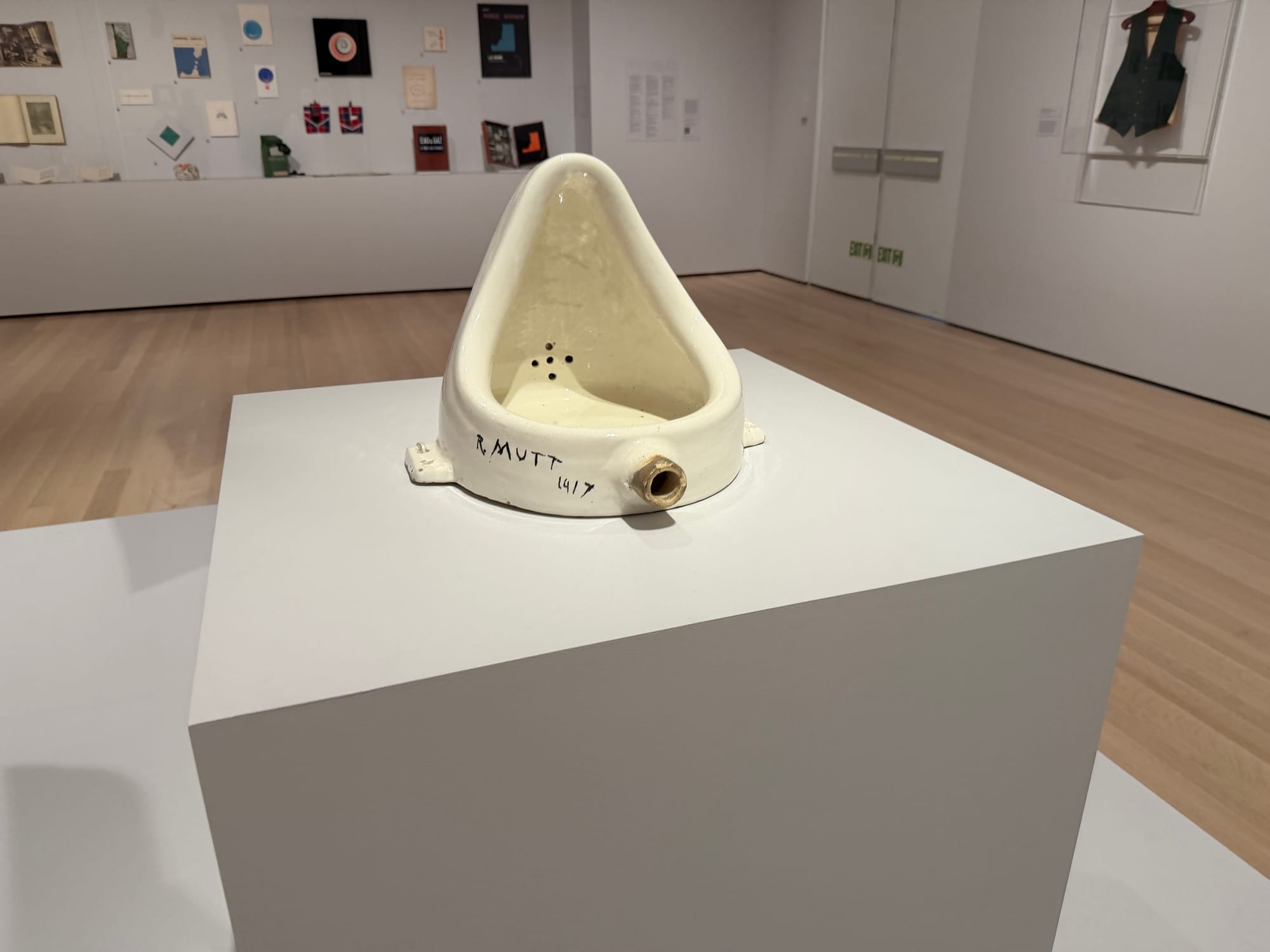
Featuring around 300 works from the Dadaist master’s six-decade career, the expansive exhibition was co-curated by MoMA’s Ann Temkin and Michelle Kuo along with Matthew Affron from the Philadelphia Museum of Art, where it will travel next. The latter institution has the world’s largest collection of Duchamp works, in large part thanks to a 1950 bequest by steel heir and poet Walter Conrad Arensberg.
Walking among the French-American artist’s found urinals, bicycle wheels, snow shovels, and hat racks, I felt suddenly awash with mellow nostalgia.
I noticed myself longing for those simpler times when “eliminating the artist’s hand” from art-making — what some have called “deskilling” or “de-arting” — was supposed to provide a pathway back to the true self. Back then, freedom was the end and art was the means. Calling a urinal art was another way to break the chains of society.
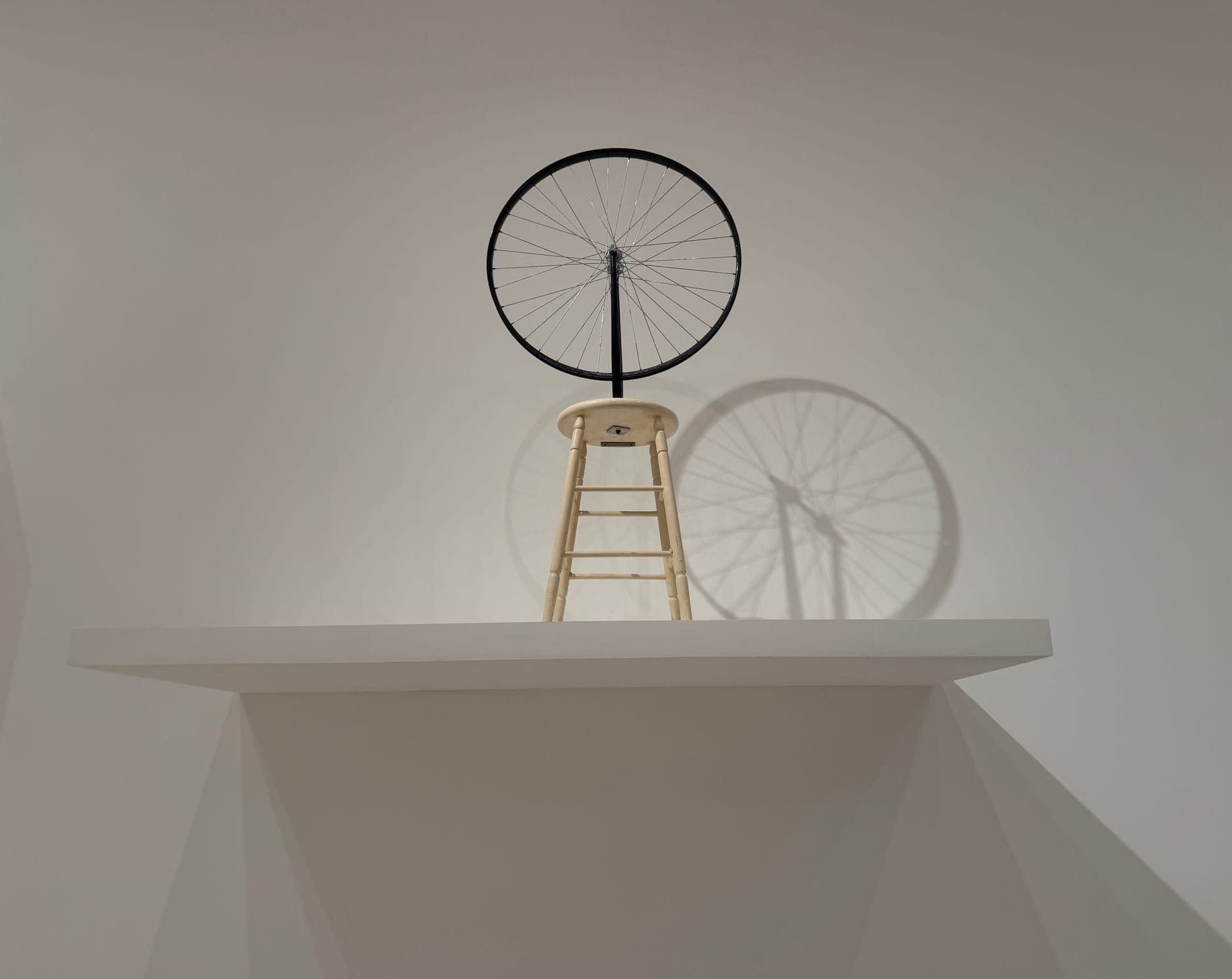
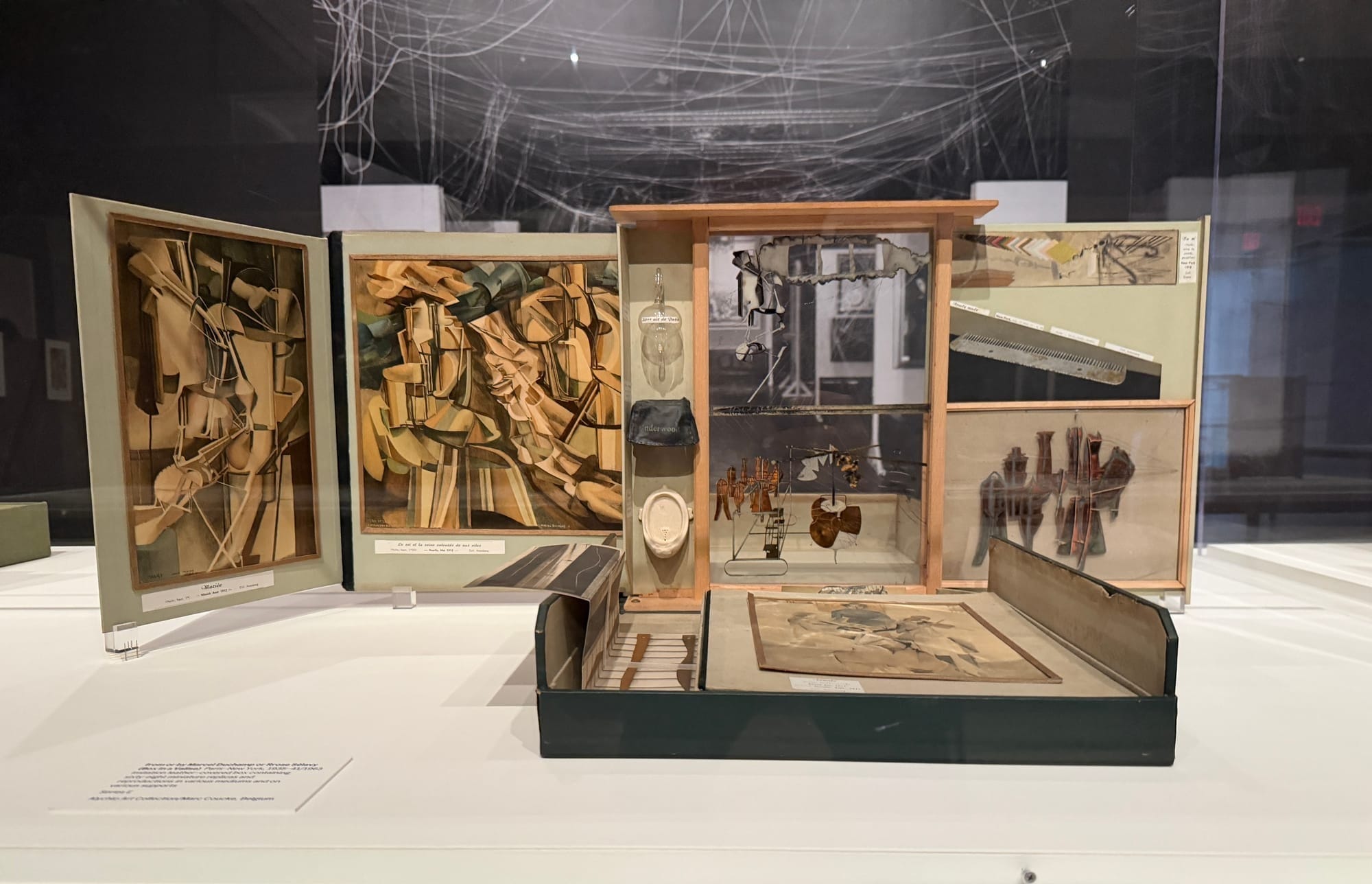
These days, however, relinquishing authorship means entering a hellscape of technological surveillance, unemployment, lack of agency and empathy, and environmental harm. We so dearly want to be freed from the constraints of being but find ourselves enslaved by the very tools that were meant to liberate us. (Head out to the reopened New Museum on the Lower East Side if you’re in the mood for “posthuman” art. Personally, I’m still stuck in the “human” stage of my development.)
The MoMA show’s biggest surprise and gift lies not in Duchamp’s groundbreaking readymades, which may feel quaint in 2026, but in his very much handmade oil-on-canvas paintings. Organized chronologically, the exhibition begins with a generous number of them, so many that I began to wonder if I was in the right place. “Nude Descending a Staircase, No. 2” (1912), which ruffled feathers at the Armory Show in New York the year after, pulled me in right away. It delivers what its title promises, except that the nude female figure is splintered beyond recognition, as if her movement was captured frame by frame by a slow-exposure camera. It is a living, breathing painting that still vibrates with energy more than a century after it was made. Standing before it was an unforgettable experience.
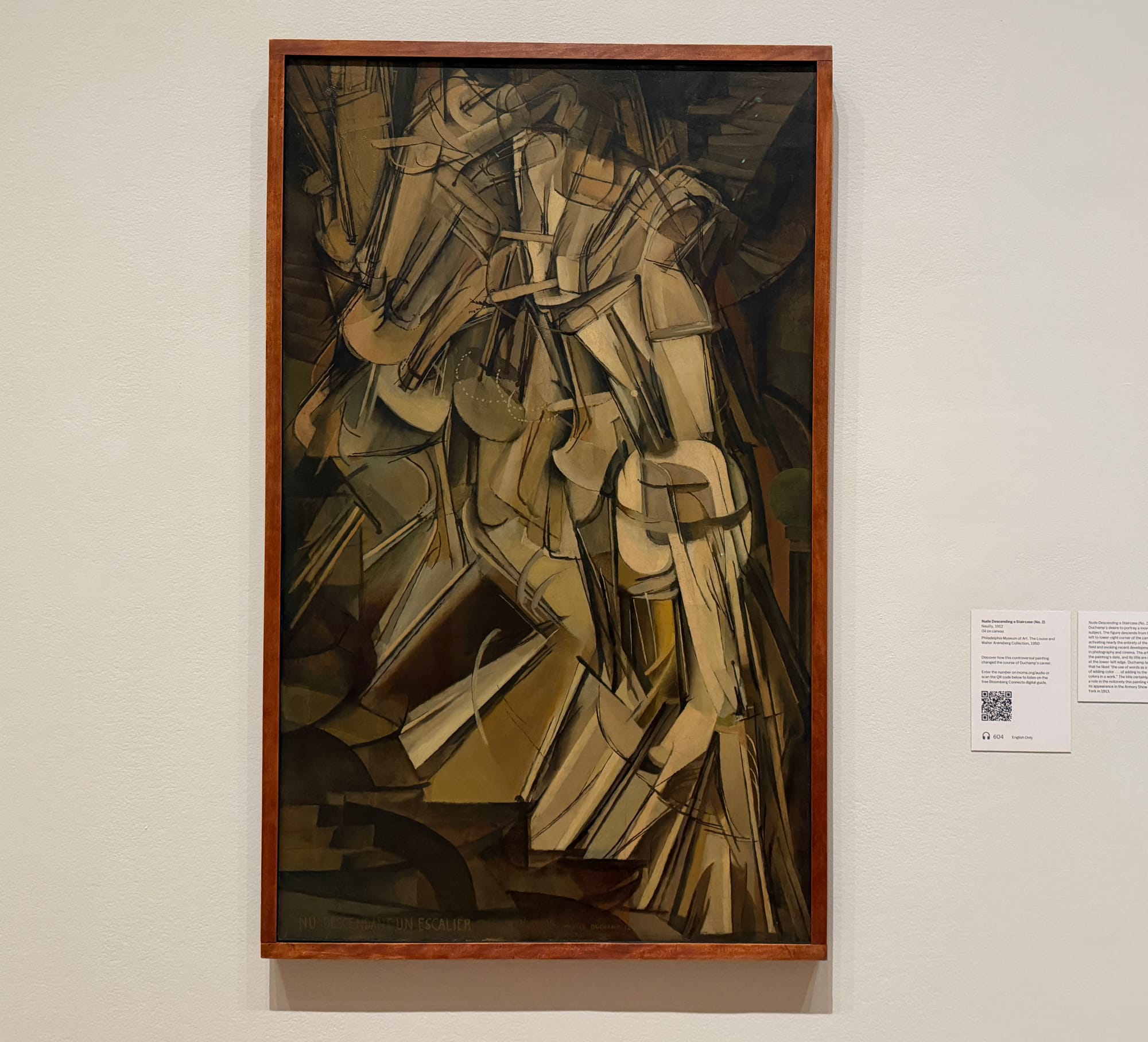
Like history itself, the figure never stops moving. She barrels through two world wars, the splitting of the atom, the hippies and beatniks; jazz, punk, and the blues; the fall of the Berlin Wall; the advent of the personal computer; the internet, and ultimately, AI.
She will move within you, too, if you still consider yourself human.
Marcel Duchamp continues at the Museum of Modern Art (11 West 53 Street, Manhattan) through August 22. The exhibition was curated by Ann Temkin, Michelle Kuo, and Matthew Affron with Alexandra “Lo” Drexelius, Helena Klevorn, Danielle Cooke, and Julia Vázquez.