China spent the better part of a decade making the internal combustion engine look obsolete. Government subsidies, aggressive production targets, and a homegrown battery supply chain turned the country into the world’s dominant EV force. China now commands roughly 70 percent of the global EV battery market. So, it’s more than a little surprising that two of its biggest automakers, Geely and Chery, are pouring serious money into making the gasoline engine smarter, cleaner, and more competitive than it has ever been. Both companies are betting that the internal combustion engine still has a decade or more of relevance left in global markets, and they want to own that space before anyone else does.
Autoblog / Leroy Marion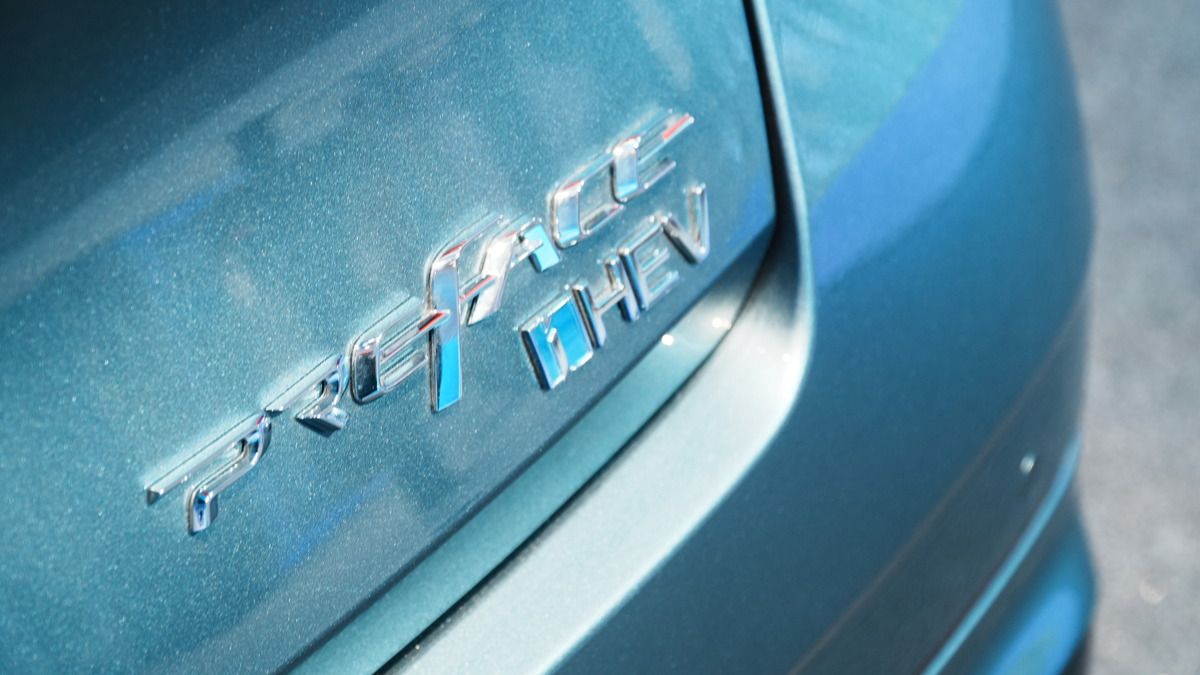
The Efficiency Race Nobody Expected
The numbers coming out of both companies right now are genuinely hard to believe. Geely recently achieved 48.41 percent thermal efficiency with its new i-HEV hybrid system, a figure independently verified by Guinness World Records, alongside a claimed fuel economy of 106 miles per gallon. For context, Toyota‘s latest Prius, considered one of the most efficient engines in the world, manages a theoretical 44 percent. Four percentage points may not sound dramatic, but in thermal efficiency terms, that gap is enormous.
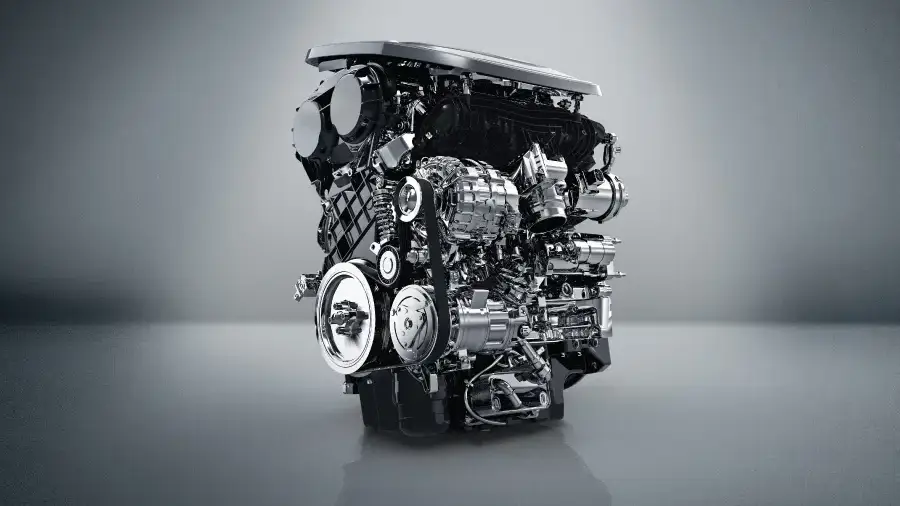
Chery is right behind them. Its latest Kunpeng Tianqing engine achieves a claimed peak thermal efficiency of 48.57 percent, reached through a proprietary technology it calls “Dual-Curve Triple Linkage,” making it the highest recorded figure for a mass-produced internal combustion engine in publicly available data. Chery has gone further than just raw efficiency numbers, though. The company is actively arguing that gasoline vehicles need to stop being dumb. Using its Mars StarCore MIND integrated architecture, Chery has worked to bridge the perception, decision-making, and execution capabilities of fuel-powered vehicles, essentially giving ICE cars the kind of intelligence that was previously exclusive to EVs.
Autoblog / Leroy Marion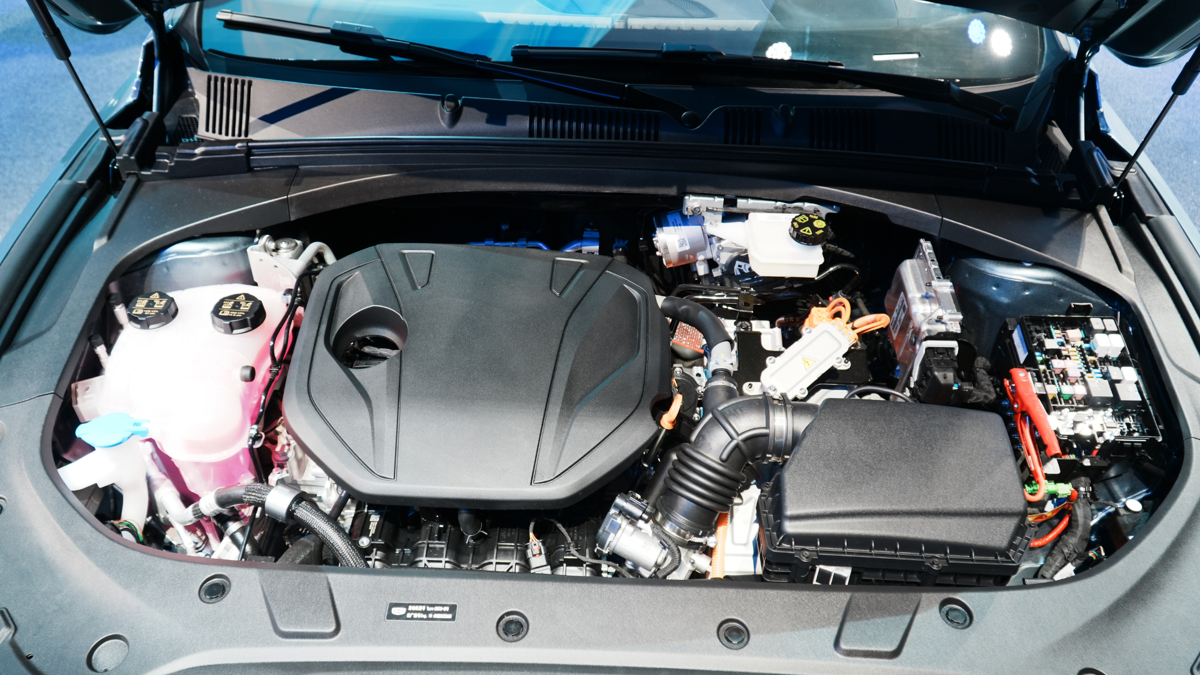
What This Means for the Rest of the World
The timing of this ICE resurgence is not accidental. As EV penetration in China’s domestic market surpasses 50 percent, global data tells a different story: most of the world still drives on gasoline. Chinese automakers are building for that reality. Exports have become a lifeline for many Chinese brands as brutal domestic competition cuts margins at home. Highly efficient hybrids are a smarter export product than pure EVs in many markets.
The US remains largely walled off. But that does not mean US consumers are insulated from what is happening. Geely has confirmed that its Zeekr and Lynk and Co brands could enter the US within the next three years, potentially produced at the Volvo factory in South Carolina, which is currently undergoing a $1.3 billion expansion. Meanwhile, Chinese automakers have rerouted strategies through local manufacturing in Europe and emerging markets.
Lynk &; Co.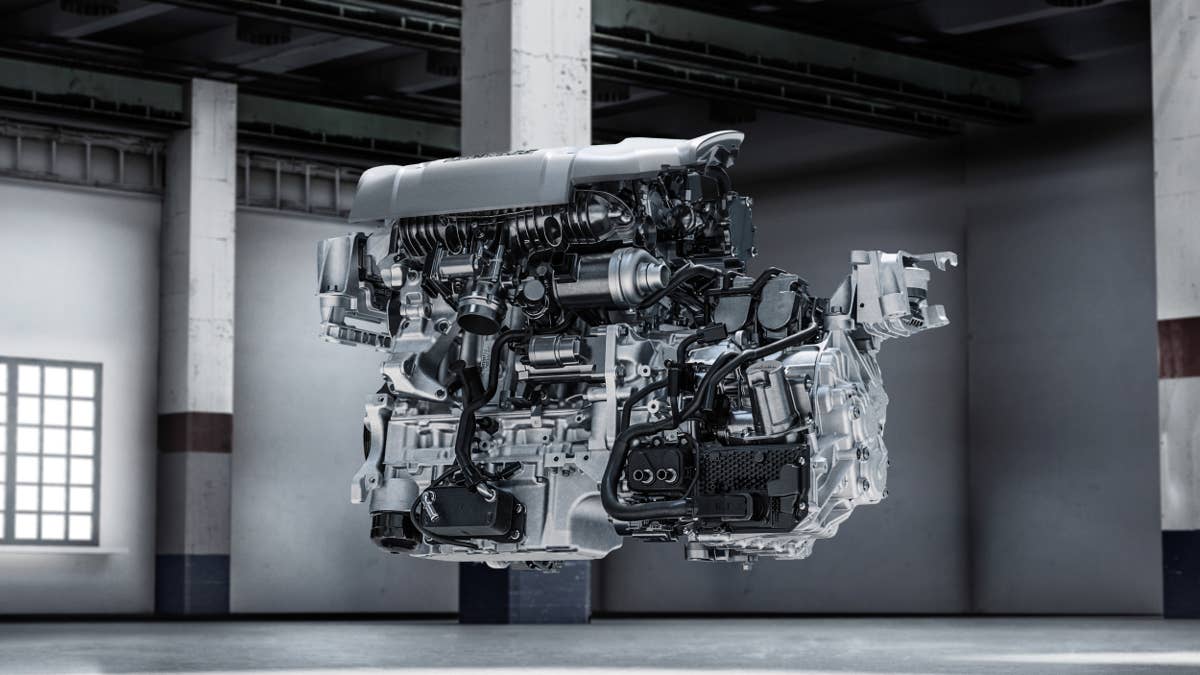
The deeper point is this: China did not abandon its EV ambitions. It is running both tracks simultaneously, pushing EVs abroad while quietly perfecting the combustion engine for the markets that are not ready to let it go. That dual strategy, backed by R&D firepower that Western manufacturers are struggling to match, is what makes the current moment genuinely significant. The internal combustion engine may not be coming back, but it isn’t finished either. China is just making sure it has a say in how the final chapter gets written.