Built on Innovation
Saab was one of the most innovative automakers that didn’t survive to the present day. While the Swedish marque is often remembered for later models like the 9-3 and 9-5, it also helped pioneer the practical use of turbocharging in everyday cars.
There were likely other projects that never made headlines, including one in which Saab developed a unique V8 engine. According to a report from The Autopian, General Motors shelved that powertrain in favor of its own V6 engine. It is unclear whether the scrapped V8 would have made Saab more appealing, especially since it was reportedly intended for the U.S. market, but it is still worth revisiting today, given that the brand was best known for inline-four engines.
The Twin-Four Experiment
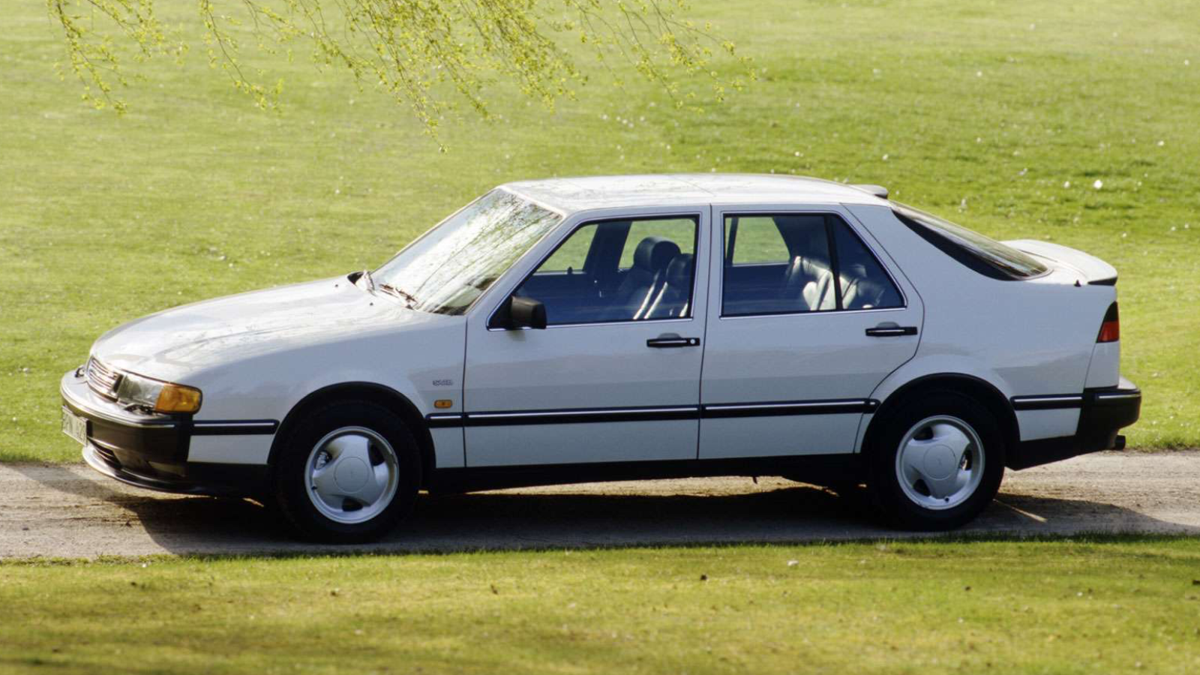
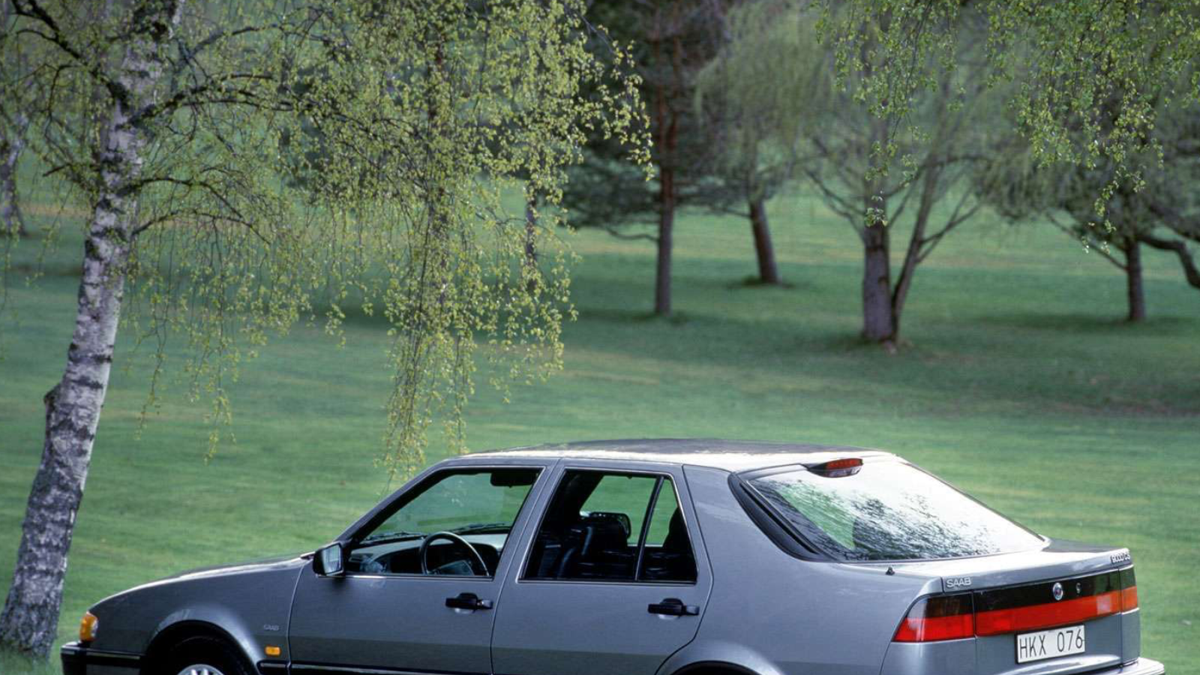
The V8 project was intended for the Saab 9000 midsize luxury sedan in the 1980s, when the model was designed to help the brand gain traction in the U.S. market. The engine was created by joining two Saab inline-four engines into a single 4.0-liter V8 with a 90-degree layout dubbed “Twin Four.” No turbochargers were fitted due to packaging limitations, but output was reportedly around 230 horsepower, which was said to be enough for the chassis.
General Motors stepped in in 1989, acquiring a 50% stake in Saab to form Saab Automobile AB. But instead of funding Saab’s V8 development, which was backed by 65,000 km (40,389 miles) of testing for the prototype car, GM chose to use its own powertrain. The 9000 received a 3.0-liter GM V6 for the 1995 model year, before the nameplate was succeeded by the 9-5 in 1997, though production ran until 1998.
Saab
The Turning Point
GM took full control of Saab in 2000, but the company was hit hard by the 2008 financial crisis, forcing it to cut underperforming brands – a move that also led to the demise of Pontiac and Saturn. Saab was sold to Spyker Cars in 2010, but its attempted rescue later collapsed after GM blocked a deal with Chinese investors over concerns about its technology being shared with Chinese companies.
The report stated that only five complete engines were built, with the sole Saab 9000 V8 prototype residing in the Uusikaupunki factory museum in Finland. It remains in running condition, but that is likely as far as the engine will ever go.
Saab