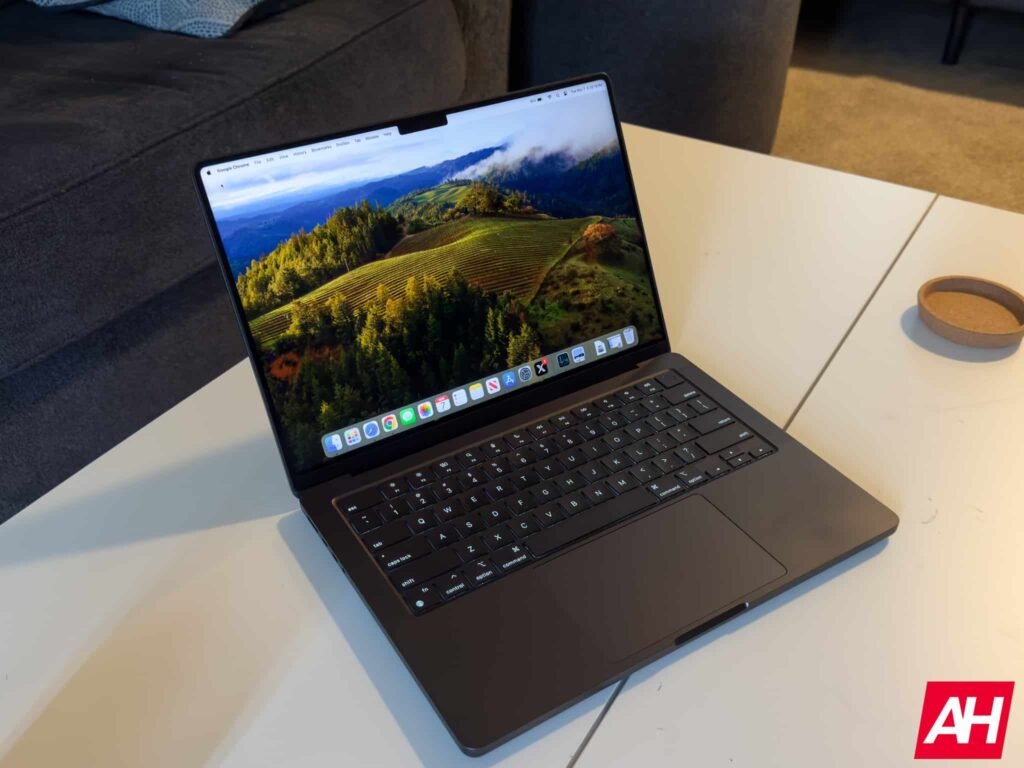

Are you eager for a MacBook Pro with touchscreen and OLED technology? Well, you might need to wait a few months longer. According to Bloomberg’s Mark Gurman, Apple could delay the M6-powered MacBook Pro with an OLED display to 2007 due to a global shortage of memory components.
MacBook Pro with OLED display & touchscreen delay: memory crisis hits Cupertino
Not even Apple is safe from the effects of the current crisis involving RAM and SSD storage. This shortage has already pushed other industry leaders to adjust their pricing. Now, it seems that it will also impact the next-generation MacBook Pro.
Originally, insiders expected the major redesign to debut in late 2026, likely during an October or November event. However, Gurman now suggests the launch has drifted toward the early part of 2027. This supply constraint isn’t exclusive to laptops, though. The upcoming Mac Studio update has also reportedly been pushed back for similar reasons.
The potential delay isn’t a result of development hurdles. Apple’s software team is reportedly on track to finalize the necessary adjustments for macOS 27 by this fall. These updates include system-wide support for touchscreen functionality, such as dynamically enlarged buttons and contextual menu controls.
The software will also integrate the Dynamic Island into the Mac interface for the first time. Essentially, the “brain” of the machine will be ready long before the physical components are available to assemble it.
Potential MacBook Ultra moniker
With such expected upgrades—OLED displays, touch capabilities, and the powerful new M6 Pro and M6 Max chips—rumors are swirling about how Apple will position this device.
There is growing discussion about Apple potentially branding this model as a new high-end variant. Some sources speculate about the potential “MacBook Ultra” moniker. Apple could justify a higher price point while keeping existing M5 models on the market with a new, more premium tier above the current MacBook Pro.
The post Apple’s First-Ever MacBook Pro with OLED Display May Land Later Than Expected: Here’s Why appeared first on Android Headlines.