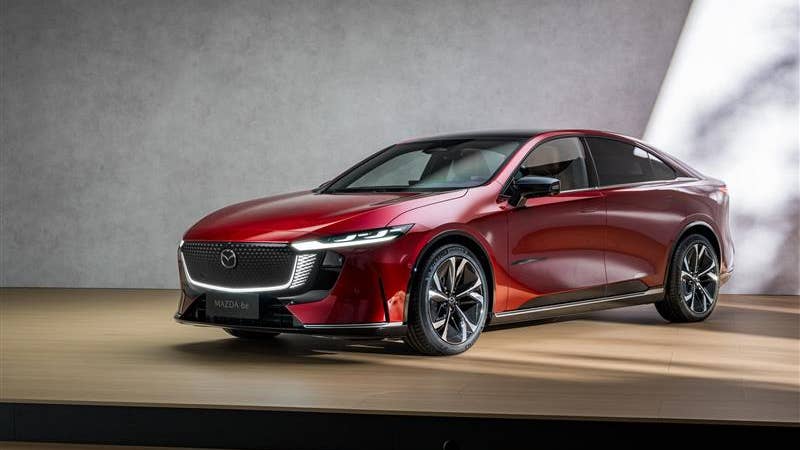
For much of the past decade, Mazda has been the Japanese brand that punched above its weight, offering premium-feeling interiors, driver-focused dynamics, and dependability that kept loyal buyers coming back. Consumer Reports‘ brand reliability rankings consistently place Lexus, Subaru, and Toyota at the top, and seven years back, Mazda was right up there with them, clinching second spot on the list. Fast forward to 2026, and Mazda has seen the biggest drop in the reliability rankings of all carmakers, falling eight spots from the previous years to land at 14, just ahead of Volvo. The worst part is that the reasons are ones Mazda chose for itself.
New Platforms, New Problems
Mazda’s downward slide traces directly to its ambitious hardware pivot. The CX-70 and CX-90 introduced a new engine, transmission, and platform, along with the brand’s first plug-in hybrid models. That is a lot of new engineering and technology hitting the market all at once. Both the conventional and PHEV versions of the CX-70 and CX-90 scored below or well below average for reliability, with the PHEVs continuing to show issues with EV batteries and electric motors. Contrast this with the Mazdas of old, models built on familiar, proven underpinnings with dependable naturally-aspirated engines and torque converter automatics. Cars like the Mazda3 rated above average, and the CX-30 and CX-50 scored average. What Mazda did well, it did by being careful and incremental. When it threw that playbook out, quality suffered.
Kyle Edward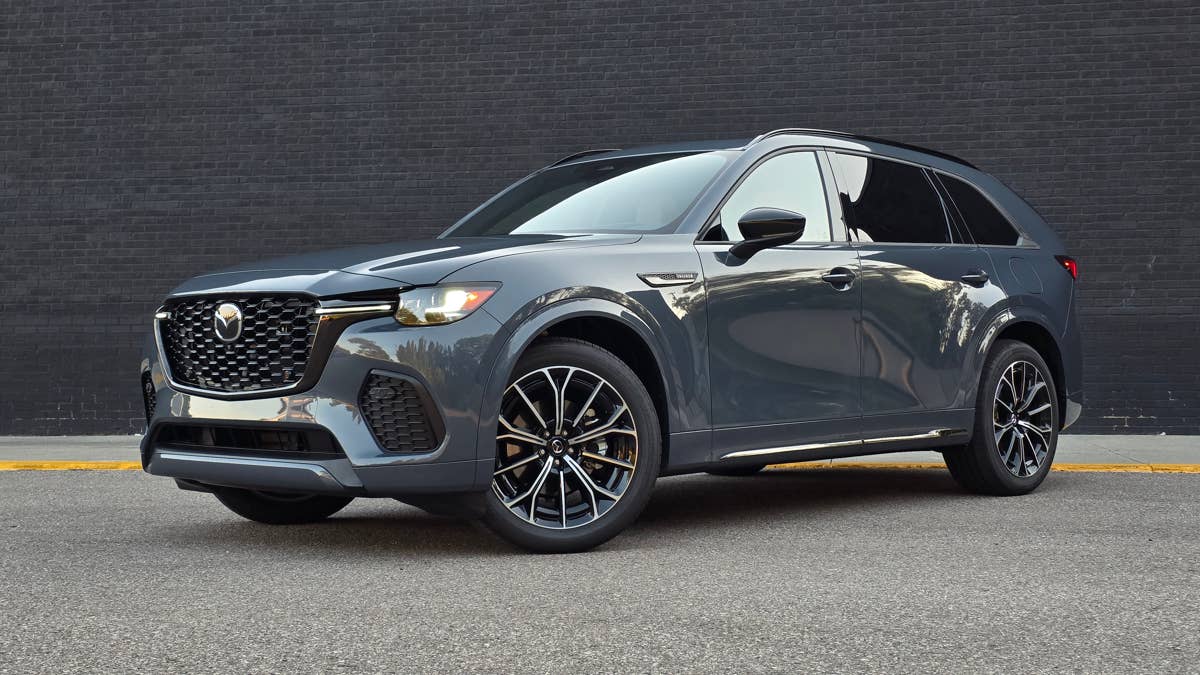
Doubling Down on Screens While Reliability Burns
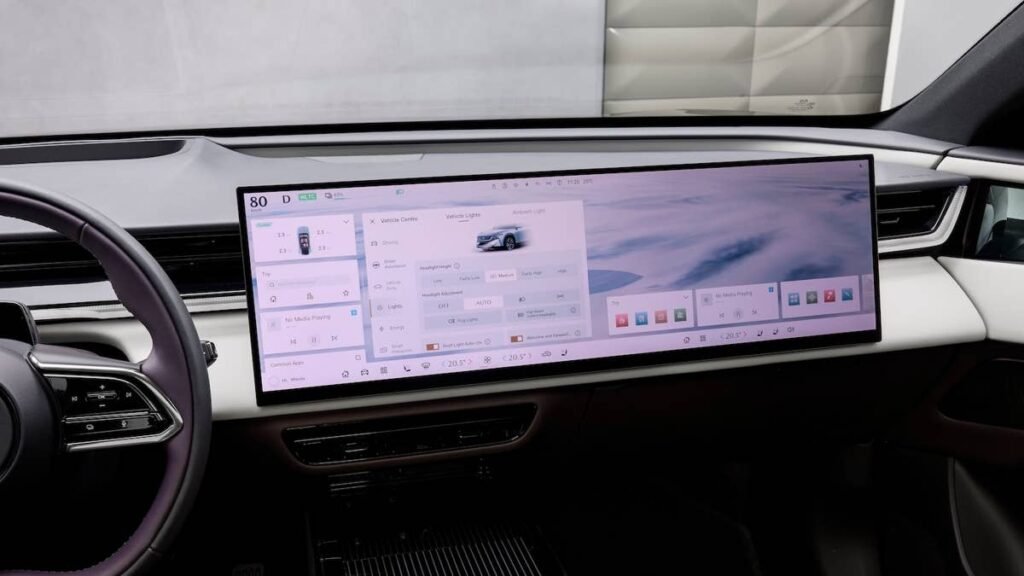
Just as owners were reporting problems with Mazda’s most complex new vehicles, the company’s executives were busy defending that very direction. Mazda has argued in favour of the brand’s 26-inch touchscreen in the CX-6e, saying large screens offer more possibilities for displaying information clearly. Meanwhile, Mazda’s new interface strategy has been described as a ground-up redesign, citing customer feedback as justification for sweeping physical controls off the dashboard. The irony is sharp. The 2026 CX-5’s transition to an all-screen interior is arriving precisely as other automakers are heading in the opposite direction, returning to physical controls. Mazda built its reputation on safety, restraint, and driver focus. The reliability data suggests its customers noticed when that changed, and they are not thrilled about it.