Remember brat summer? Well, apparently New York City is determined to have a Duchamp spring as Gagosian gallery announced that the inaugural exhibition at its new Uptown location will center the conceptual artist’s famous “readymades” — including a replica series first exhibited at the same location over six decades ago.
Opening April 25 and running concurrently with the artist’s first United States retrospective in over 50 years at the Museum of Modern Art, Gagosian’s forthcoming exhibition will present several of Duchamp’s most recognized readymades — pre-existing, mass-produced objects that the artist designated as artworks.
The show is a tale of new beginnings at the same place for both the mega-gallery and the artist. Having opened its first NYC location at 980 Madison Avenue in 1989, Gagosian was recently forced to vacate its multi-level headquarters after Bloomberg Philanthropies bought out the building in 2024. Nevertheless, art dealer Larry Gagosian was determined to stay in the NYC flagship location of 35 years, and managed to secure a ground-level space at 980 Madison Avenue for the gallery.
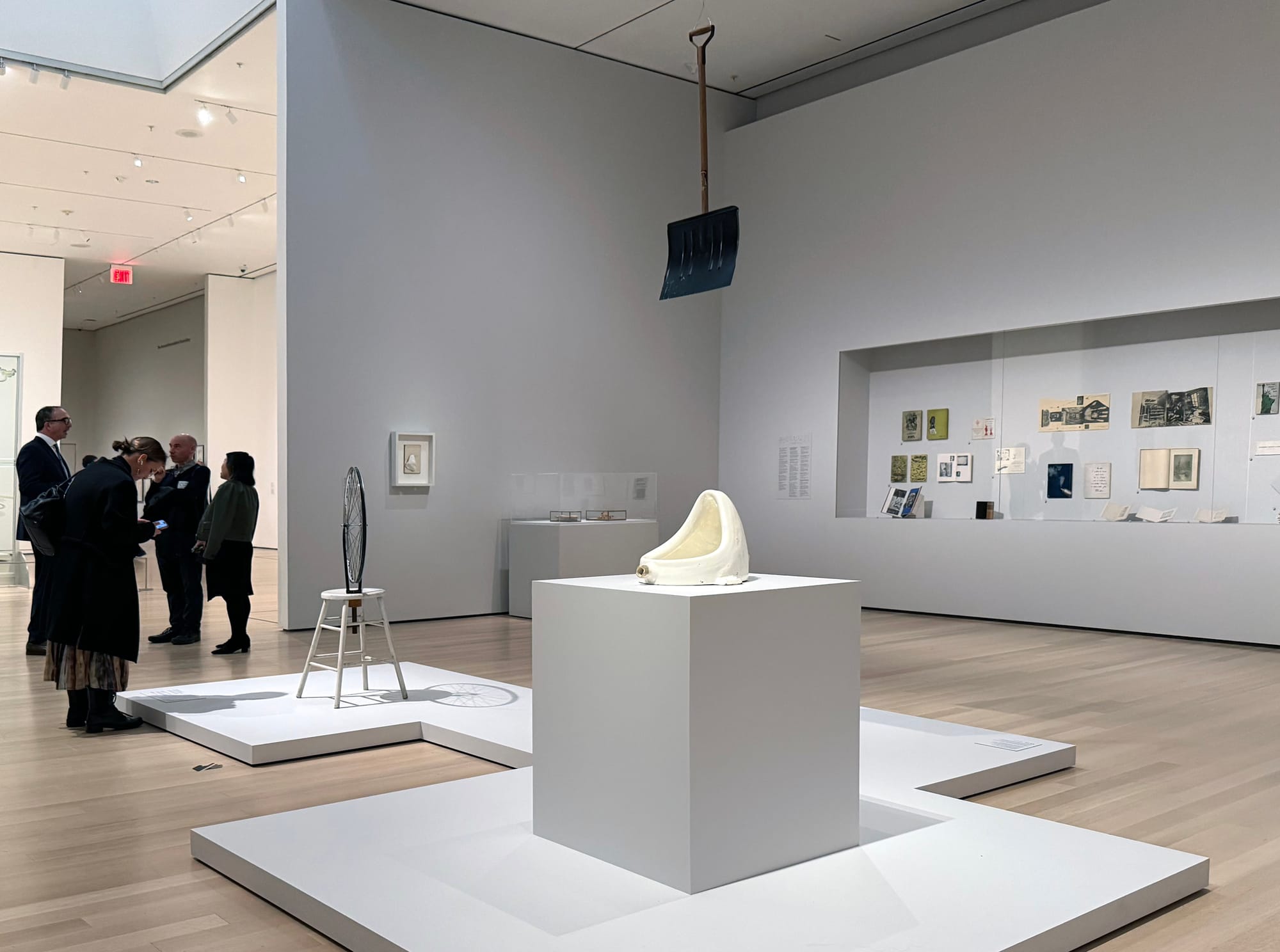
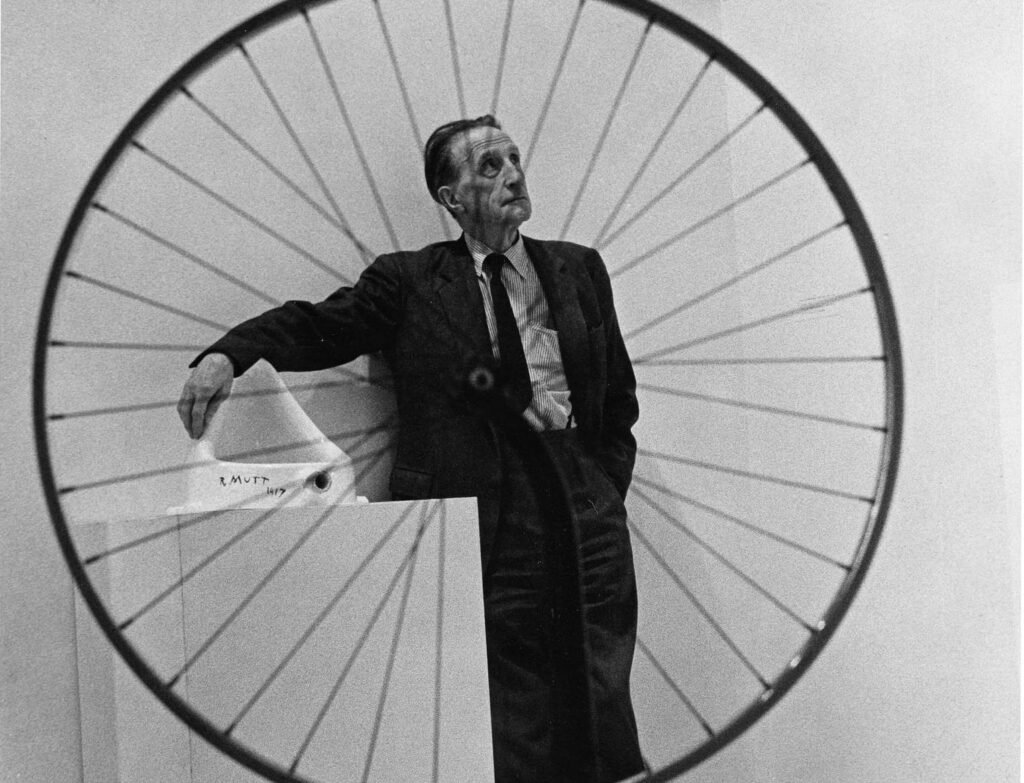
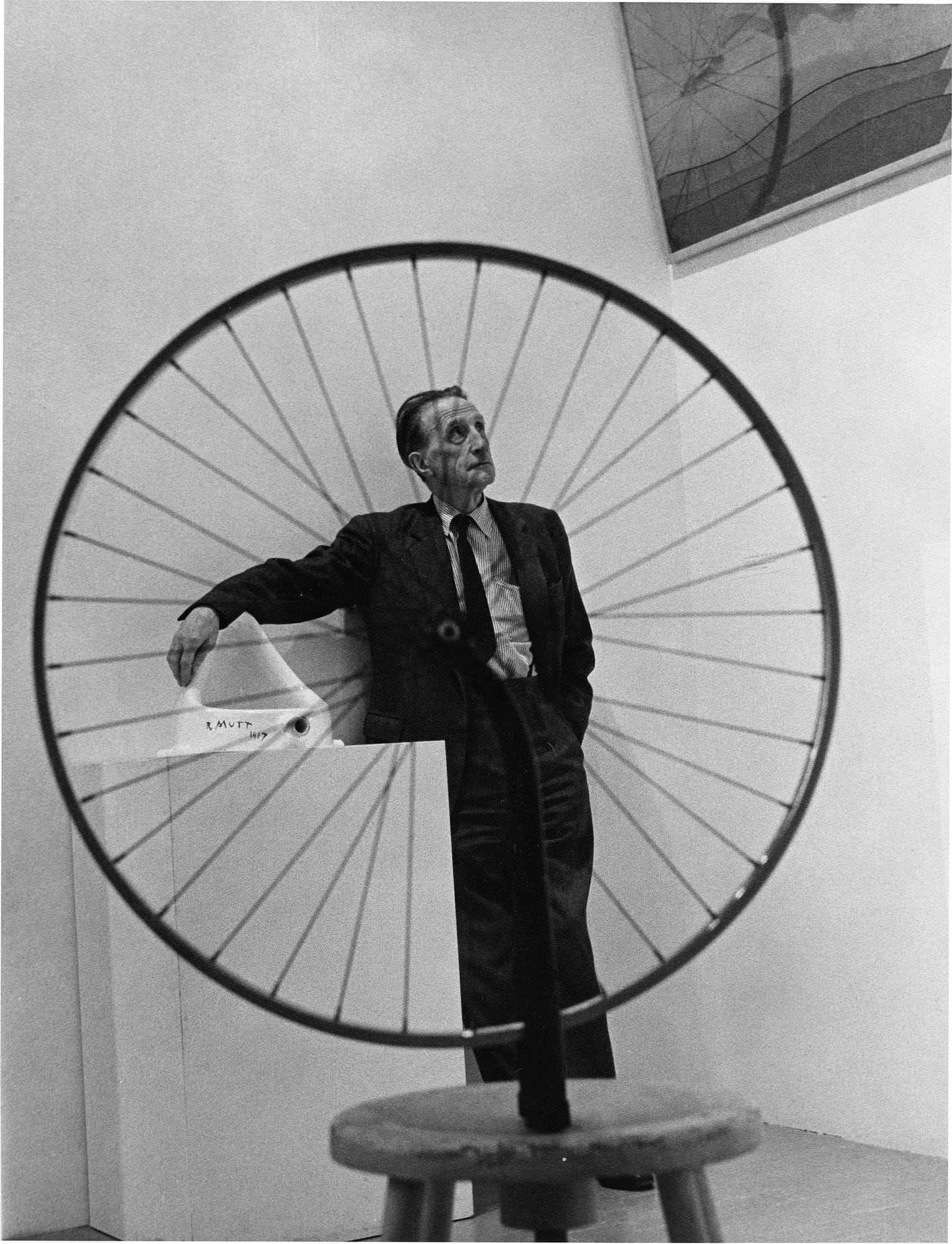
In 1964, Duchamp and his dealer, Arturo Schwarz, commemorated the 50th anniversary of the artist’s first readymade — “Bicycle Wheel” (1913) — by creating a limited edition set of 14 authorized replicas of original works that had been lost over time. The replica set made its American debut in a 1965 exhibition at Cordier & Ekstrom Gallery, then housed in the same Upper East Side building.
(As it turns out, Cordier & Ekstrom Gallery also lost its lease at 980 Madison Avenue after 20 years in 1979 … Time is a flat circle — nay, a spinning bike wheel.)
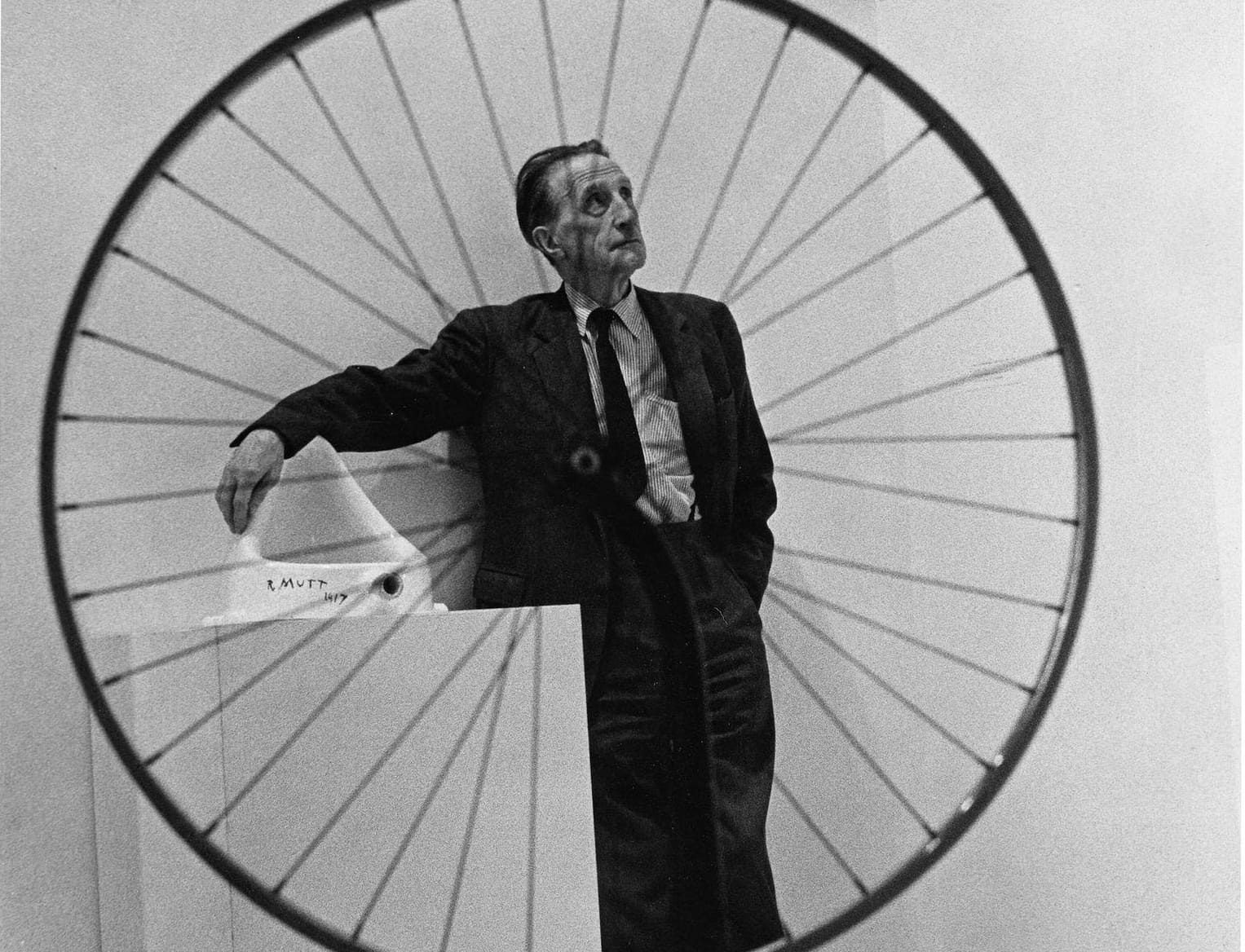
Since their inception, Duchamp’s readymades have maintained a polarizing influence on modern and contemporary art, provoking conversations about what the term “art” encompasses, and who gets to determine that, for over a century. It was “Fountain” (1917), an overturned porcelain urinal that the artist signed off with the pseudonym R. Mutt, that catapulted the body of work into fiery debate after Duchamp submitted it for display in an inaugural un-juried exhibition hosted by the Society of Independent Artists in NYC.
The work’s ultimate exclusion from the main show, which aimed to display all artists’ submissions so long as they paid the required fee, led to Duchamp’s resignation from the Society. The dialogue about the work’s value and artistic designation continued in the following issue of the Blind Man, a short-lived Dadaist journal, which included a segment in defense of “Fountain.”
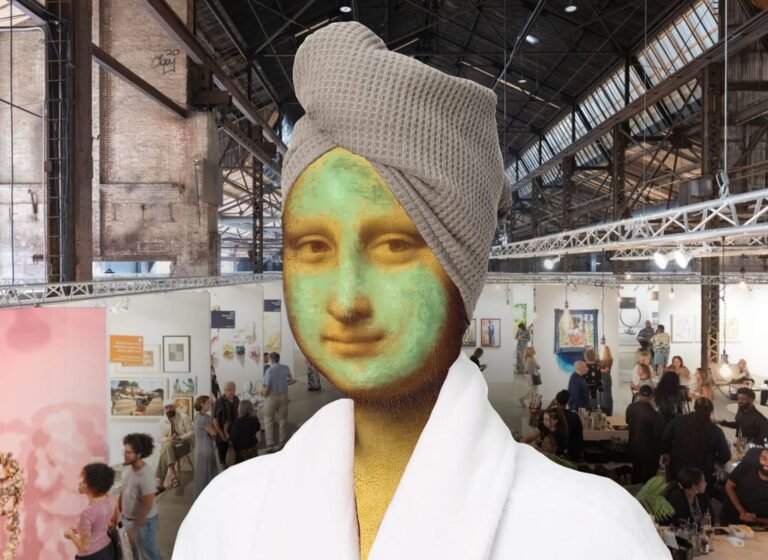
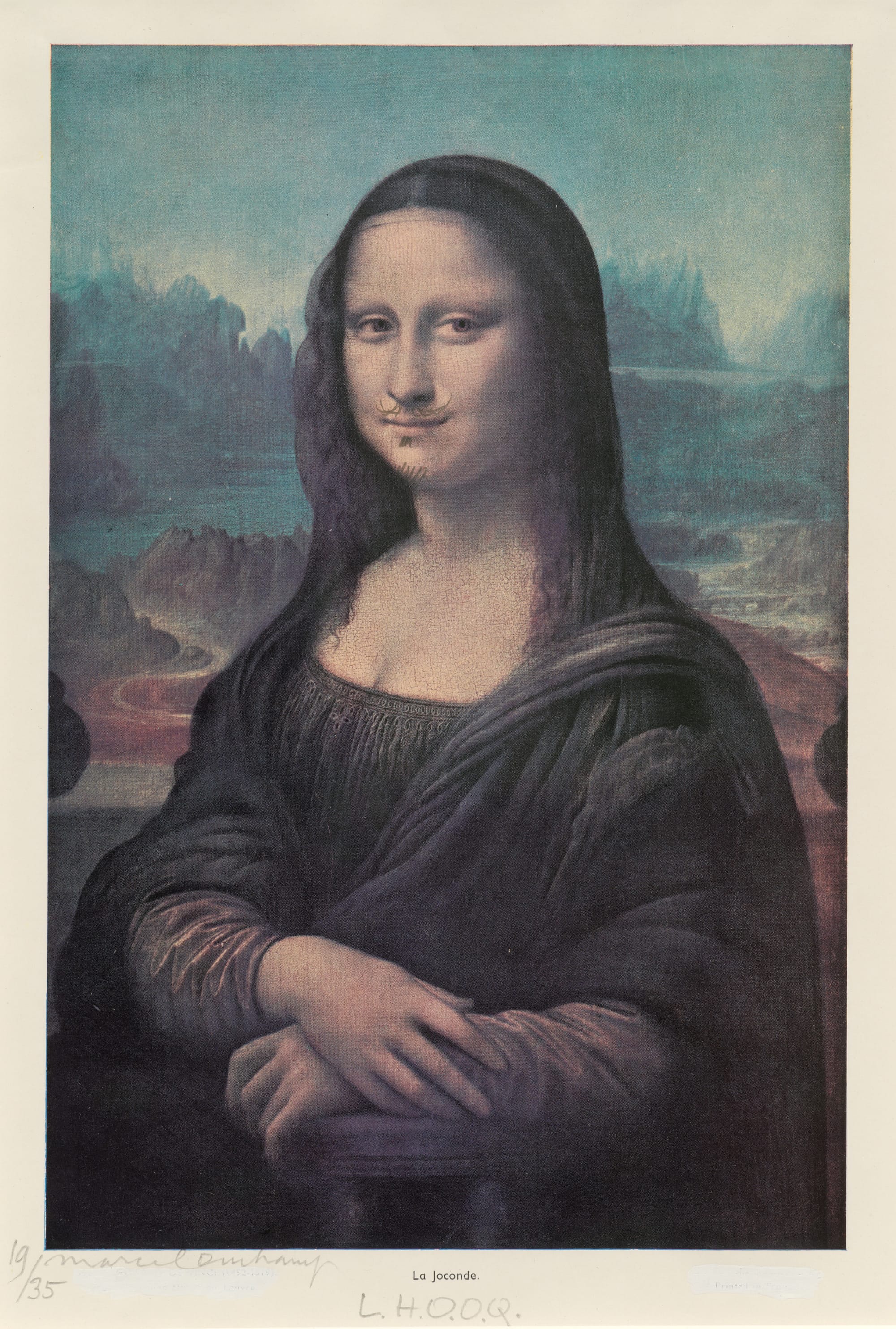
Alongside replicas of “Fountain” and ”Bicycle Wheel,” Gagosian’s forthcoming exhibition will also include Duchamp’s “L.H.O.O.Q.” (1964, after 1919 original); “Porte-bouteilles (Bottle Dryer)” (1964, after 1914 lost original); and “Boîte-en-valise” (1935–49; contents 1935–41).
A spokesperson for the gallery told Hyperallergic that additional details regarding the included artworks and the format of the new gallery space would become available closer to the exhibition’s opening date.