Copycats Crowding the Off-Road Space
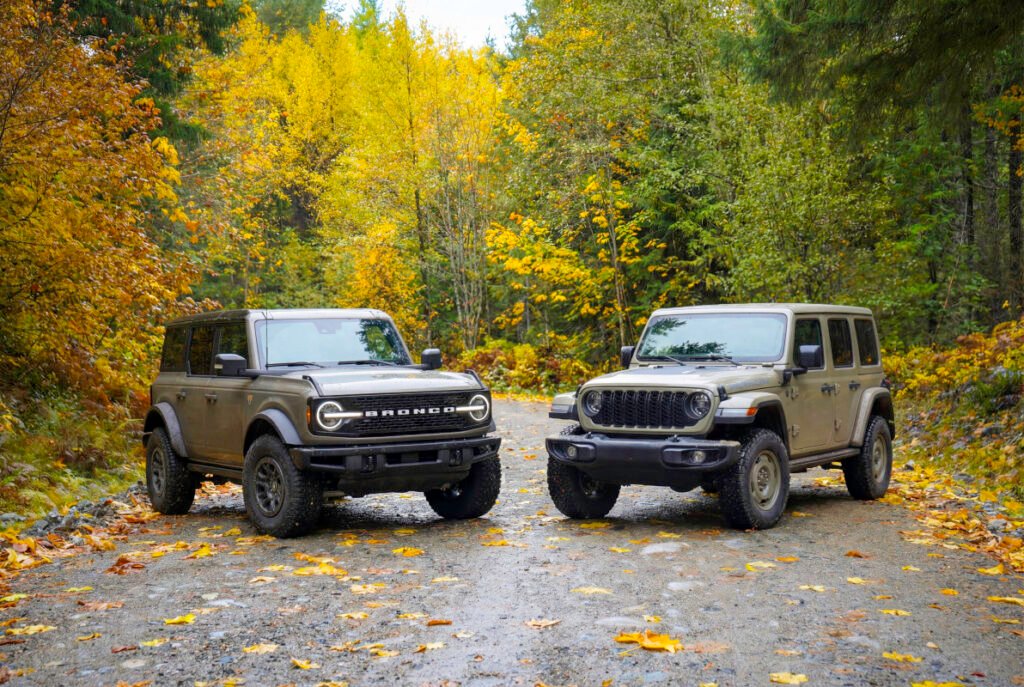
Jeep isn’t backing off as more brands flood the market with rugged styling cues seemingly taken from their vehicles. Instead, it is leaning further into its identity.
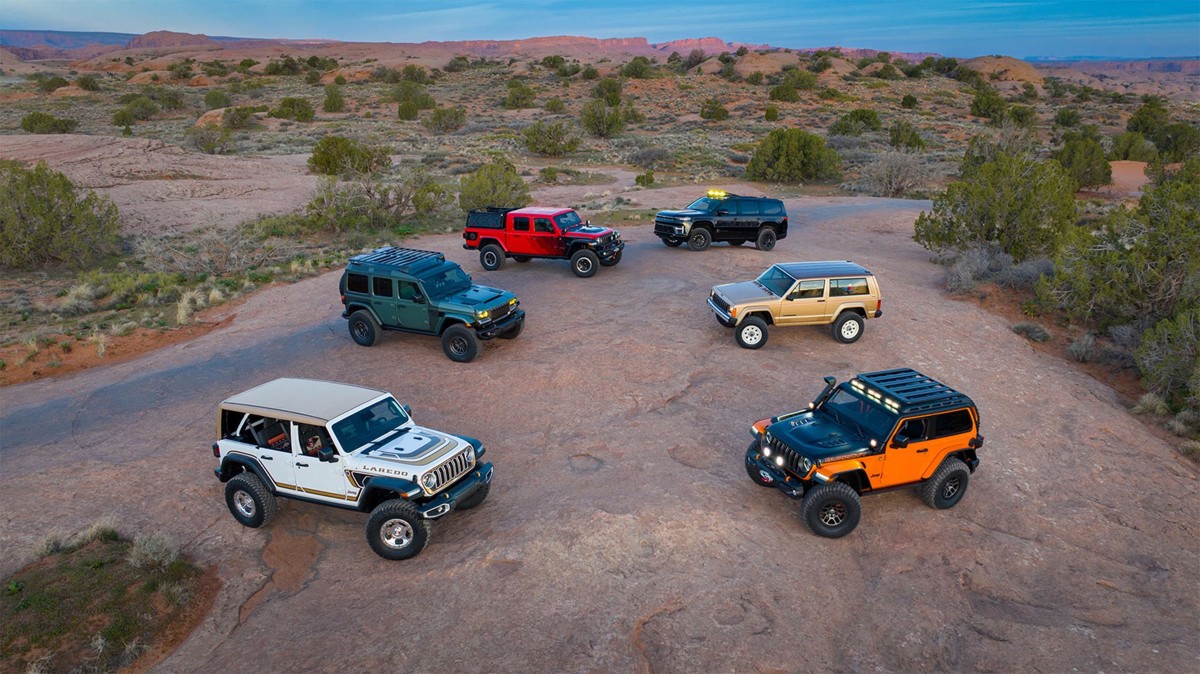
Speaking to Australian media at the Easter Jeep Safari, Jeep Vice President of Exterior Design Vince Galante told Car Expert that the rise of copycat design cues is motivating the brand internally. He noted that elements once unique to Jeep are now everywhere, but that only reinforces what Jeep stands for.
“I think everybody has gone rugged, like everybody has red or orange tow hooks,” Galante said.
ND Adlen 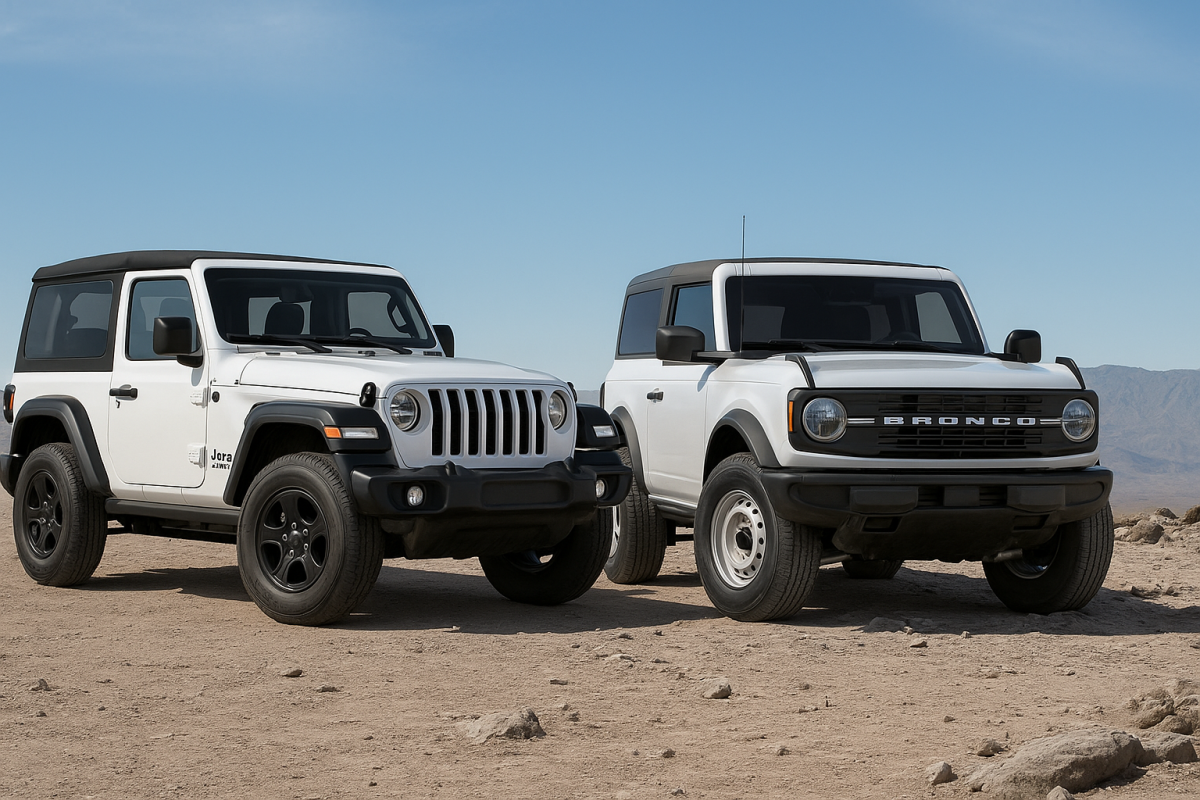
Not About Retro Styling Alone
Galante further explained that authenticity is not about retro styling alone. It is about function and capability. A Jeep must perform off-road and serve as a tool first. He said this is what separates Jeep from vehicles that only imitate the look. The design team is focused on making vehicles more capable and more adaptable for owners. That approach keeps the brand grounded even as competition grows.
He also acknowledged pressure from rivals like the Ford Bronco. Instead of reacting with drastic changes, Jeep is refining its formula. Icons such as the Jeep Wrangler will evolve carefully. Any major shift will be tied to real improvements in performance or usability.
Copycat Culture and China’s Growing Influence
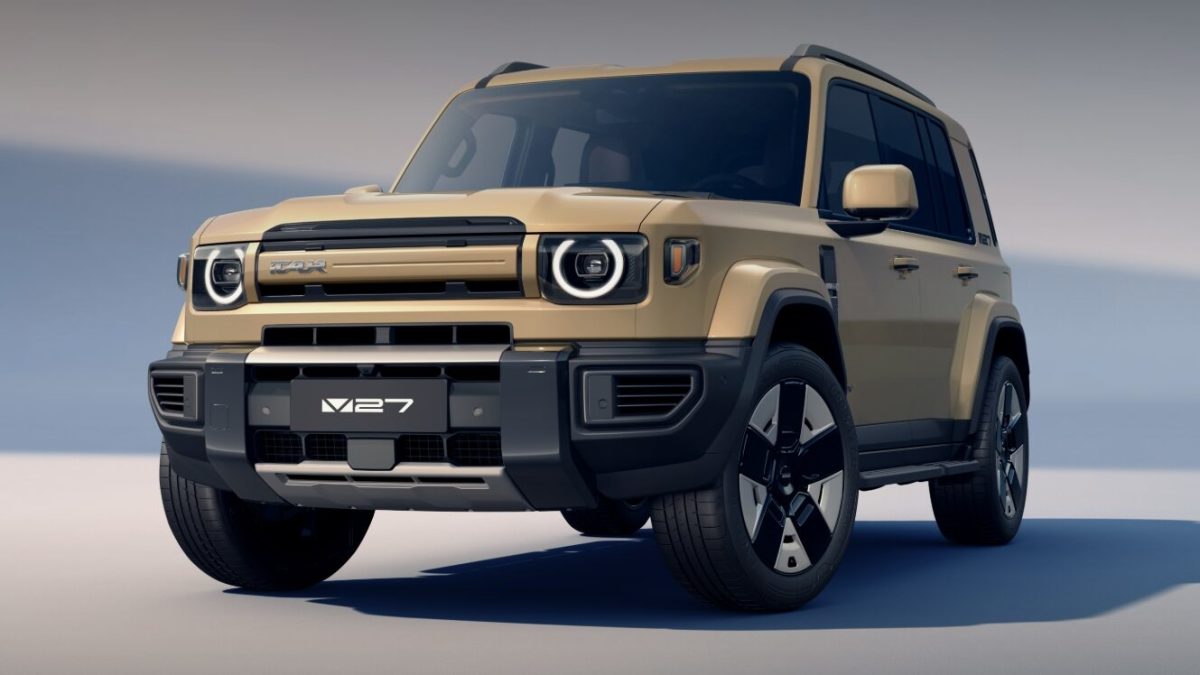
Apart from other legacy brands, China has a long history of drawing direct inspiration from global automotive design, including Jeep. Vehicles resembling icons like the Land Rover Defender have appeared at lower price points. Models such as the Landwind X7 show how closely some manufacturers have followed established designs. Despite legal challenges, fighting these alleged infringement has been like a game of whack-a-mole.
At the same time, China is becoming one of the largest automotive markets in the world. Its scale influences global trends. Many domestic brands are now evolving beyond imitation. They combine familiar styling with new technology and competitive pricing. For brands like Jeep, the response is not to chase every copy. It is to strengthen what makes them original.
Jeep As a Culture
Jeep refuses to dilute its identity to stand out. It doubles down on capability and authenticity. Copycats only validate the brand’s formula. Real advantages remain engineering, off-road performance, and heritage. Buyers are more informed and more critical, and they demand substance, not just style. Jeep’s focus on function keeps it credible and competitive in a crowded segment.
There is also a strong community factor. Jeep owners actively modify and personalize their vehicles. That culture feeds back into product development. It keeps the brand connected to real-world use. By embracing both praise and criticism, Jeep maintains relevance while staying true to its roots.