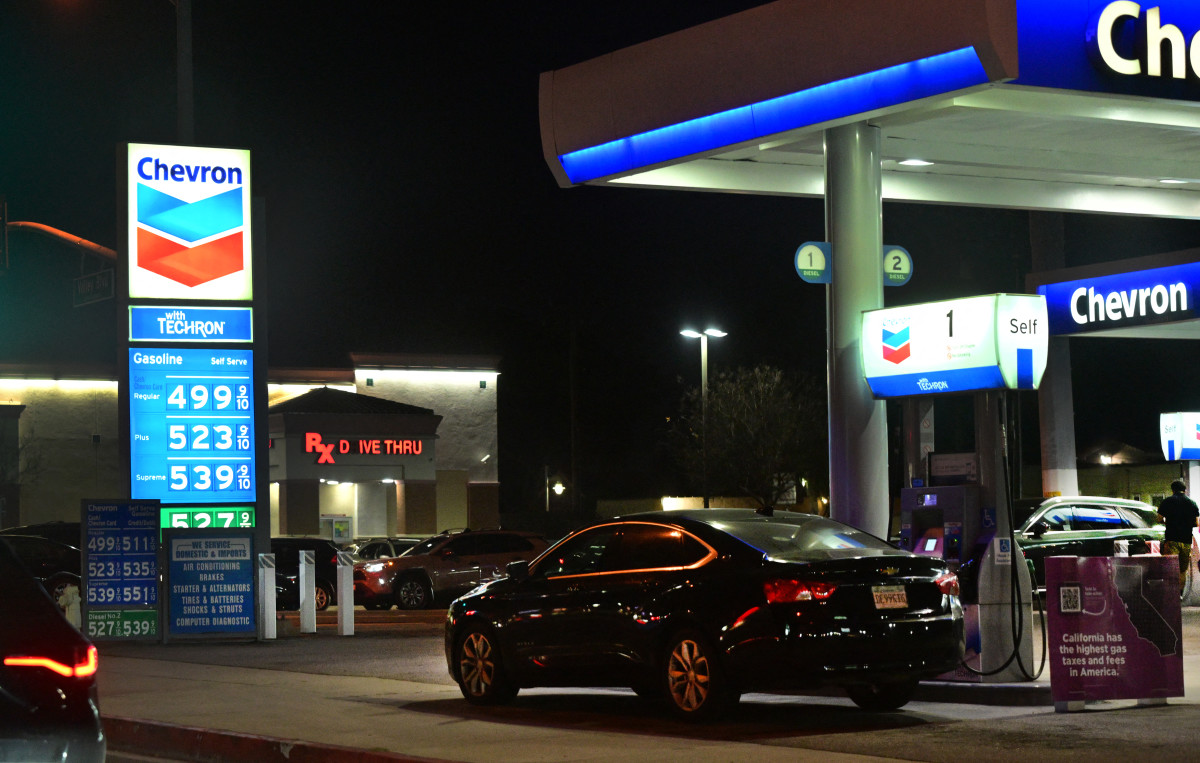
As average gas prices across the United States have topped $4.00 per gallon for the first time since August 2022 and continue to trend upward reaching $4.08 on April 2, Americans are starting to really feel it at the pump.
Since late February 2026, gas prices surged over 30%—a rise of more than $1 per gallon—as a consequence of the US and Israel’s war on Iran, which has led to a volatile oil market with prices exceeding $110 a barrel on April 3.
US Drivers Paid $8.4 Billion More for Gas Since the Iran War Began
Frederic J. BROWN / AFP via Getty Images
If there’s a figure that illustrates how much pain Americans are feeling at the pump, it’s $8.4 billion: that’s how much drivers have paid extra for gas since the war began a month ago, according to an estimate from the Congressional Joint Economic Committee’s Democratic minority.
The mind-blowing sum was determined based on a combination of three metrics: daily average gas prices as tracked by AAA from February 28 through March 31, vehicle tank sizes of top-selling gas vehicles in the US per Edmunds, and federal fuel consumption data from the Federal Highway Administration and Energy Information Administration.
Cole Attisha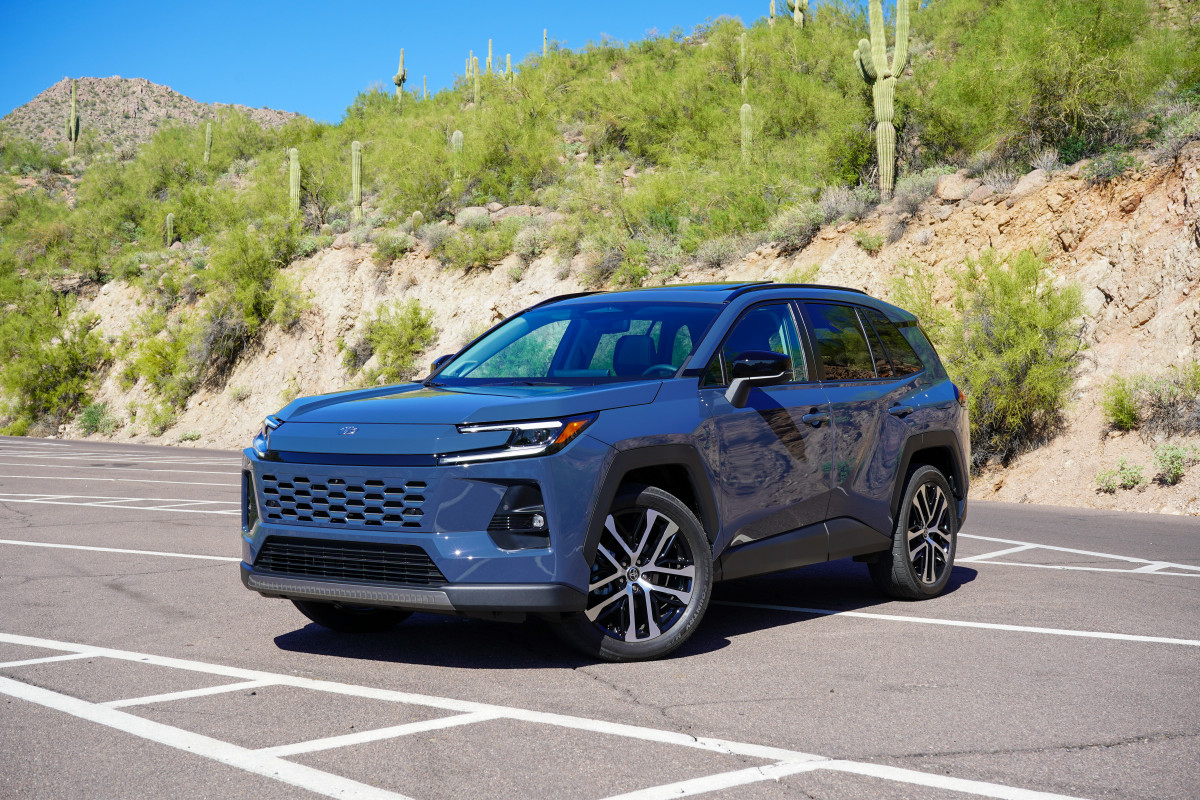
If that’s still a bit too abstract, maybe the following bits of information will help. Drivers of the Toyota RAV4, America’s best-selling SUV, now spend $58.26 to fill up their tanks, up $15 (35%) from before the war, according to the report. Drivers of the country’s top-selling sedan, the fuel-efficient Toyota Camry hybrid, are now paying $52.23 to fill up a tank, nearly $14 more than they used to only a month ago.
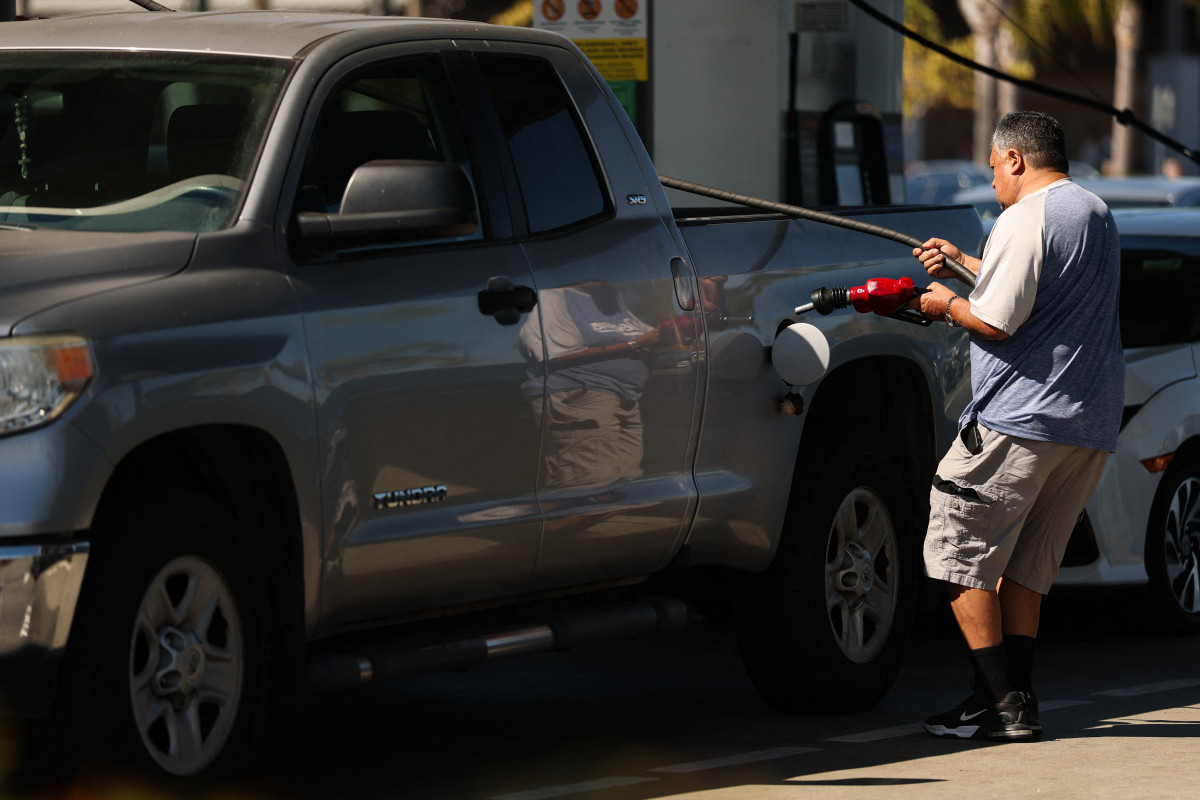
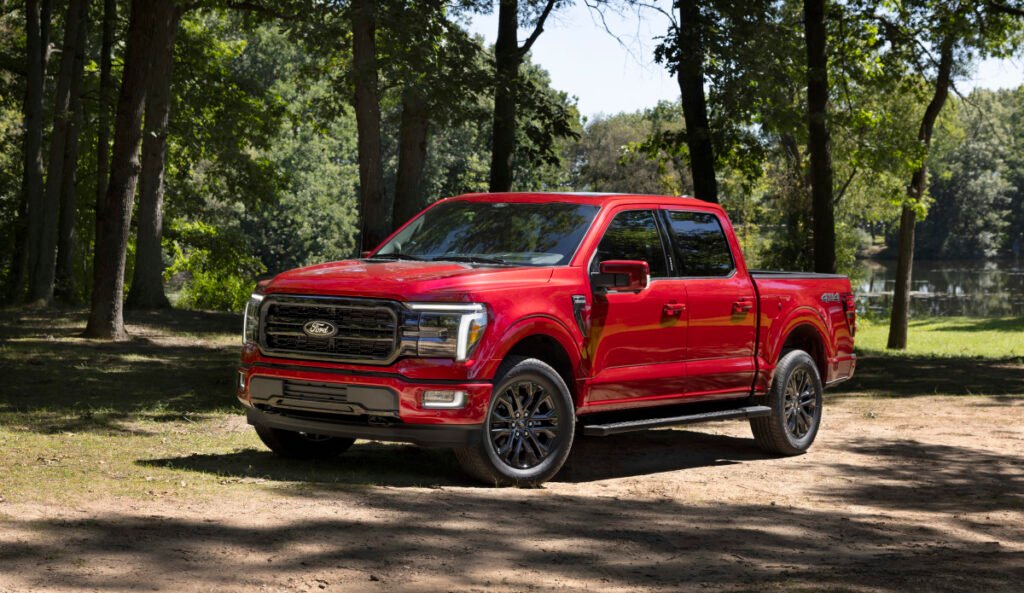
Things are way more dramatic for drivers of larger, less fuel-efficient vehicles like the Ford F-150, America’s best-selling vehicle for more than four decades. It now costs on average almost $145 to fill up the pickup truck’s tank, up nearly $38. The states worst hit by rising gas prices have been Texas, California, Florida and North Carolina, the report noted.
Consumers Spending Less on Expensive Items Because of High Gas Prices
Getty Images
While many Americans have no alternative than to swallow these high gas prices because they’re depending on their vehicles to get to work and move around, the consequences are starting to be felt in how they spend their money on other items.
A report by LendingTree found that roughly one in three Americans are changing their typical spending or savings habits to cope with increasing gas prices, while another 35% planning to do so if prices remain high.
Additionally, a March 31 report from the Conference Board Consumer Confidence Index revealed that fewer Americans plan on purchasing big-ticket items over the next six months. Analysts are expecting a modest second quarter for spending and GDP growth as the inflation starts to sting consumers.
The Trump administration said the recent spike in gas prices is temporary and that fuel costs will decline when the Iran war ends. “When Operation Epic Fury is complete, gas prices will plummet back to the multi-year lows American drivers enjoyed before these short-term disruptions,” White House spokeswoman Karoline Leavitt said in a statement to CBS News.
Patrick T. Fallon / AFP via Getty Images)