Laying down your hard-earned cash on almost any new car comes with the inherent knowledge that it’s going to start losing value from day one. Unless you’re lucky enough to be spending big bucks on some kind of ultra-limited hypercar that might actually go up in value, then depreciation is just a fact of life.
There are ways of minimizing the hit you take on depreciation though, as market analyst iSeeCars has just revealed the results of its latest study into the cars that lose the least and most value over five years. With 12 months spent analyzing over 950,000 five-year-old used cars, there’s one big conclusion to take away from the study: if you want to lose as little of your car’s value as possible, buy a sports car.
Sports Cars and Trucks Triumph
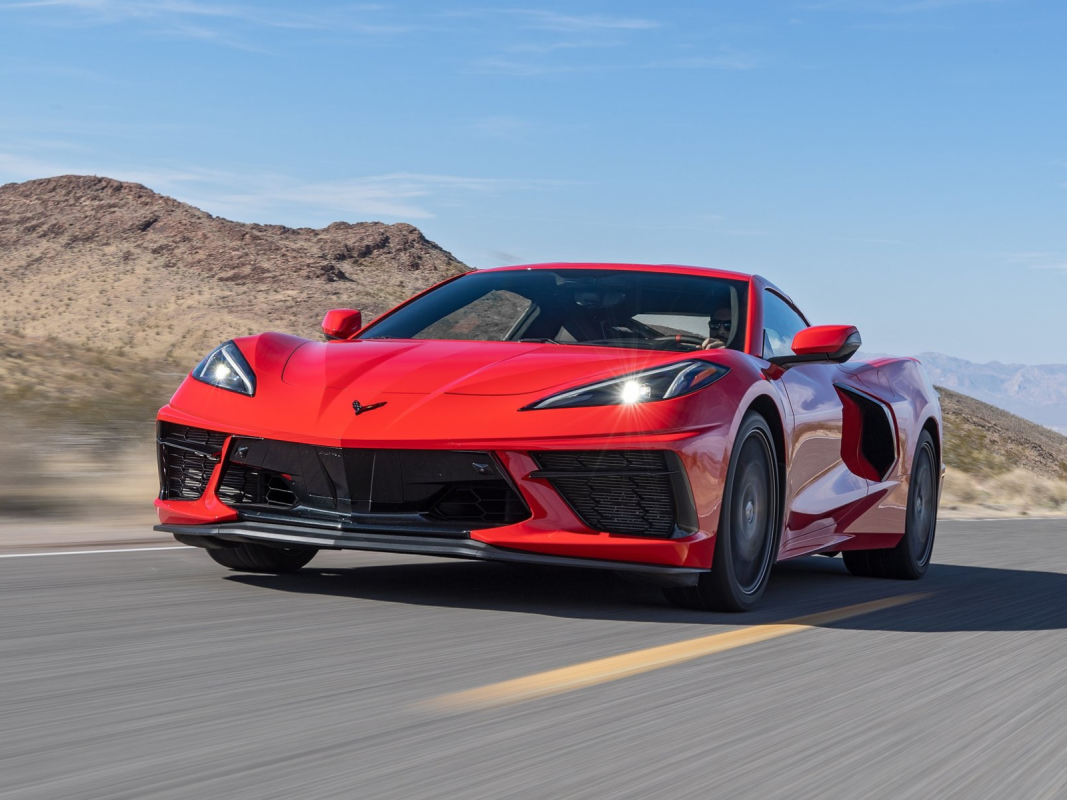
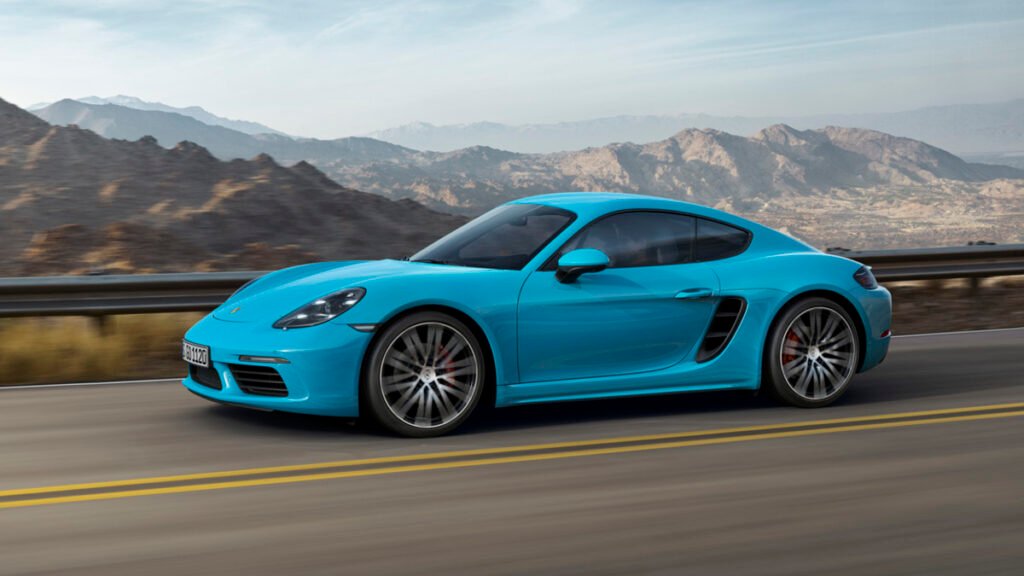
Of the top 10 lowest-depreciating cars in the US, no fewer than five are sports cars, including all three podium spots. Owners of Porsche 718 Caymans can be happy in the knowledge that their cars have, on average, lost just 9.6% of their value over the last five years – an average difference of $6,998. Close behind it is its big sibling, the Porsche 911 (11.1%), followed in third by the Chevrolet Corvette (18.7%). The seventh-least depreciating car, meanwhile, is the Subaru BRZ (23.7%), with the Toyota GR Supra (24.0%) in eighth.
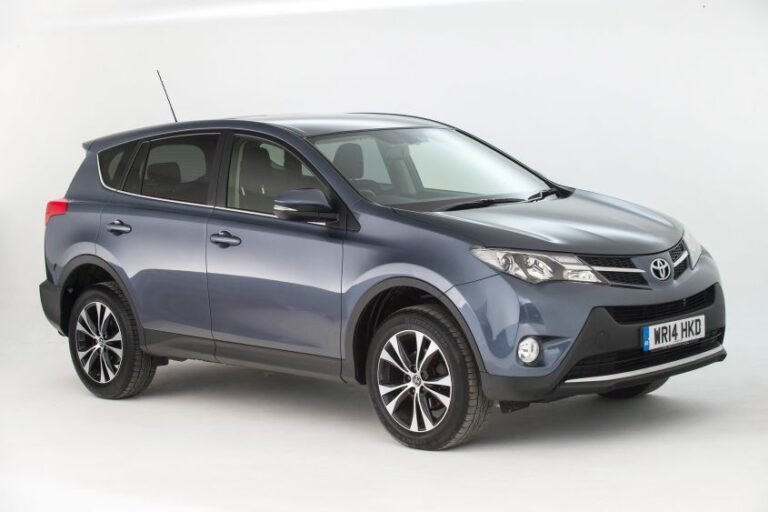
The remainder of the top five is made up of Toyota trucks, with the Tacoma losing an average of 19.9% of its value and the Tundra 21.2%. In fact, it’s good news for Toyota almost across the board – the RAV4 is ninth with 25.2%, and the Corolla Hatchback and 4Runner are tied in 10th with 25.5%. The Honda Civic, meanwhile, comes in at sixth with an average loss of 22.9%.
Toyota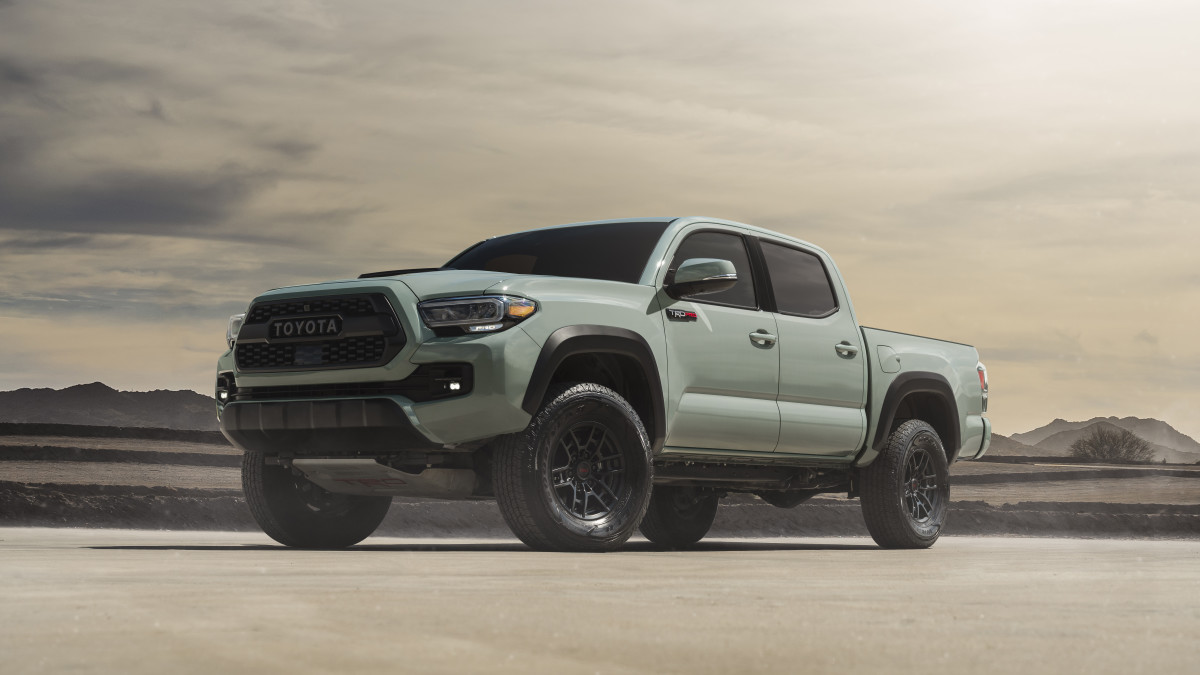
A glance at the wider list shows that Japanese brands continue to resist depreciation seriously well, with 20 of the top 25 cars coming from them – the exceptions are the two Porsches, the Corvette, the Ford Mustang (26.8%) and the Ford Ranger (30.2%).
EV, SUV Depreciation Remains High
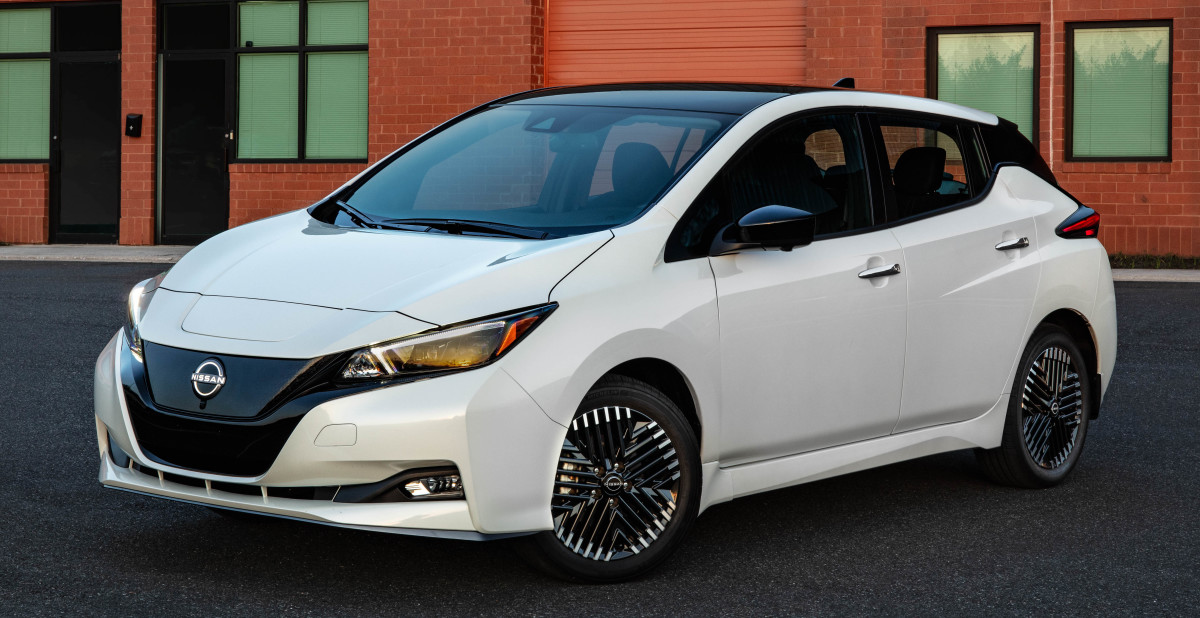
There aren’t many surprises at the other end of the list either, with the 10 most depreciating cars dominated by electric cars and luxury SUVs – both segments notorious for shedding value at a quick rate. The Nissan Leaf takes the dubious honor of America’s most depreciating car, on average losing 63.1%, or $17,743, of its value over five years. It’s followed by the Infiniti QX80 (62.8%) and Volkswagen ID4 (62.1%).
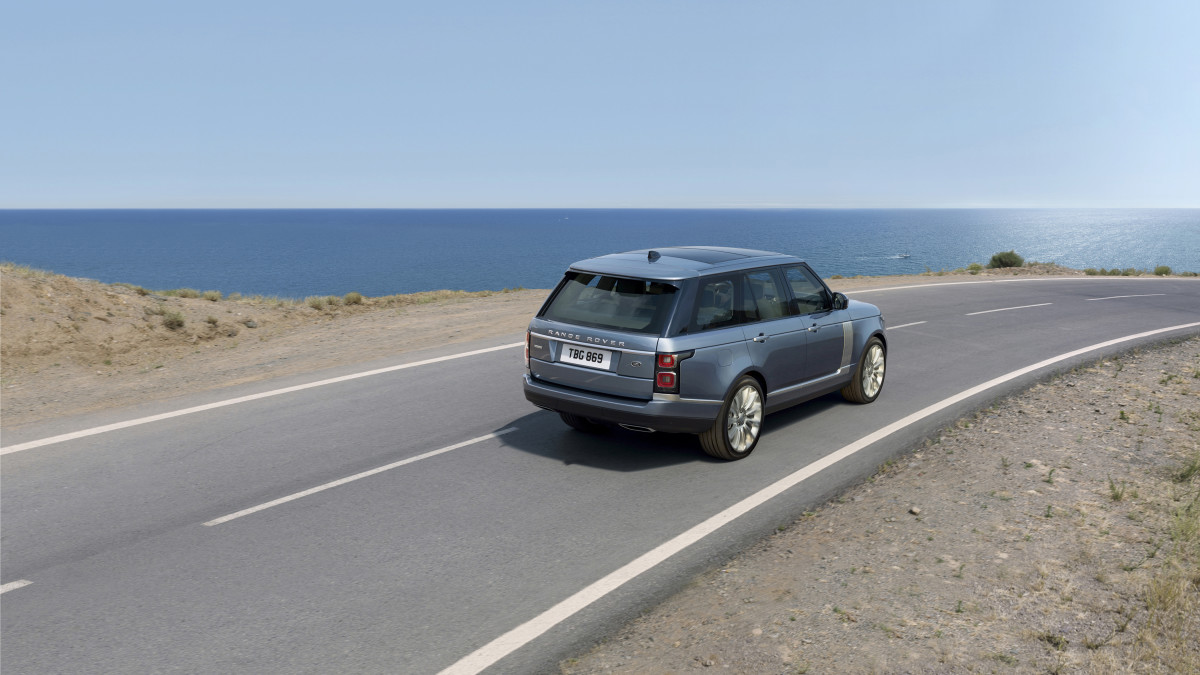
Also representing EVs in the bottom 10 are the Tesla Model S (62.0%) and Model X (61.2%) and Ford Mustang Mach-E (60.8%0), while the luxury SUV numbers are made up by the Range Rover (61.7%) and Infiniti QX60 (58.3%). In fact, among the bottom 10, only two cars don’t belong in these groups, and they’re both BMW sedans – the 7 Series loses 61.6% of its value on average, and the 5 Series Hybrid 59.5%. Everything else in the bottom 25, barring the Audi A7 and A8 L, belongs to either the EV or SUV markets.
Wider Trends
While anyone who’s been following the used car market won’t be surprised to see EVs still losing such a big percentage of their values, it’s worth noting that the rate is stabilising as the market matures – the average depreciation for a five-year-old EV in 2026 is 57.2%, compared to 58.8% last year. That’s down from a whopping 67.1% in the 2019 study, when the EV market was much smaller, although back up from 49.1% in 2023, when EV demand was generally higher. Hybrids and trucks held their values the best, with average rates of 35.4% and 34.2%, respectively.
Overall average depreciation, meanwhile, has dropped to 41.8% after nearly five years of continuous increases, something iSeeCars executive analyst Karl Brauer attributes to rising used car demand – not all that surprising, given that the average price of a new car in the US recently topped $50,000. With those prices not likely to start dropping any time soon, it wouldn’t surprise us to see further drops in the rate of depreciation as more and more buyers look to the used market instead.