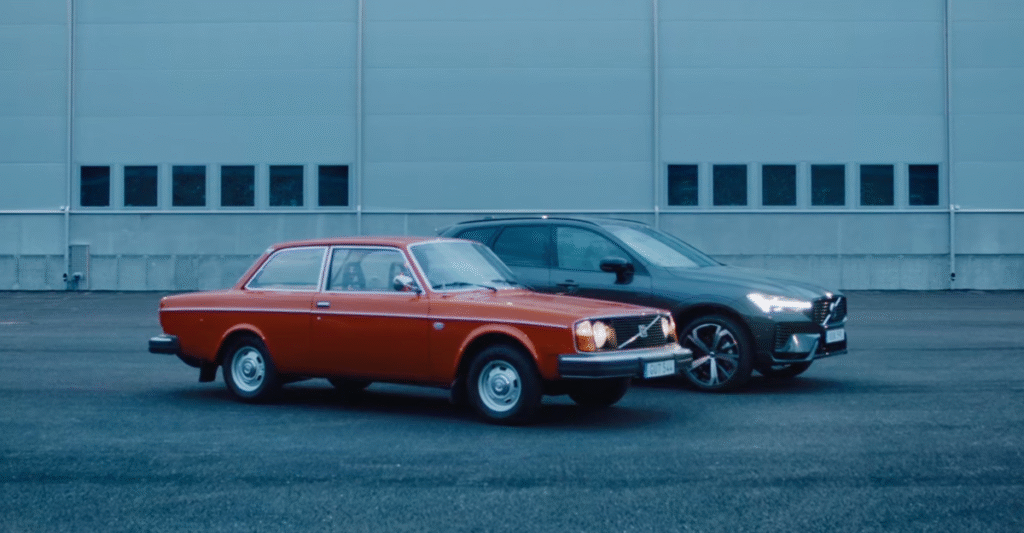
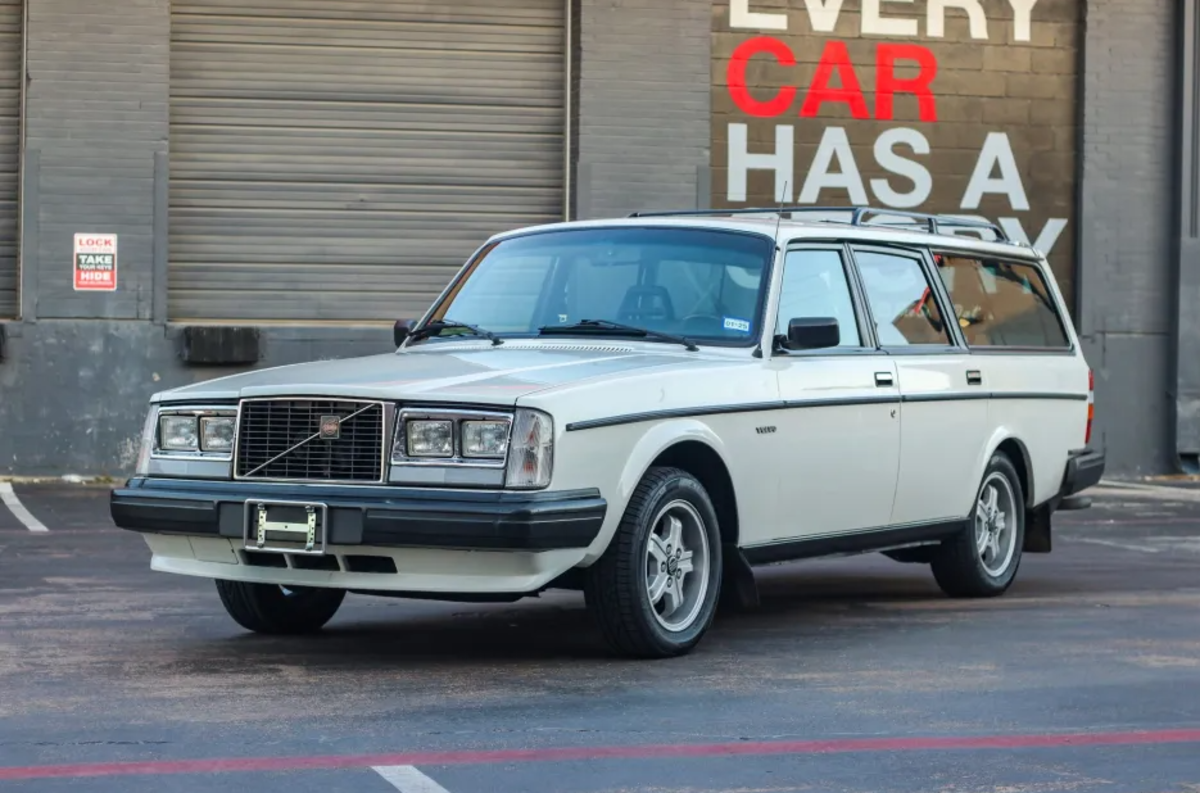
In the 1970s and 80s, Volvo built its reputation on something unfashionable: simplicity. Cars like the 240 were overbuilt, mechanically straightforward, and designed to be fixed rather than replaced. The 940 that followed leaned on familiar components, while many competitors were already introducing increasingly complex electronics and untested systems. That conservatism was very much part of the product. And for decades, it worked brilliantly. Now, in 2026, Volvo sits second from the bottom of the JD Power US Vehicle Dependability Study, with owners reporting 296 problems per 100 vehicles against an industry average of 204. The line between that fall and the tech revolution Volvo bet everything on is a pretty clear trajectory.
The Inflection Point Was a Beautiful New Platform
When Geely took over Volvo’s reins from Ford in 2010, the mood was optimistic. Volvo’s new Scalable Product Architecture (SPA), an $11 billion investment, underpinned the all-new 2016 XC90 and was intended to roll across the entire lineup, bringing with it connected car technologies, world-first safety features, and premium interior design. With it, Volvo had committed fully to its new identity as a technology-forward luxury brand, complete with minimalist Scandinavian cabins stripped of physical buttons, centred around large touchscreens. The aesthetic was gorgeous. The execution, it turned out, was another matter entirely.
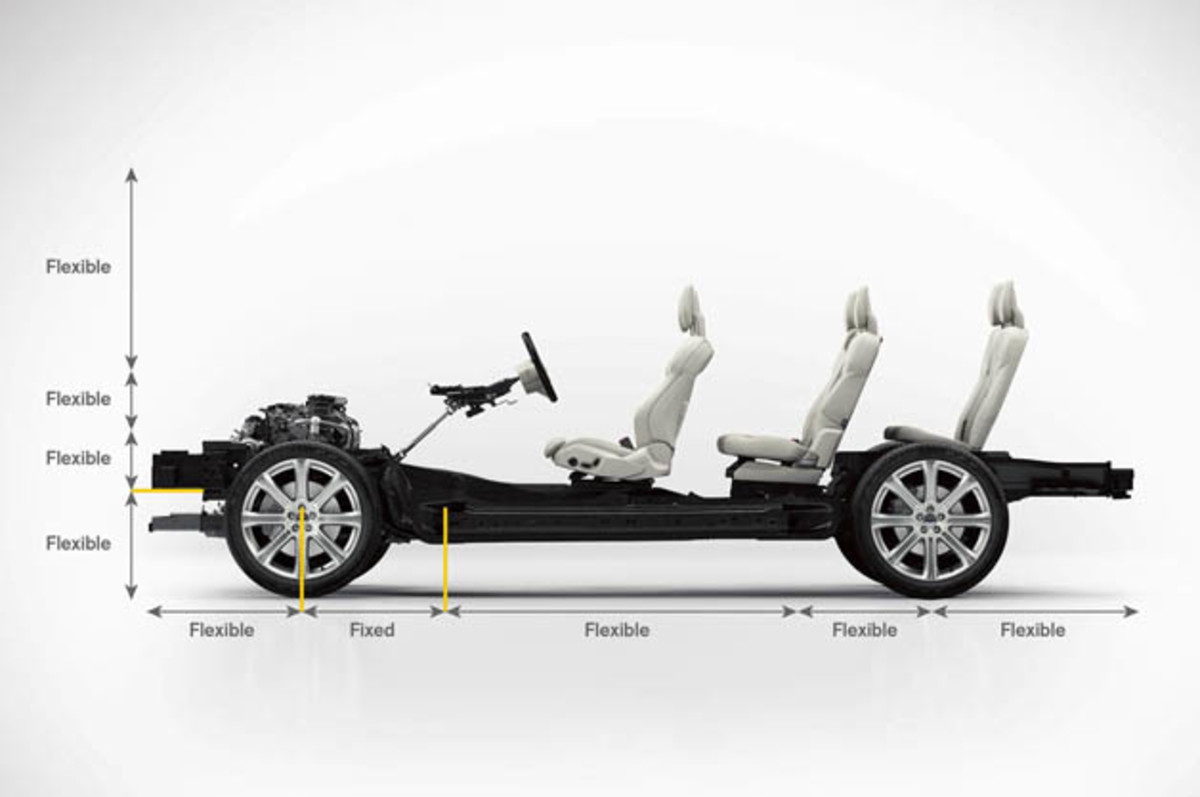
Early SPA cars suffered from engine and hybrid system issues, but the bigger problem was software. Infotainment systems froze, rebooted, and in some cases failed before delivery. The shift to Android Automotive didn’t solve it; if anything, it introduced new points of failure. By 2019, Volvo had fallen to third from the very bottom in JD Power’s reliability study covering 2016 model-year cars, and the scores have barely recovered since.
This Isn’t Just a Volvo Problem
According to JD Power’s most recent dependability research, vehicle reliability is trending in the wrong direction across the board, with infotainment systems easily identified as the biggest area of failure. Even Toyota, for years the benchmark of dependable engineering, hasn’t been immune. Starting with the redesigned 2022 Tundra, Toyota redesigned nearly every vehicle in its lineup, and Consumer Reports subsequently removed Toyota from its top reliability position. Subaru, by contrast, took a deliberately conservative approach with proven shared parts, and climbed to the top of the rankings precisely by doing what Toyota used to do.
Toyota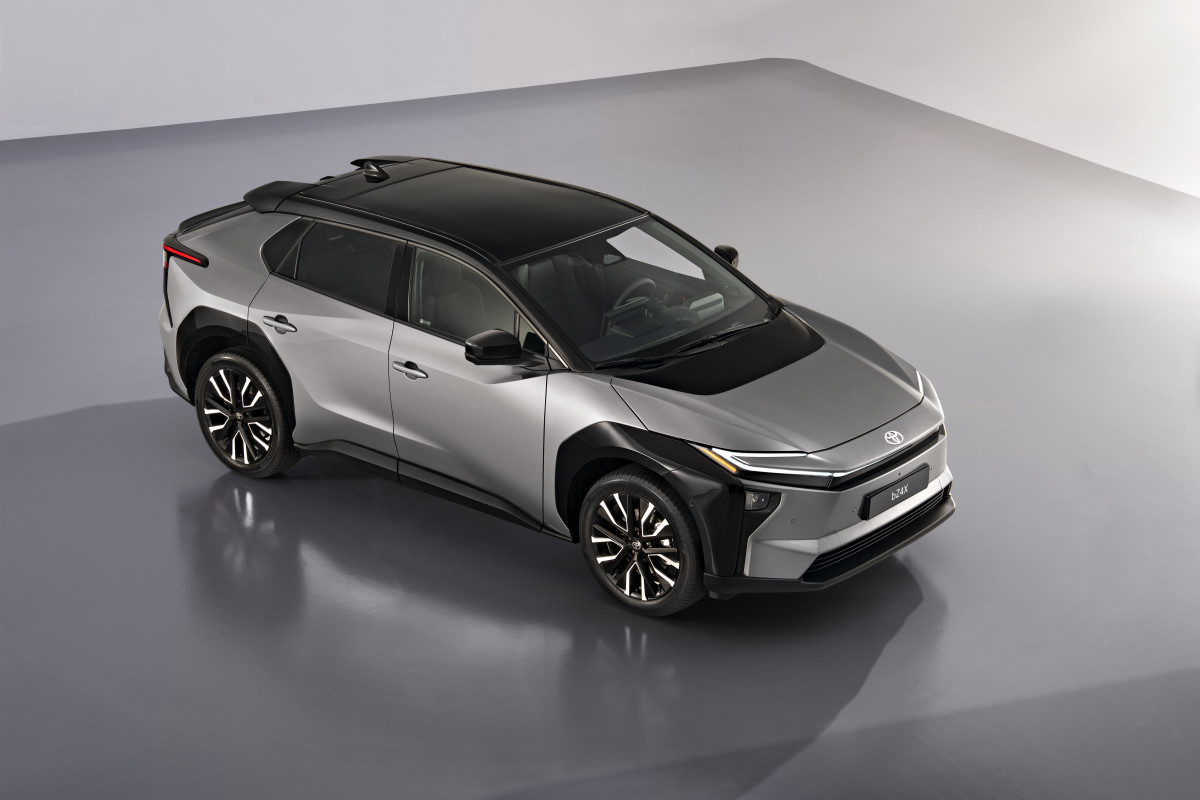
The pattern is consistent everywhere you look. Brands that chase complexity lose ground. JD Power’s own data confirms that plug-in hybrids score 237 problems per 100 vehicles and BEVs 212, compared to 184 for conventional internal combustion engine cars.
When Volvo Stopped Selling Cars and Started Selling a Lifestyle
Like the Germans, Volvo has shifted from emphasizing dependability and engineering to emphasizing technology and design as the justification for price premiums. Volvos are no longer “durable goods”, as their advertising used to claim. They are luxury goods. That rebranding has worked commercially, at least on paper. Sales grew under Geely, the interiors became genuinely beautiful, and the cars won design awards. But reliability ratings are a measure of what happens after that showroom glow fades.
Volvo
Volvo embarked on a software-feature crusade that went poorly, and is now trying to turn things around with its next-generation EVs. That pivot may yet work. But the deeper question is whether the brand can reconcile its identity. The 240 was never described as a lifestyle. Nobody bought one because it made them feel a certain way. They bought it because it started every morning and would probably outlast them. That reputation took decades to build. The data suggests it took about a decade of touchscreens to dismantle.