Colorado is a gorgeous state known for its towering mountains, sunny days, and snowy winters. While the climate can be challenging, there are actually many plants that thrive in this unique environment. With the right plant choices and a little understanding of local growing conditions, you can create a beautiful landscape that returns year after year.
Perennials are some of the most reliable plants for Colorado gardeners because they come back each season with minimal effort. Many are drought-tolerant, cold-hardy, and well-suited to the region’s soils. Keep reading to discover some of the best perennials for Colorado gardens and how to grow them successfully in your own yard.
Gardening in the Rocky Mountain Region
Colorado gardeners face several challenges that make gardening different from other parts of the country. Cold winters and hard freezes, sudden temperature swings, dry air, sandy or rocky soil, and a relatively short growing season can make plant selection especially important.
Fortunately, this doesn’t mean gardening here is hopeless. In fact, many hardy perennials thrive in these conditions and often require fewer resources once established. By choosing plants adapted to Colorado’s climate, you can build a resilient garden that grows stronger every year.
One of the first things to do is study the USDA Hardiness Zone Map for your specific area of Colorado. Growing conditions can vary widely depending on location. For example, the Front Range often has different temperatures, soil types, and moisture levels compared to the Western Slope or High Plains. Selecting plants suited to your local zone is one of the best ways to ensure success.
Perennials are particularly valuable in Colorado landscapes because they are naturally resilient. Once established, many require less watering, less maintenance, and less replanting than annual flowers. This makes them an excellent choice for busy gardeners.
Understanding Colorado Growing Conditions
Once you understand the growing conditions in your specific area, choosing the best perennials for Colorado becomes much easier. Paying attention to sunlight, soil quality, and seasonal weather patterns will help you select plants that naturally thrive in your garden.
Below are some key factors to consider when planning your perennial garden.
Sun & Shade
Understanding how much sunlight your garden receives is one of the most important steps when choosing perennials. Plants labeled full sun typically require at least six hours of direct sunlight each day. In contrast, partial shade plants usually need about three to four hours of sunlight and prefer some protection from intense afternoon heat.
Take time to observe your garden throughout the day to determine where the sun falls. This will help you place plants in the ideal location so they can grow strong and healthy.
Good air circulation is another important factor that is sometimes overlooked. Perennials need adequate spacing so air can move freely between plants. Proper airflow helps prevent common plant diseases such as powdery mildew and keeps your garden healthier overall.
Soil Conditions
Healthy soil is the foundation of a thriving perennial garden. Most perennials prefer well-drained soil, which allows excess water to move through the ground rather than pooling around the roots. While plants still need consistent moisture, overly wet soil can lead to root rot and other problems.
Many areas of Colorado naturally have sandy, rocky, or clay-heavy soil. If your soil quality is poor, you can improve it by adding organic matter such as compost or planting in raised beds. Raised beds allow you to control the soil mixture and create ideal growing conditions for your plants.
Gardeners along the Front Range and High Plains may notice especially sandy or clay-heavy soils, while mountain regions often have rocky ground. Adjusting soil conditions before planting can make a big difference in the long-term success of your perennial garden.
Climate Factors
Colorado’s climate is known for its dramatic temperature shifts. Late winter freezes, early fall frosts, and sudden spring snowstorms can all affect your planting schedule. In many areas, the typical planting window begins around early to late April, although this can vary depending on elevation and local weather patterns.
Because the warm growing season is relatively short, it’s helpful to choose plants with staggered bloom times so your garden has color from early spring through late summer. Selecting hardy plants adapted to Colorado’s climate will help ensure your garden thrives despite unpredictable weather.
A helpful tip is to check local resources, such as gardening guides and research from Colorado State University, which provide region-specific information about soil conditions, planting schedules, and plant recommendations.
Why Choose Native Perennials?
Native perennials are some of the most reliable plants for Colorado gardens because they have naturally adapted to the Rocky Mountain region over thousands of years. These plants are well-suited to local weather patterns, including dry conditions, temperature swings, and nutrient-poor soils.
Many native plants develop strong root systems that allow them to tolerate drought while still producing beautiful blooms. They also play an important role in supporting pollinators such as native bees, butterflies, and other beneficial wildlife.
Choosing native plants is one of the easiest ways to grow the best perennials for Colorado gardens while creating a landscape that works in harmony with the natural environment. Many varieties introduced through the Plant Select® program are specifically chosen for their ability to thrive in Colorado and neighboring states with similar climates.
Best Perennials for Colorado Yards
There are many wonderful options to choose from when planting the best perennials for Colorado landscapes. One of the easiest ways to design a vibrant garden is by selecting plants that bloom at different times throughout the growing season. This ensures your yard has color and interest from early spring all the way through late summer.
Below are some excellent perennial choices organized by seasonal bloom times.
Early Spring Bloomers
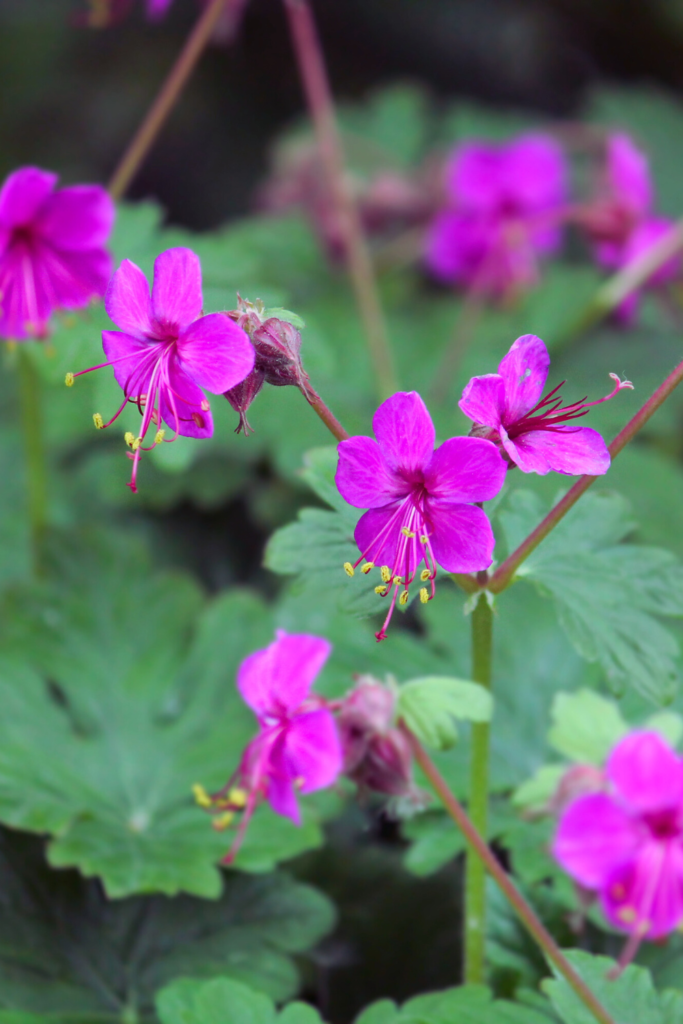
Early spring perennials are especially valuable in Colorado gardens because they provide the first signs of life after a long winter. These hardy plants are often among the first to bloom and tend to handle cooler temperatures better than many other flowers.
Bigroot geraniums are excellent low-growing ground covers that fill open spaces beautifully. They grow well in both full sun and partial shade and are known for their drought tolerance once established. Their delicate flowers and soft gray-green foliage add texture and color to early-season gardens.
These early bloomers often have the best chance of success in Colorado’s colder climate because they are adapted to cool temperatures and fluctuating spring weather. Planting hardy varieties early in the season helps create a strong foundation for the rest of your perennial garden.
Late Spring to Early Summer Favorites
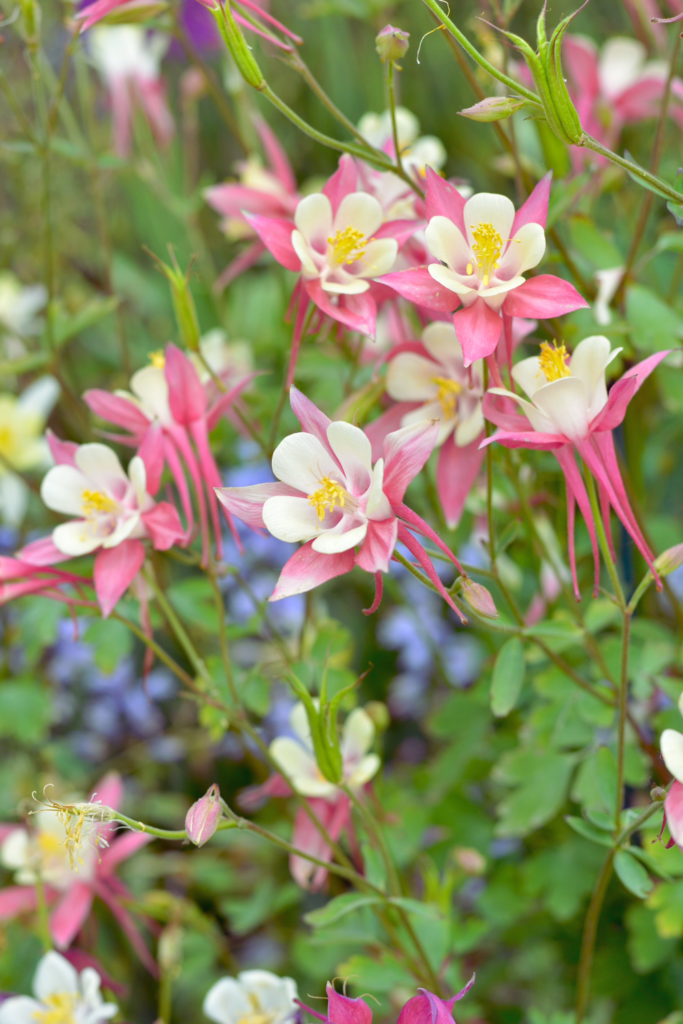
Late spring and early summer bring some of the most colorful blooms to Colorado gardens. This is when many classic perennial flowers begin to shine.
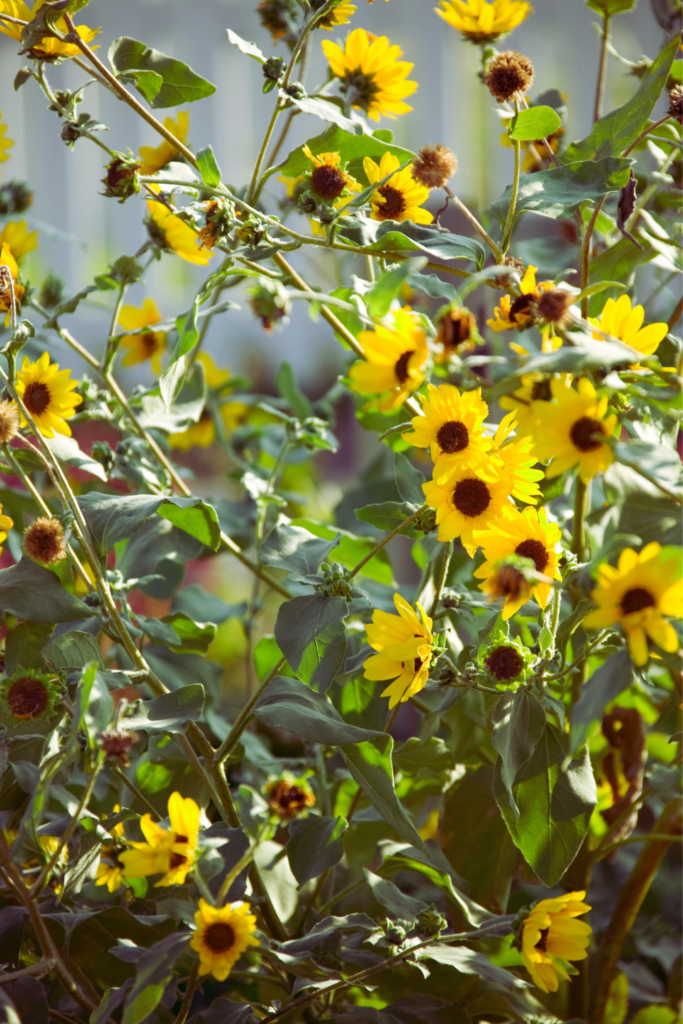
Black-eyed Susans are a popular choice thanks to their cheerful yellow flowers and long blooming period. These vibrant plants can grow in garden beds or containers, making them a versatile option for both large landscapes and smaller yards.
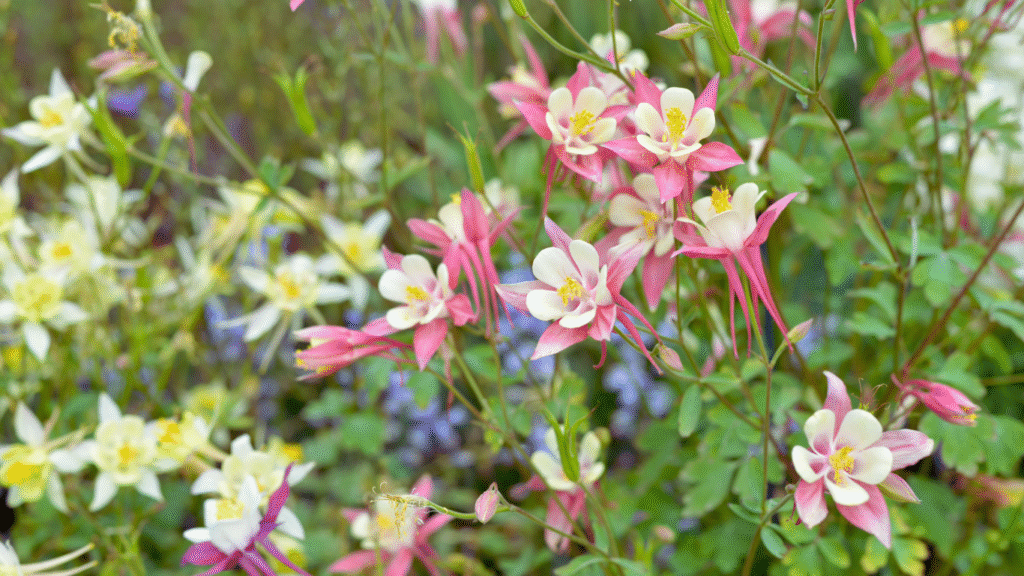
Another favorite is the Columbine, which happens to be Colorado’s state flower. Columbines produce delicate, unique blossoms that come in a variety of colors, including pink, purple, yellow, and white. They grow well in full sun or partial shade and make beautiful cut flowers for indoor arrangements.
These perennials are excellent additions to rock gardens, borders, and mixed flower beds. Their varied bloom colors and shapes add depth and visual interest to the landscape.
Late Summer & Warmer Months Show-Stoppers
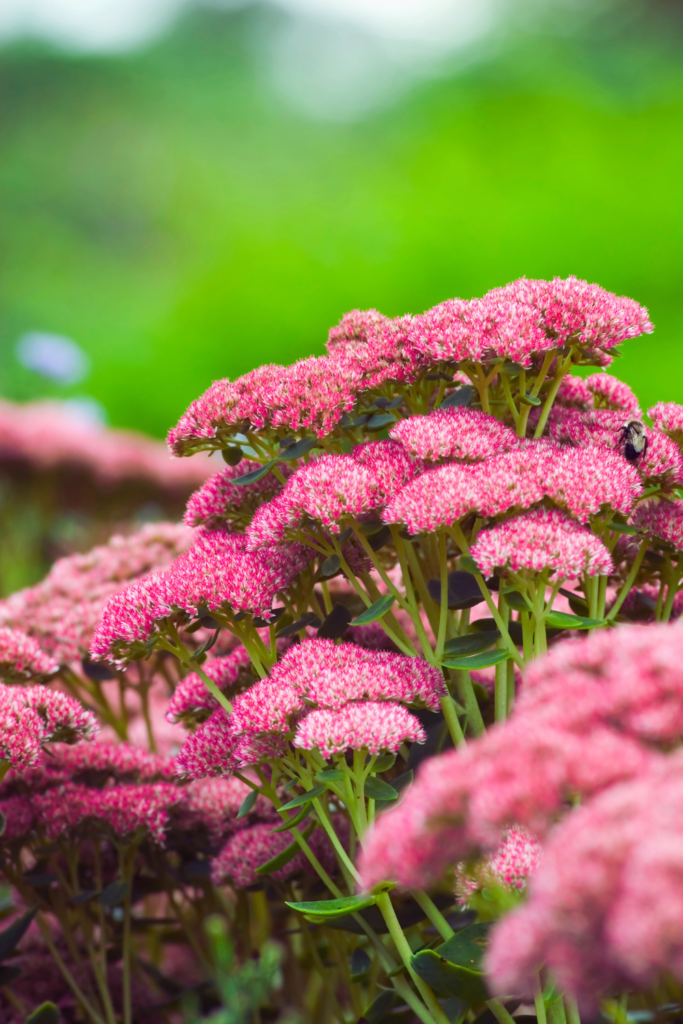
As temperatures warm up, drought-tolerant perennials begin to take center stage in Colorado gardens. These plants thrive in sunny locations and often perform well in dry conditions.
Russian sage is a standout perennial known for its silvery gray-green foliage and airy lavender blooms. Its drought tolerance and long blooming season make it a favorite among Colorado gardeners.
Autumn Joy sedum is another excellent option for late-season color. This hardy succulent requires very little maintenance and grows well in sunny, well-drained locations. Many varieties are low growing, making them ideal for borders and edging around garden beds.
Both of these plants provide vibrant color later in the season when some earlier blooms begin to fade. They also add texture and structure to the garden, helping maintain visual interest through late summer and early fall.
Best Perennials for Specific Garden Situations
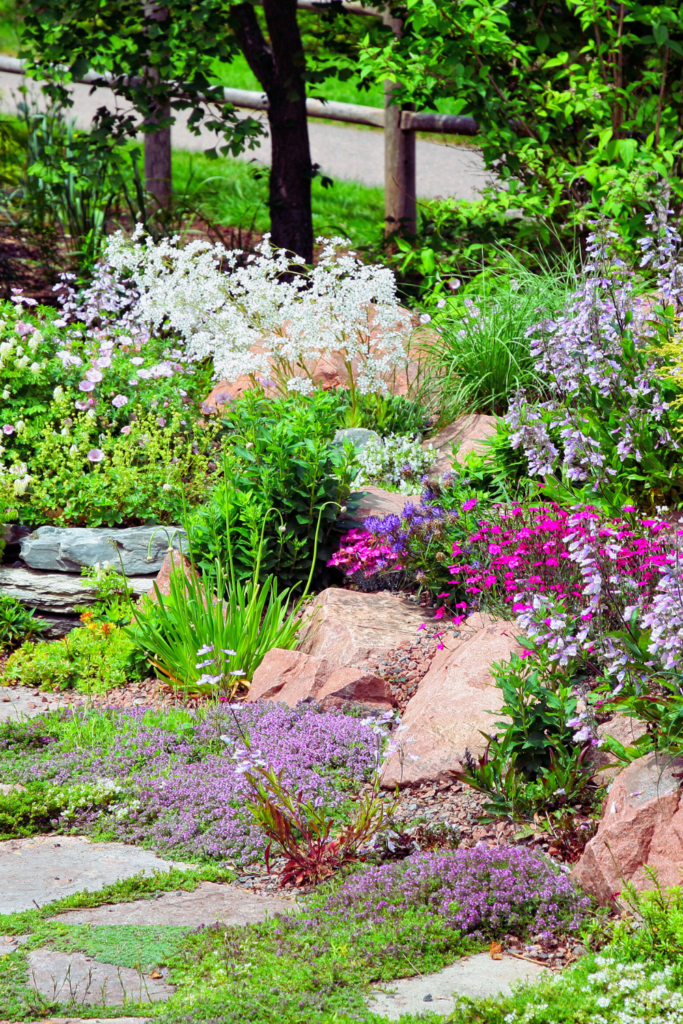
Every garden has unique conditions, and choosing plants suited to your environment can make gardening much easier. The best perennials for Colorado often depend on factors such as sunlight, soil type, and moisture levels.
For dry conditions or sandy soil, look for hardy perennials with strong drought tolerance. These plants are adapted to Colorado’s naturally dry climate and often require very little watering once established.
For partial shade areas, many native perennials thrive with less sunlight and slightly moister soil conditions.
Rock gardens are also very popular in Colorado landscapes. Low-growing ground covers and compact herbaceous perennials work beautifully in these settings and require minimal maintenance.
For gardeners who love lots of color, consider planting a mix of perennials with staggered bloom times. By combining early spring, late spring, and late summer bloomers, you can enjoy a variety of beautiful blossoms throughout the entire growing season.
Planting Perennials in Colorado
Planting at the right time is one of the simplest ways to ensure success with the best perennials for Colorado. Early to mid-spring — typically around April through late spring — is one of the ideal planting windows, giving plants time to establish before the heat of summer arrives.
Avoid planting too close to hard freezes, and make sure your garden beds provide good drainage and plenty of air circulation to keep plants healthy. While some gardeners also plant in late fall, spring planting generally gives perennials the longest window to develop strong roots before winter.
During the first year, consistent watering and good soil conditions help encourage robust root systems that support healthy growth for years to come. Many of the best perennials for Colorado are naturally low-maintenance once established, especially when they are planted in the right location from the start.
By focusing on strong root development and providing steady moisture through the plant’s early life cycle, you set your garden up for long-term success with less work in future seasons.
Woody Plants vs. Herbaceous Perennials
Woody plants and herbaceous perennials differ mainly in how they grow and survive the winter. Woody plants — such as shrubs and small trees — develop permanent, above-ground stems that remain year-round. Herbaceous perennials, on the other hand, die back to the ground each winter and regrow from their roots in spring.
In Colorado’s climate, this natural cycle actually works to a gardener’s advantage. Herbaceous perennials are often better adapted to cold winters, fluctuating temperatures, and dry conditions, which is why many gardeners consider them among the best perennials for Colorado landscapes.
That’s why many of the best-performing plants for Colorado gardens are herbaceous perennials. The best perennials for Colorado return reliably each year, provide colorful blooms throughout the growing season, and require minimal care once established.
Woody plants still play an important role, though — they add height, structure, and visual interest during the winter months when herbaceous plants are dormant. A well-balanced garden often includes both, with hardy perennials providing seasonal color and woody shrubs offering year-round backbone.
Designing a Successful Perennial Garden in Colorado
Designing a successful perennial garden in Colorado is all about working with the natural landscape rather than fighting it. Start by layering plants with different heights — low-growing varieties in the front and taller perennials behind them — to create depth and a more natural look.
A classic Western garden palette often blends soft pink and bright yellow blooms with silvery gray-green foliage, creating a color combination that feels both vibrant and well-suited to Colorado’s dry climate. Choosing hardy varieties, including selections from the Plant Select program, can also help ensure your plants thrive in climates similar to Colorado’s.
The best approach is to begin small and build your garden over time. Plant a few reliable perennials first, see how they perform in your space, and gradually add more as you learn what grows best in your soil and sun conditions.
Gardening in Colorado becomes much more enjoyable when you work with Mama Nature instead of against her — selecting drought-tolerant plants, embracing regional style, and letting your garden evolve season by season.
Final Thoughts: Grow Smarter, Not Harder
You don’t need a perfectly designed yard to grow a beautiful perennial garden in Colorado. The key is choosing resilient plants that are naturally suited to your climate and focusing on what works best with your soil, sunlight, and moisture conditions.
When you select the best perennials for Colorado and match them to your local growing conditions, gardening becomes far easier — and far more rewarding. With the right plants and a good understanding of Colorado’s unique climate, you can create a thriving landscape that grows stronger, fuller, and more beautiful year after year.