An Engineering Company
Honda‘s beginnings were in true engineering; their early days were filled with innovation that ultimately led them to become one of the world’s biggest and most respected automotive manufacturers. It has gone on to be respected not just as an innovator on the road, but also on the racetrack, in aeroplanes, and even in robotics.
Needless to say, Honda doesn’t shy away from pushing the envelope of innovation and technology. More recently, they’ve been going deep into 3D printing, not just the normal “out of your garage” type, but the more difficult one using metals.
Honda Additive Metal Technology
3D printing has become all the rage now; people can design and build almost anything without spending too much. Usually, this manufacturing process uses readily available materials such as plastics and resins, but major manufacturing companies have been investing in 3D metal printing.
Fortunately, select members of the Japanese media were given the opportunity to visit Honda’s Wako Research Center to learn more about metal 3D printing. Interestingly, Honda has been at it for almost 13 years now. – with the ultimate goal of using what it learns to help in the production of mass-produced vehicles.
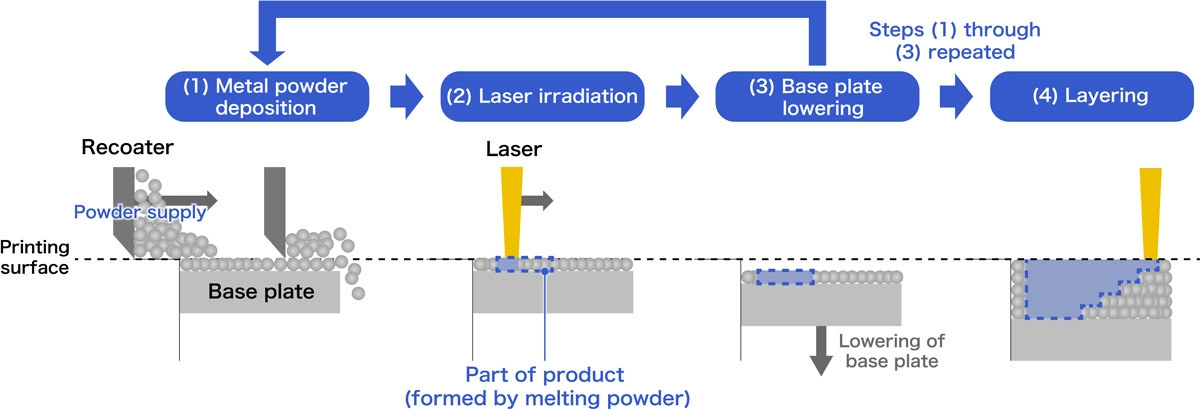
One of the newer advancements in metal 3D printing is called Laser Powder Bed Fusion (LPBF), a mainstream process that involves laying a very fine layer of metal powder, approximately 0.01mm to 0.05 mm thick. That layer is continuously built on to create the desired shape and part they want.
While novel and advanced, LPBF presents some challenges during production. As explained by Chief Engineer Kazuzo Ishimoto, the metal melted by the laser turns into black vapor that affects the laser’s irradiation. Another issue is that, in some cases, the metal that flies off during melting is larger than the original powder, which affects the quality of the final product.
Uses of Additive Metal Technology
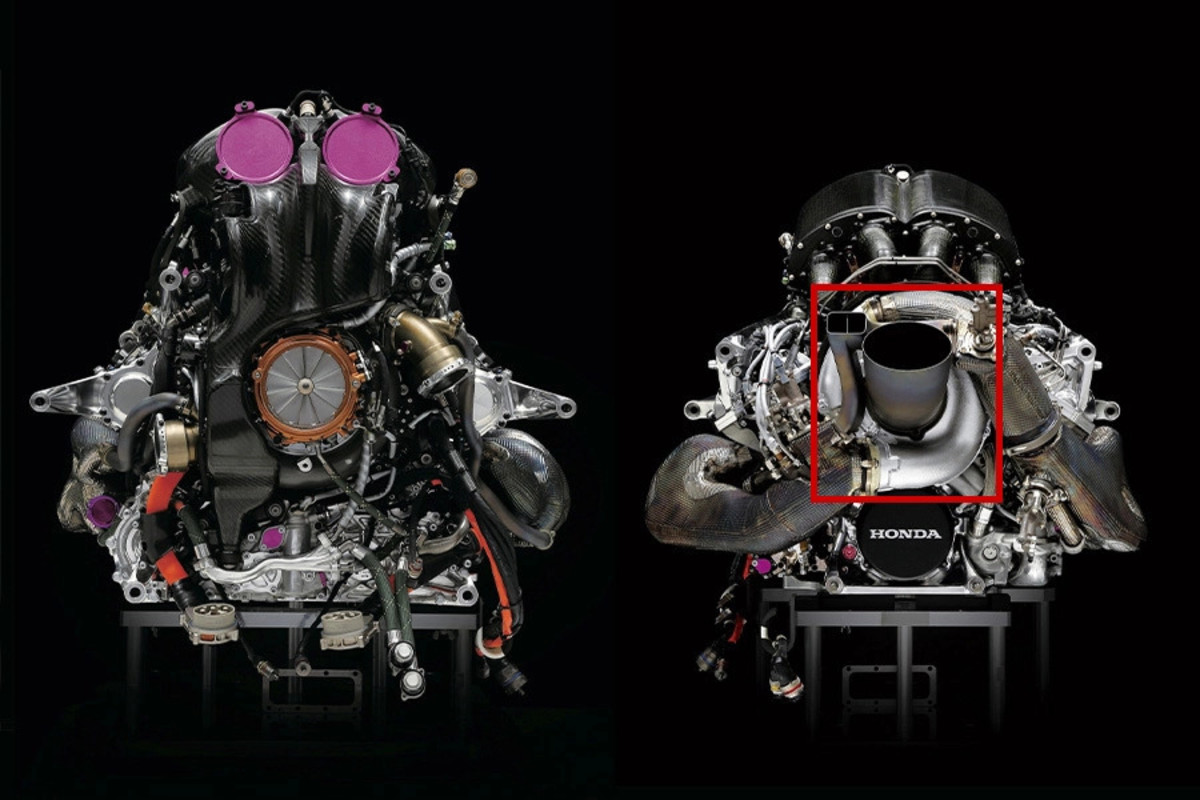
Though some issues arise during metal 3D printing, Honda continues to persevere with the technology and has already used it to help build and succeed in several areas. Chief among these is the F1 racing program. Since 2020, it has been using 3D-printed Iron for the engine’s pistons, while the turbo housing uses printed inconel as a heat shield.
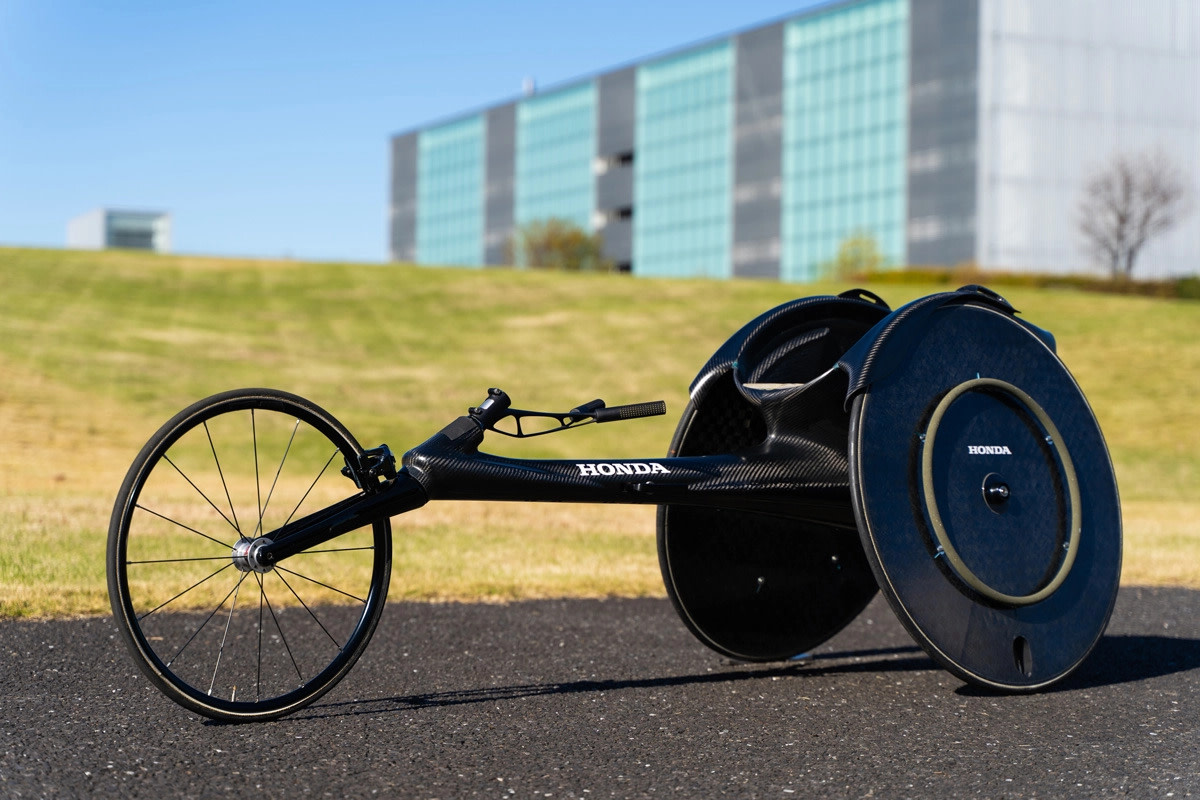
In the world of sports, they were able to make a racing wheelchair optimized for para-athletes. The unique racing wheelchair features a 3D printed aluminum lightweight handlebars. Eventually, a heritage parts program will also use this technology, starting off with the recreation of parts for the first-generation Honda NSX.