Driving Into the Data Age
With increasingly advanced in-car technologies, vehicle owners benefit from a wide range of features, including automatic emergency notifications in the event of a crash. However, these systems may also raise privacy concerns. According to a report by WHO13, General Motors allegedly collected driving data from certain OnStar subscribers and shared it with third-party data brokers.
This might ring a bell, as Toyota previously faced a lawsuit over similar allegations involving users of its Connected Services. This time, Iowa Attorney General Brenna Bird has filed a lawsuit against General Motors, alleging that the company sold driving data belonging to thousands of Iowa residents. According to the complaint, the information was ultimately sold to insurance companies, which may have used it to increase rates, deny coverage, or cancel policies.
The Core Complaint
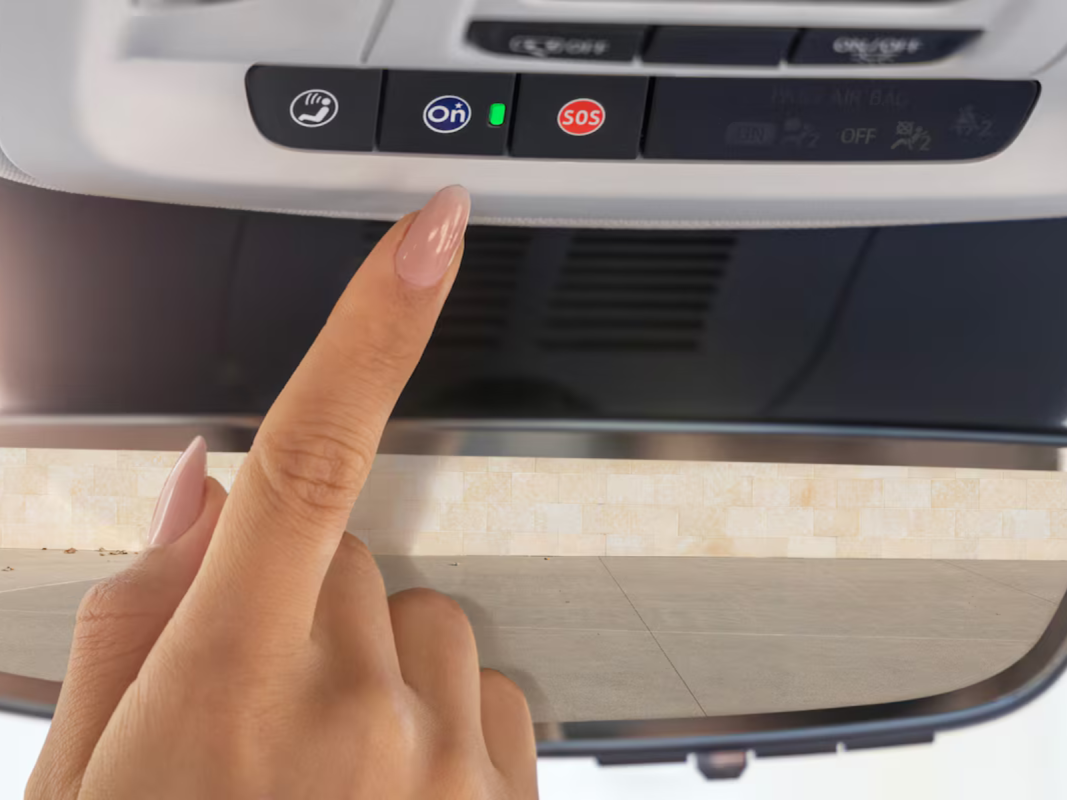
The lawsuit alleges GM led some customers to believe OnStar – an in-car telematics and connectivity system comparable to FordPass Connect – was required for certain safety-related features to work. It further claims that the company failed to adequately disclose that data related to vehicle speed, seatbelt usage, driving behavior, and location had been shared with third parties, including Verisk Analytics Inc. and Wejo Limited, beginning in 2015.
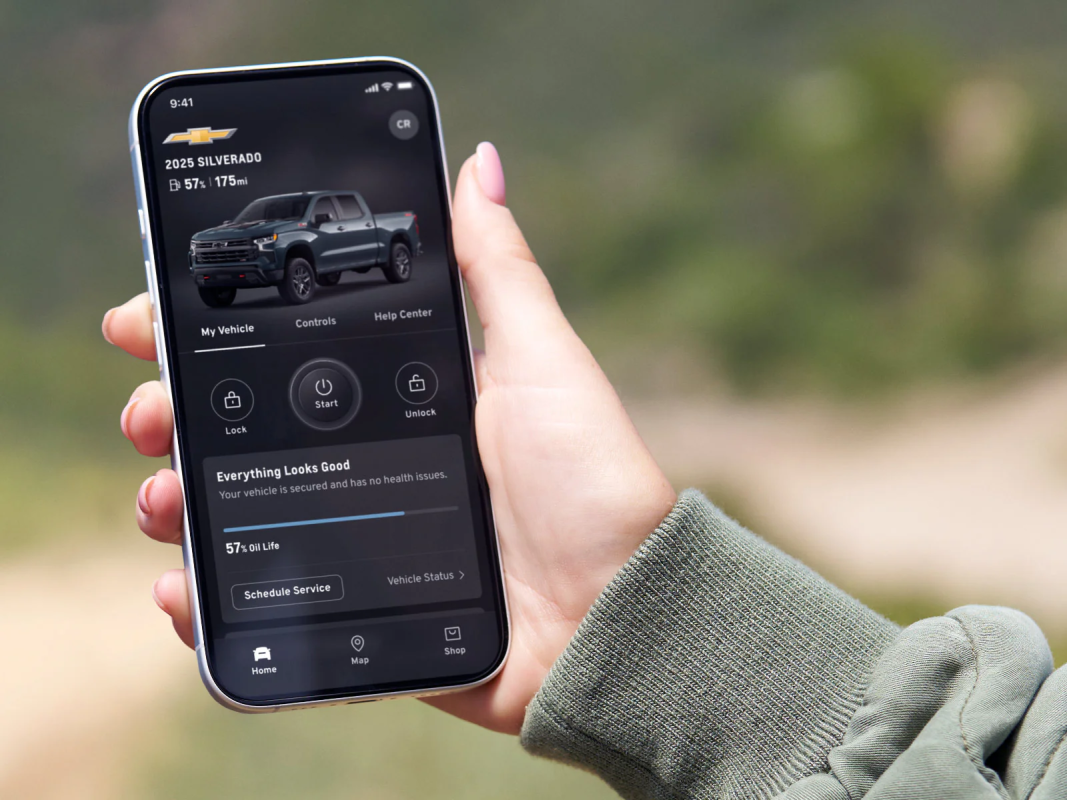
OnStar is available across GM’s brands, including Buick, Cadillac, Chevrolet, and GMC. It offers a range of connected features, allowing owners to control certain vehicle functions through a smartphone app, access an in-car Wi-Fi hotspot, and run vehicle diagnostics that can alert them to potential issues and help connect them with a nearby dealer or service provider if needed.
While these features are designed to be convenient, concerns arise if they come at the expense of data privacy. In this case, the lawsuit alleges that such practices would violate data protection laws, including the Iowa Consumer Fraud Act.
Iowa Pushes Back
Speaking about the lawsuit filed in the Polk County District Court, Iowa Attorney General Brenna Bird said, “Iowans deserve to know who is collecting, using, and selling their data and why.” She added, “They should also be able to trust a company as large and well-known as General Motors. GM was not honest with Iowans who were spending their hard-earned money on a dependable vehicle, and it did so to generate more profit.”
While the case is ongoing, it raises broader questions about how automakers manage vehicle data, particularly as in-car technologies continue to advance. Many modern features, including advanced driver-assistance systems (ADAS), rely on sensor inputs and vehicle data to function properly, supporting safety technologies such as Adaptive Cruise Control and Automatic Emergency Braking.
Pressure could mount as IIHS moves to tighten Top Safety Pick+ criteria. As part of its “30×30” vision, the group says it plans to add requirements for technologies that address risky driving — including driver attention systems — by 2030 in an effort to reduce traffic fatalities by 30 percent.
Buick