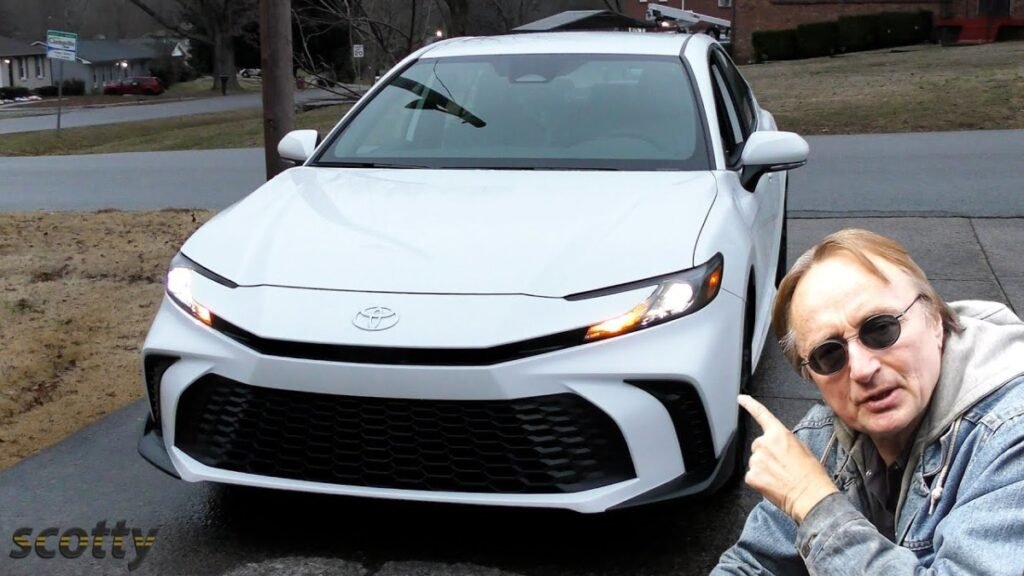
Does Scotty Regret His Purchase?
For decades, Scotty Kilmer built his reputation on one uncompromising message: never buy a new car. The veteran mechanic consistently warned viewers about depreciation, overcomplicated electronics, and long-term repair costs, instead championing older, proven vehicles. That’s why his decision to purchase a brand-new 2026 Toyota Camry Hybrid at age 72 stunned followers. Kilmer framed the purchase as a rare exception driven by value, hybrid longevity, and practicality, even jokingly calling himself a hypocrite for finally going new.
Importantly, Kilmer has not reversed his broader stance on new vehicles. His Camry ownership update suggests something more nuanced: he still believes most modern cars are overly complex, but considers Toyota’s hybrid system mature enough to justify long-term ownership. His latest video criticizing the car, therefore, doesn’t signal buyer’s remorse.
Instead, it reflects Kilmer doing what he has always done: scrutinizing engineering decisions through the lens of durability and serviceability. He still likes the car overall, but views many of its modern features as compromises forced by regulation, efficiency targets, and evolving industry trends rather than pure mechanical improvement.
Toyota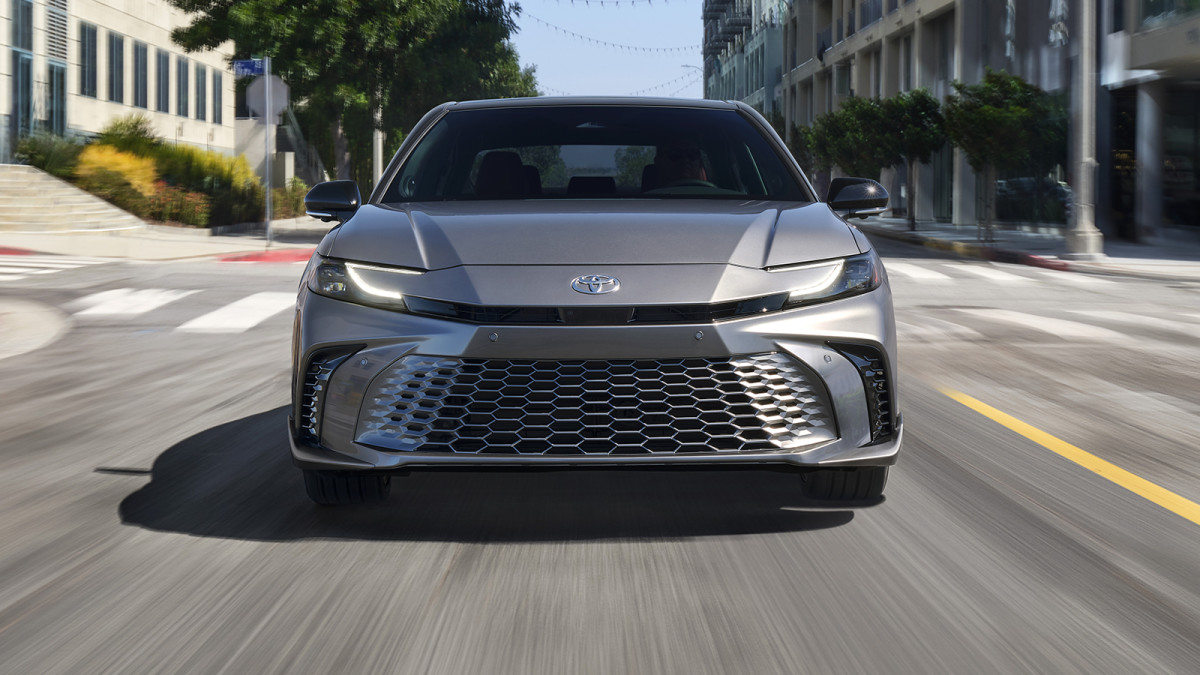
Inside Scotty Kilmer’s Biggest Complaints About the 2026 Toyota Camry
Kilmer’s criticisms fall into three clear categories: build quality details, modern technology intrusion, and long-term ownership concerns. Under the hood, he points to a rattling hood prop rod and insufficient insulation mounting tabs, all minor issues, but notable because Toyota traditionally excels in assembly precision.
More serious in his eyes is Toyota’s adoption of ultra-thin 0W-8 engine oil, which he argues prioritizes fuel-economy certification gains over mechanical longevity. He plans to switch to thicker 0W-16 oil despite factory recommendations, reflecting his long-standing skepticism toward efficiency-driven engineering changes.
Inside the cabin, most complaints target usability rather than reliability. Kilmer dislikes the electronic parking brake for complicating DIY servicing, finds rear-seat reminder warnings intrusive, and criticizes the adaptive cruise control interface for replacing intuitive stalk controls with multi-button steering-wheel inputs.
He also questions stylistic interior trim that intrudes into passenger legroom, calls the hybrid’s EV mode largely symbolic due to limited electric range, and expresses concern over synthetic leather durability. Notably, he still praises ride comfort and adaptive cruise performance itself, reinforcing that his objections center on how features are implemented rather than whether the Camry is fundamentally good.
Toyota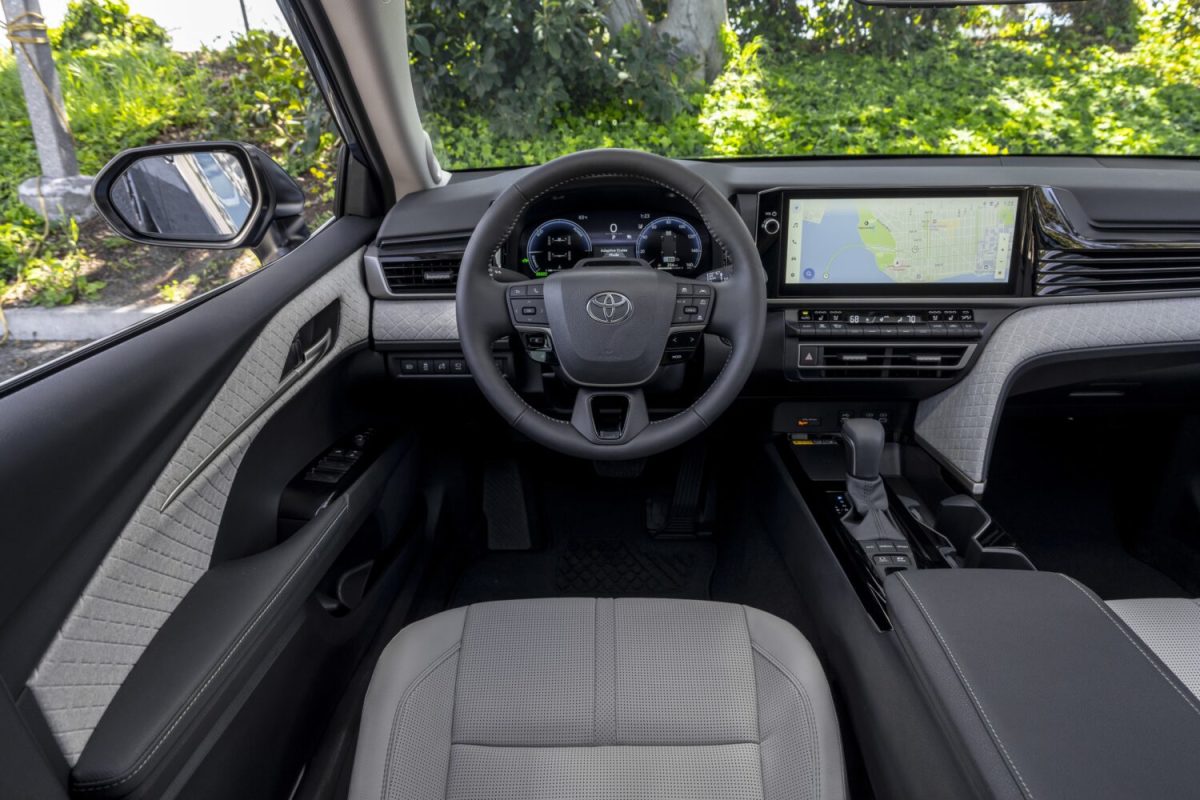
The Hybrid Recall
Kilmer’s biggest concern references a real safety campaign affecting early production Camry Hybrids. Toyota recalled roughly 55,000 units of the 2025–2026 Camry and Corolla Cross Hybrids due to an improperly torqued bolt inside the hybrid inverter assembly. The defect could cause loss of motive power or, in extreme cases, a fire risk if electrical contact fails. Toyota confirmed owners would be notified once a repair remedy becomes available, with fixes performed free of charge.
The issue ultimately stems from supplier manufacturing equipment rather than a flaw in Toyota’s hybrid design, though Kilmer criticized North American Camry production in Kentucky instead of Japan. His concern reflects a wider industry trend, as automakers expand U.S. manufacturing to offset tariffs and keep pace with booming hybrid demand, placing greater pressure on regional quality consistency.
Even so, Kilmer’s criticism doesn’t undermine his purchase; he still considers the 2026 Camry one of the few modern cars worth buying new, viewing its shortcomings as evidence of the growing tension between Toyota’s durability-first reputation and an industry increasingly shaped by electrification, regulation, and globalized production.