Recalls Aren’t Always a Red Flag
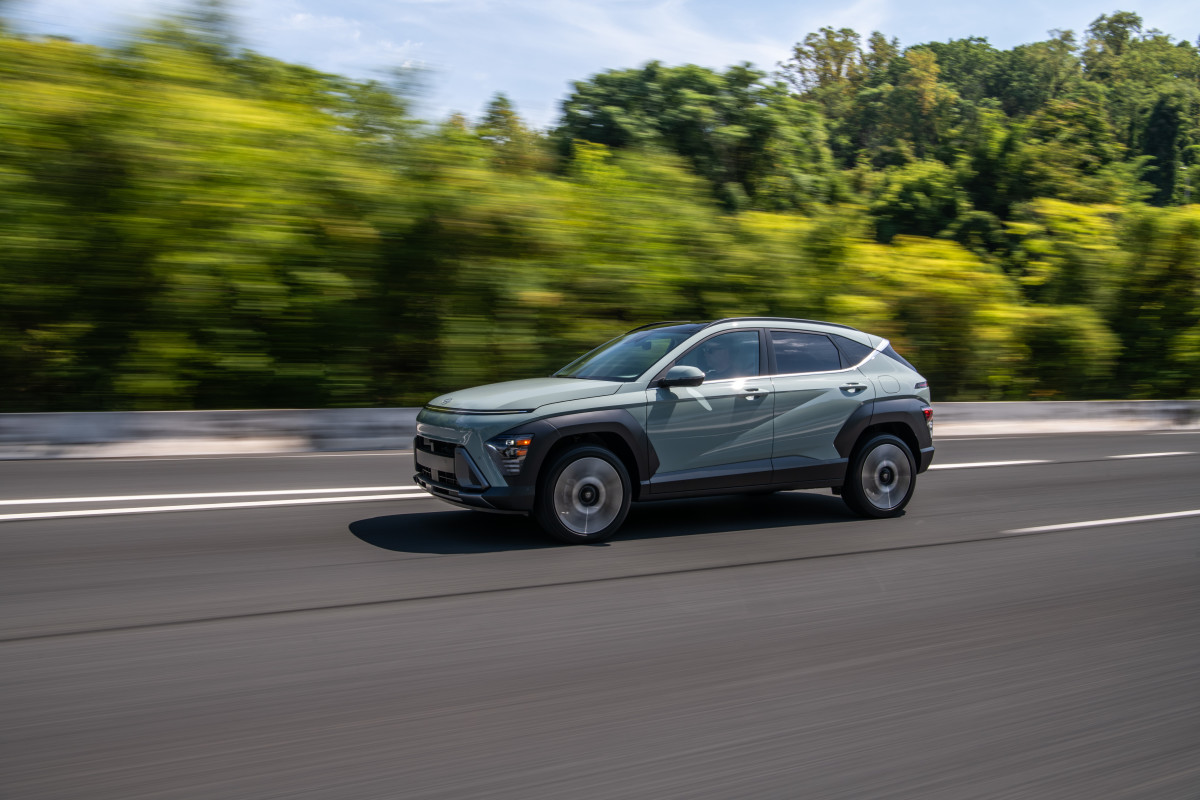
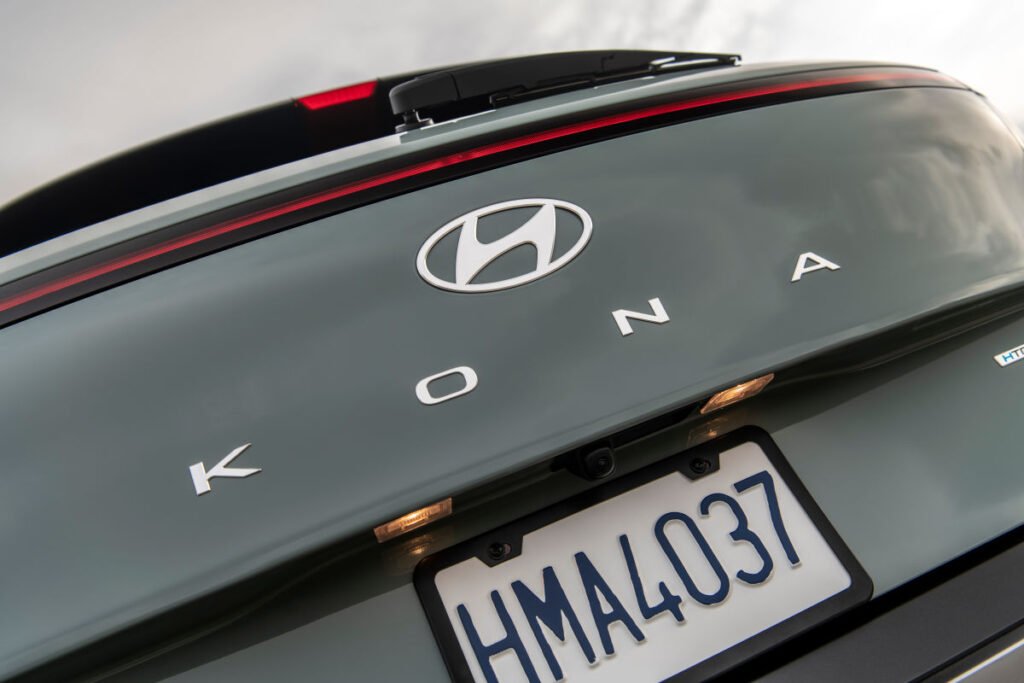
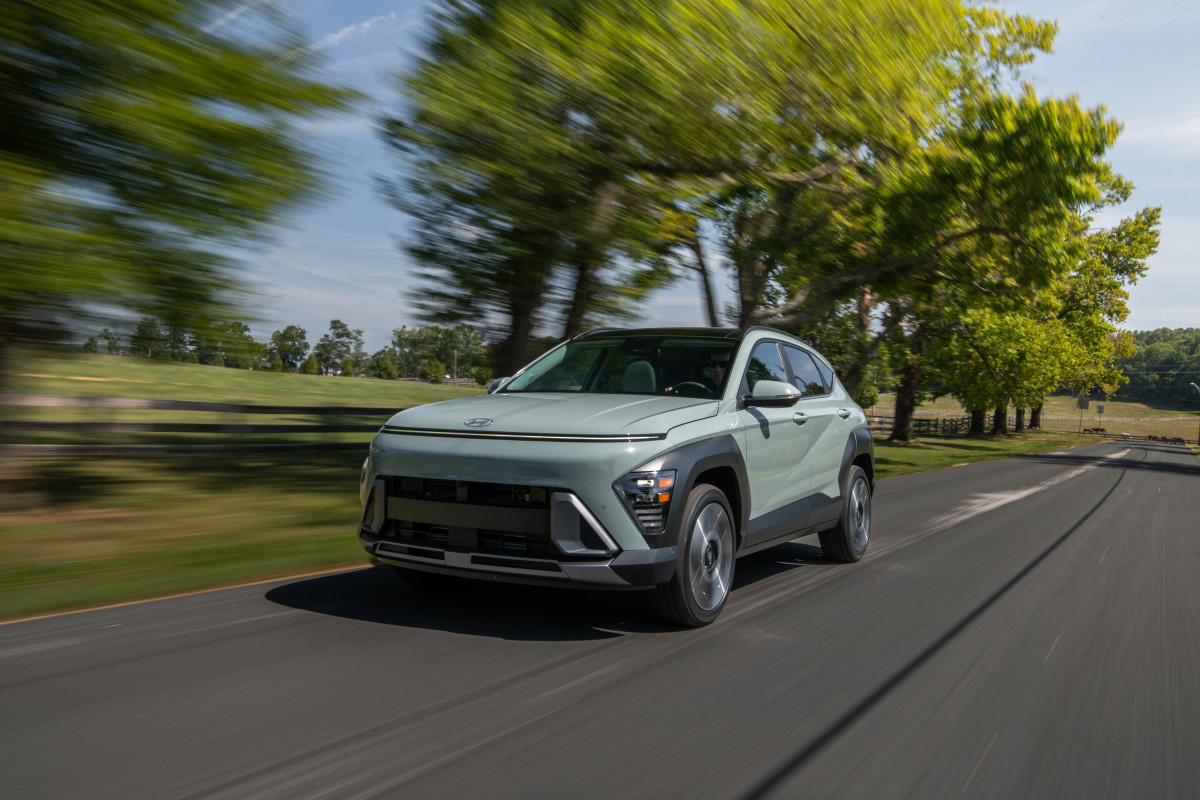
Recalls usually make headlines, but they’re not always a sign that something’s gone wrong behind the scenes. More often, they show how quickly carmakers respond when they spot a potential safety risk. That’s exactly what’s happening with Hyundai’s latest recall for the 2026 Kona.
According to the recall report published by the National Highway Traffic Safety Administration (NHTSA), Hyundai traced a possible defect to a small production run built late in 2025. Instead of waiting for field reports, the company issued a recall after an internal investigation flagged a potential risk.
What Owners Need to Know
The recall covers just over 4,000 Konas in the US, so it’s not a large number. Still, since the part in question is key to steering, Hyundai isn’t taking any chances – even though there haven’t been any crashes or injuries tied to the problem.
The issue centers on the front steering knuckle assemblies – the parts that link the suspension and steering, and take a beating during sharp turns or rough roads. Hyundai found that a batch may have been cast incorrectly after routine maintenance caused mold contamination.
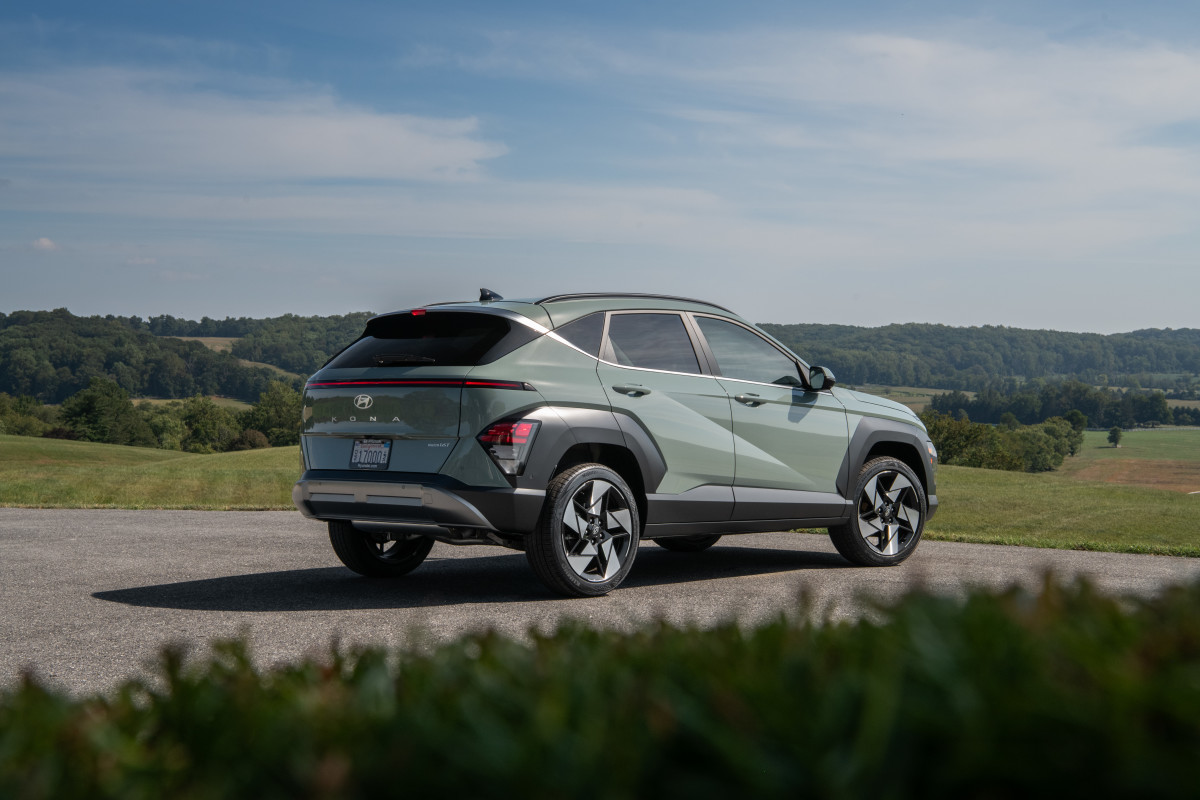
Over time, the defect could allow cracks to form under stress. In extreme cases, the knuckle could result in a loss of steering control and an increase in crash risk. The affected vehicles are gasoline-powered 2026 Hyundai Kona models built between October 31, 2025, and December 22, 2025, totaling 4,555 units in the US.
Owners will need to bring their Kona to a Hyundai dealer, where technicians will check if the steering knuckles are from the affected batch. If they are, the parts get swapped out for free – no matter the warranty status. Hyundai has already started reaching out to dealers and owners, and you can check your VIN online.
Land Rover Had a Similar Issue Last Year
Of note, Hyundai points out that the replacement parts are from batches that didn’t have the problem, so this isn’t a design flaw – just a hiccup in one production window.
Hyundai isn’t the only brand under the microscope for steering issues. Just last year, Land Roverfaced a similar situation when the NHTSA started looking into almost 92,000 Range Rover Sport SUVs after owners reported broken aluminum steering knuckles. Investigators said the failure could hurt handling and raise crash risk – a concern that sounds a lot like what Hyundai is dealing with now.