As Chinese automakers are aggressively expanding in the European market–their share doubled to over 6% in 2025 compared to the previous year–established local automakers are finding it increasingly difficult to compete, particularly in the electric and plug-in hybrid vehicle segments.
That’s because Chinese vehicles typically offer electrified vehicles at price parity with conventional cars, thanks to more cost-effective supply chains for battery technology made possible by Chinese state subsidies.
Stellantis, which has a big presence in Europe through its many French, Italian and German brands, has found an interesting way to respond to the Chinese expansion. In a move that few anticipated, Stellantis is bringing back diesel versions of some of its models in Europe to better compete against Chinese rivals.
“Sustained Customer Demand” For Stellantis Diesels
Stellantis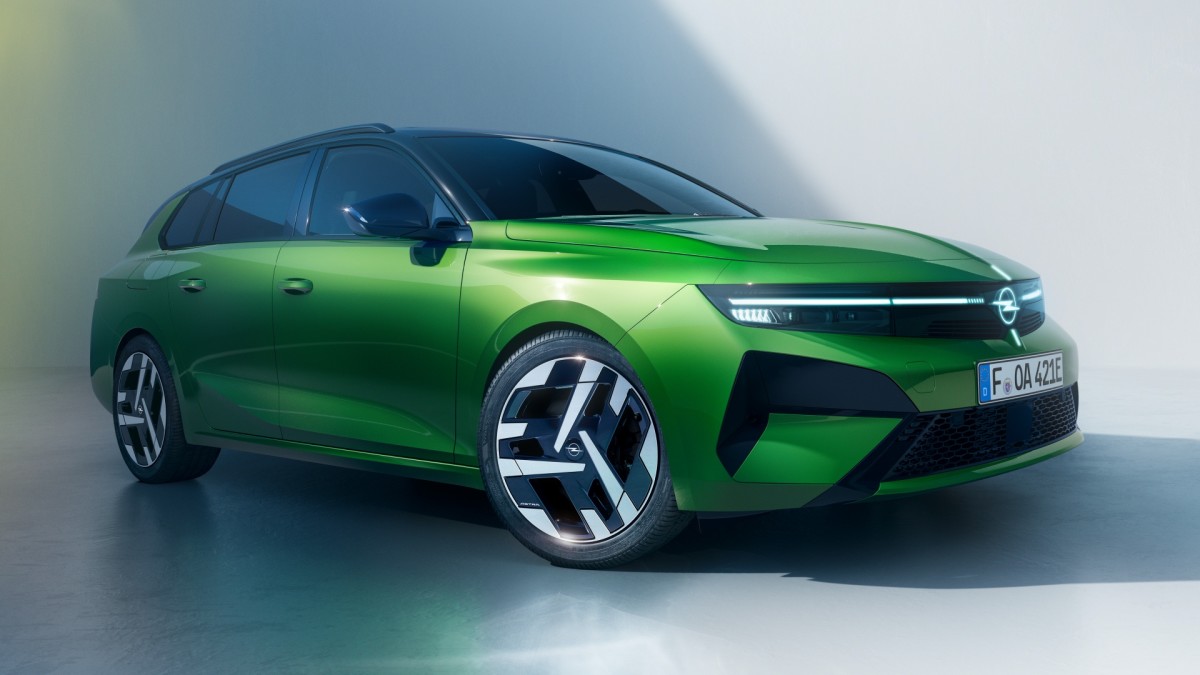
“We have decided to keep diesel engines in our product portfolio and—in some cases—to increase our powertrain offer,” Stellantis said. “At Stellantis we want to generate growth, that’s why we are focused on customer demand.”
Starting in late 2025, Stellantis began reintroducing diesel engines on models ranging from passenger cars to vans across the Peugeot, Citroën, DS and Opel brands. According to company statements and dealer listings reviewed by Reuters, models like the Peugeot 308 and DS 4 compact hatchbacks, as well as the Opel Combo, Peugeot Rifter, Citroën Berlingo and Fiat Qubo L small vans, are offering diesel engine options again.
Furthermore, the Opel Zafira, Peugeot Traveller and Citroën SpaceTourer minivans have received a new 2.2-liter diesel version this month in Europe in addition to the existing all-electric powertrain.
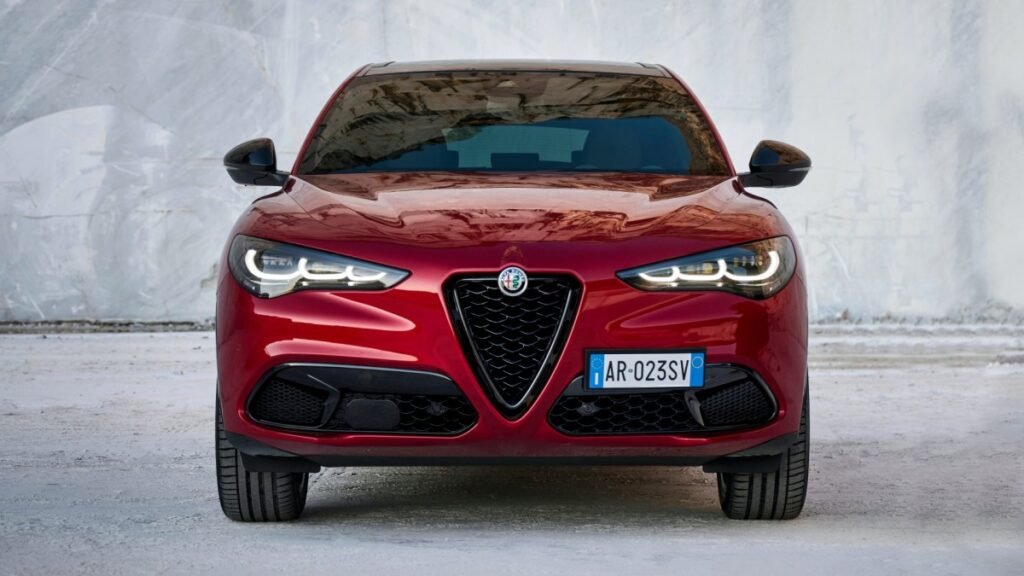
In addition to the aforementioned models that are getting diesel options again, Stellantis said in a statement that it will also continue producing diesel-powered models such as the DS 7 SUV, Alfa Romeo Tonale and Stelvio SUVs, and Alfa Romeo Giulia sedan “in response to sustained customer demand.” The Fiat brand also offers the Tipo budget family car with a diesel engine.
Why Diesel Makes Sense Again In Europe
S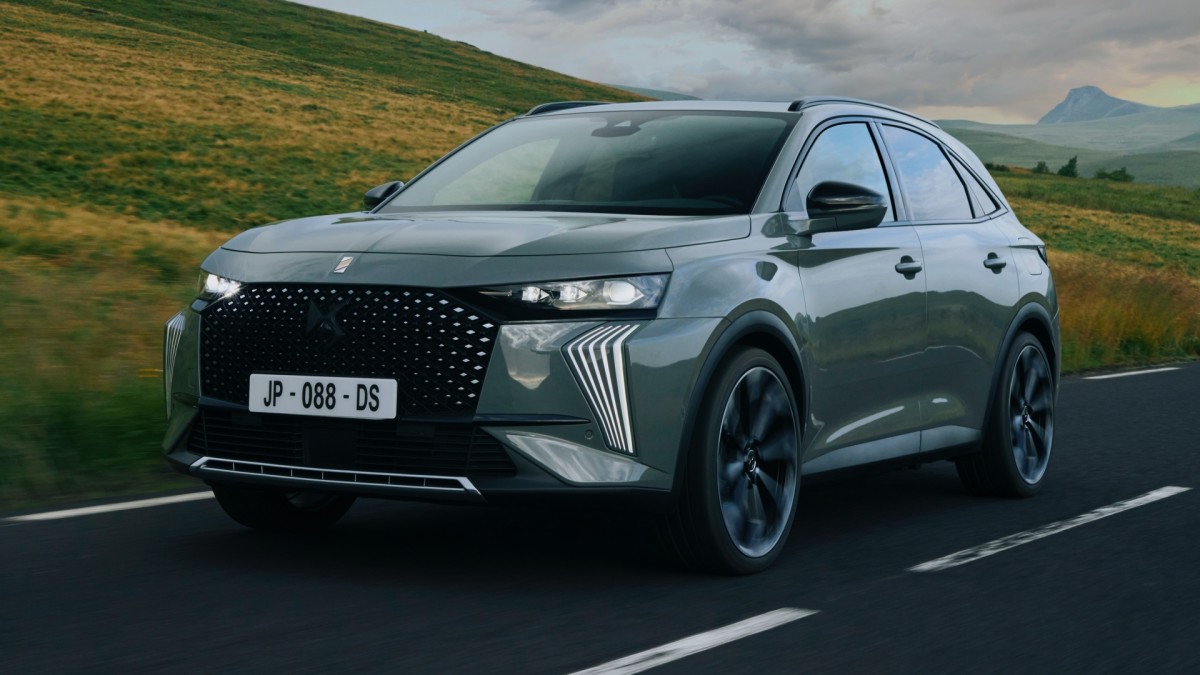
While Stellantis had previously signaled a shift away from diesel, the company is now backtracking on its previous electrification commitments amid slower-than-expected EV sales in Europe and softened emission rules that previously threatened to phase out combustion engines by 2035.
Under its “Dare Forward 2030” strategic plan announced in March 2022, Stellantis targeted producing only electric vehicles in Europe by 2030; the company abandoned that goal last year.
The new market conditions allow Stellantis to offer a broader powertrain mix to compete with rivals, including Chinese brands which do not offer diesel engines at all. Reintroducing diesels also makes sense because vehicles powered by these engines are much more affordable than all-electric cars.
Only a decade years ago, diesel engines made up at least 50% of new-car sales in Europe, but ever since the Volkswagen Dieselgate emissions scandal, diesel vehicle sales have been declining abruptly. In 2025, diesel vehicles made up just 7.7% of new-car sales across the continent, according to data from European car lobby group ACEA; the share of fully electric cars’ was 19.5%.