Toyota has been criticized in recent years by EV advocacy groups and EV fans alike for not going all-in on electric vehicles, but the automaker has remained steady in its balanced approach of offering a diverse range of powertrains tailored to customer needs and regional infrastructure.
Basically, Toyota chose not to put all its eggs in the same basket, offering gas-powered, hybrid (HEV), plug-in hybrid (PHEV), battery electric (BEV) and fuel cell vehicles (FCEV) at the same time to please all customers in all markets.
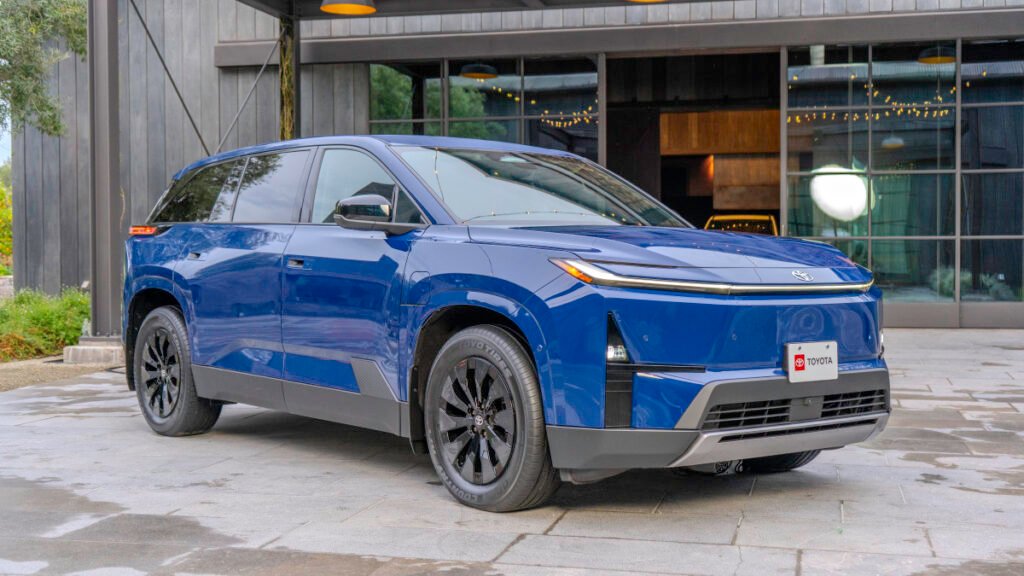
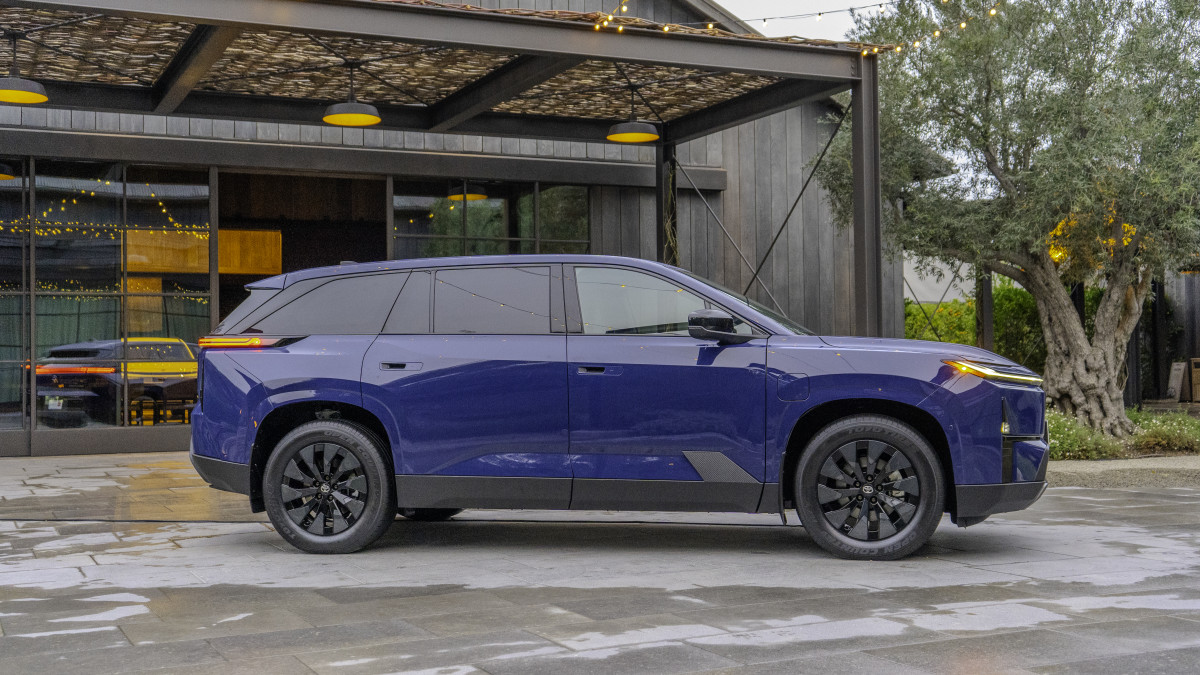
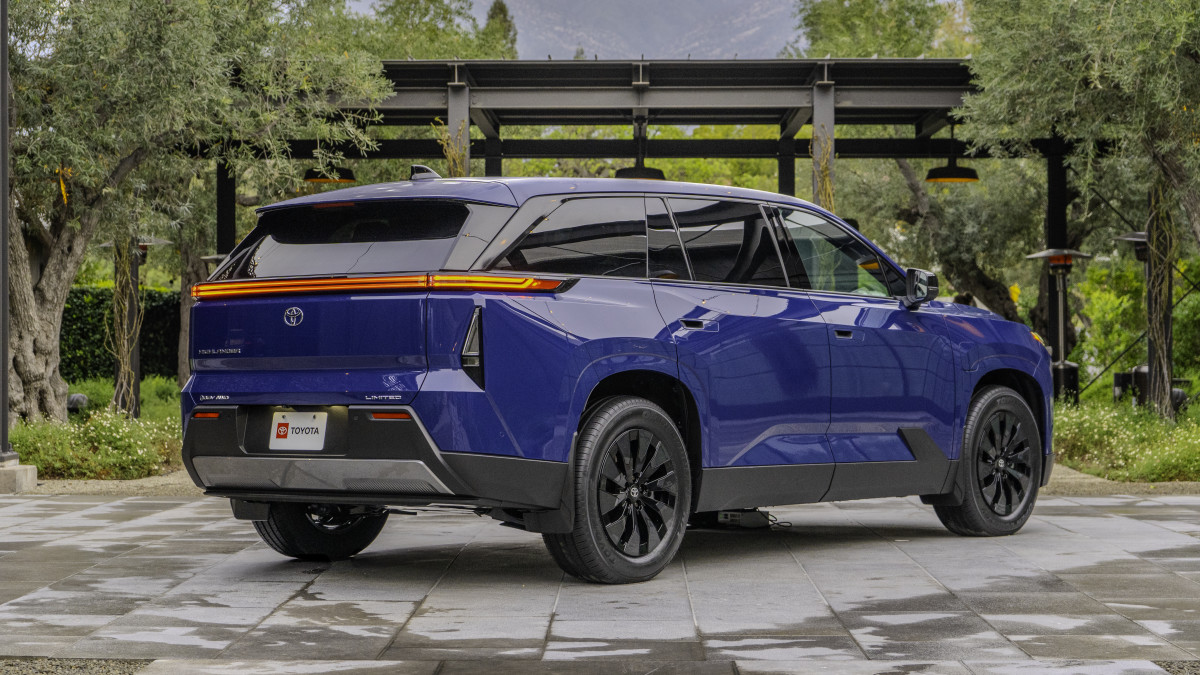
That’s why it came as a surprise for many that the next-generation Toyota Highlander midsize crossover SUV, one of the brand’s best-selling SUVs in the U.S., is going BEV-only. Yes, there won’t be a hybrid, plug-in hybrid or gas-powered 2027 Highlander; battery electric will be the only choice for customers.
Highlander EV Goes For A Gap In The 3-Row Midsize Electric SUV Market
Cole Attisha
Despite the fact that the EV market is unstable at the moment, Toyota believes it is the right time for such a move as there aren’t that many all-electric three-row midsize crossovers currently on sale, and one of the most popular–the Tesla Model X–is going away by mid-2026.
At least that’s the gist of what Toyota Motor North America Group vice president, Dave Christ, recently told Automotive News, without naming any of the 2027 Highlander’s rivals. Come to think about it, the fact that Toyota gave its all-electric crossover SUV the iconic Highlander name suggests that it has a lot of confidence it will be a commercial success.
“This is not a niche product. There will be volume. Other [mass-market] brands have been selling EVs in higher volume than us for several years, and we think we felt one of our portfolio holes was not having EV options in the showroom,” Christ told the publication.
EV Market Slowdown Does Not Discourage Toyota
Cole Attisha
This is an interesting statement, especially when looking at Tesla Model X sales, which saw a 34% decline last year to 13,066 units. While it can be argued that Model X sales dropped in part because the vehicle now in its 11th year, the current market conditions clearly aren’t favorable to all-electric models.
Last year, the Trump administration ditched the $7,500 EV federal tax credit and rolled back stringent CAFE (Corporate Average Fuel Economy) standards, which means that automakers aren’t incentivized anymore to launch new EVs.
Yet Toyota seems to be unfazed by that. “Yes, [EV sales are] down after the federal incentives went away, but we think that we deserve our fair share of the EV market that’s there, and these four cars will help us do that,” Christ told AN.
The four cars he referred to are the 2027 Highlander, the C-HR subcompact crossover, the bZ compact SUV, and the bZ Woodland, essentially a long-wheelbase version of the bZ.
The Grand Highlander Is Not Going All-Electric
Kristen Brown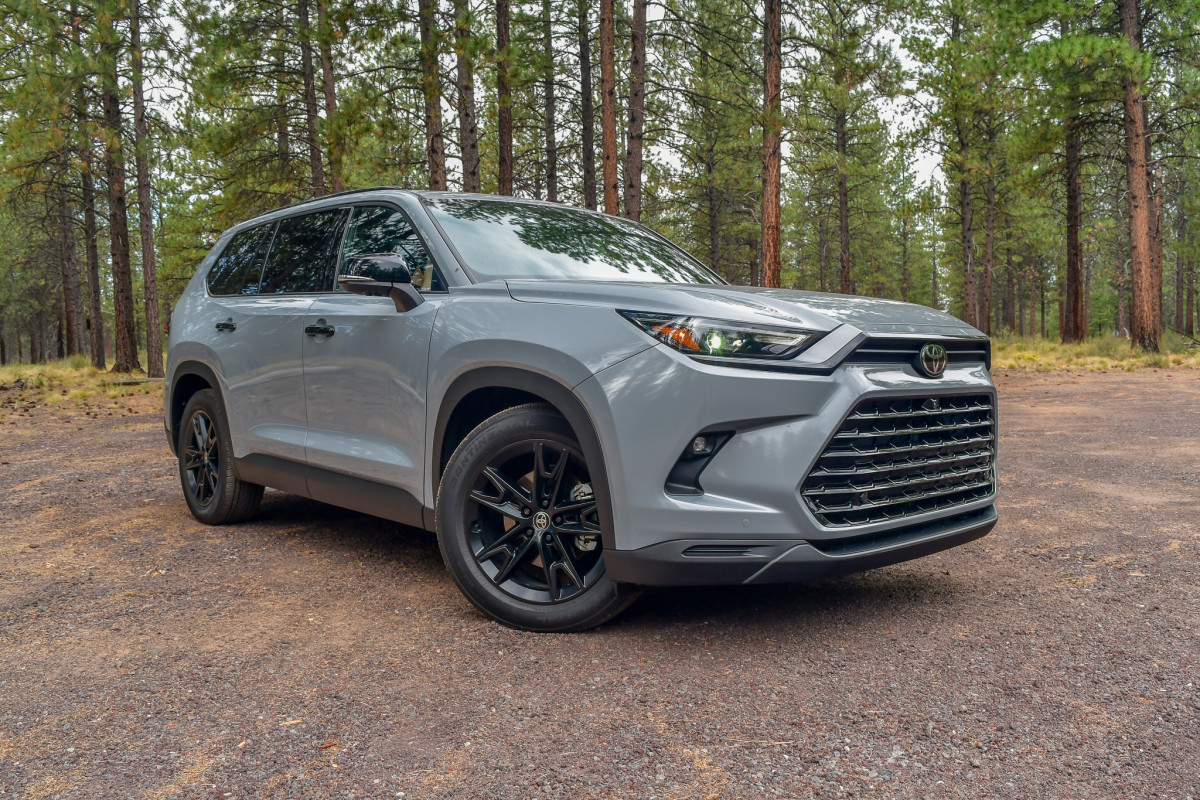
Mind you, Toyota is not playing Russian roulette with the Highlander nameplate. The current Grand Highlander, which is slightly larger and less expensive than the Highlander, will continue to be available with gas and hybrid powertrains.
That way, Toyota is ensuring that if the Highlander EV doesn’t end up to be successful, it will still have a strong footing in America’s traditional three-row midsize SUV market with the Grand Highlander.
Currently, the Grand Highlander is way more popular than the Highlander with 2025 U.S. sales of 136,801 units (up 90.7%) versus 56,208 units (down 37%). So in the end, taking the Highlander all-electric is a calculated risk rather than a wild bet from Toyota.