The Takata airbag saga is one of the largest automotive recalls ever, affecting multiple mainstream brands and millions of vehicles. Since an initial Honda recall in 2008, a staggering 67 million Takata airbags have been recalled. Of those, 6.6 million airbag inflators have been replaced in Stellantis vehicles alone, but the automaker has said this week that around 225,000 affected vehicles remain unrepaired. As a result, Stellantis has warned owners of affected models not to drive their cars until the airbags can be replaced. Here’s everything you need to know about the new “do not drive” warning, impacted models, and the risks involved with the problematic airbags.
Related: Feds Issue Warning Regarding Defective Aftermarket Airbags
Multiple Dodge and Jeep Models Still Need Repairs
D
Several Stellantis models with open and unrepaired Takata airbag recalls are involved in the “do not drive” warning. Here’s the full list of models:
- 2003-2010 DodgeRam
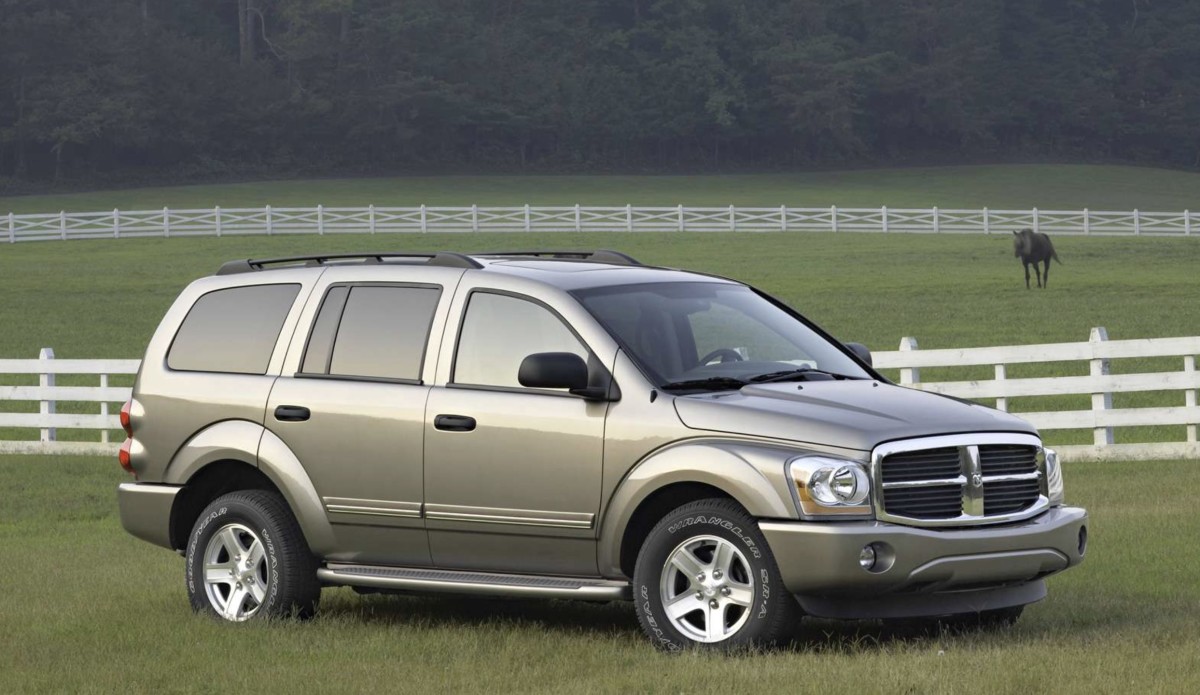
- 2004-2009 Dodge Durango
- 2005-2011 Dodge Dakota
- 2005-2008 Dodge Magnum
- 2006-2015 Dodge Charger
- 2007-2009 Chrysler Aspen
- 2008-2014 Dodge Challenger
- 2005-2015 Chrysler 300
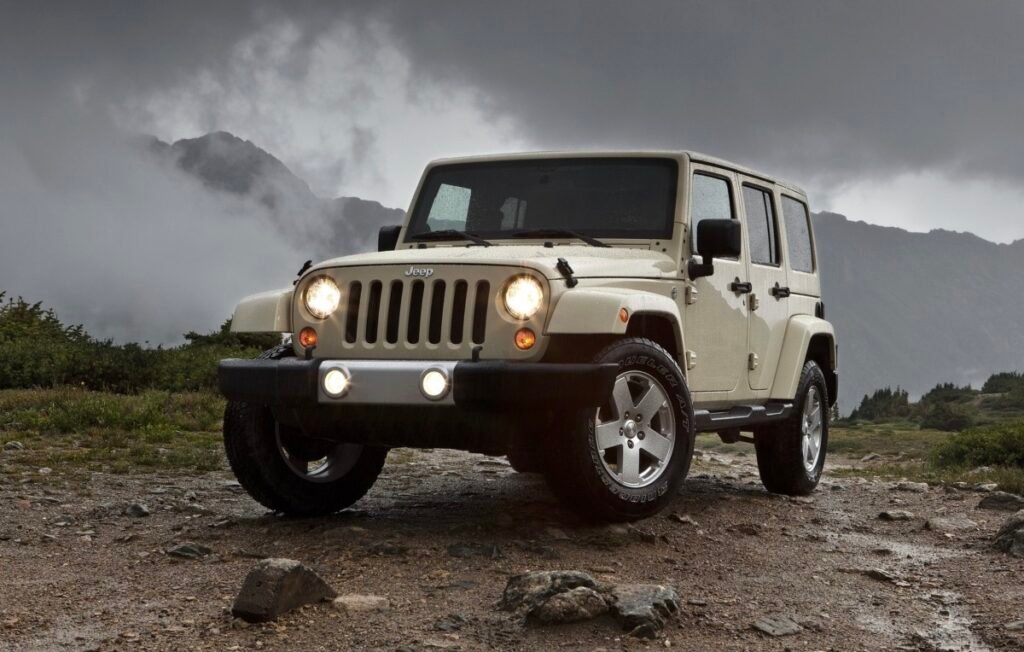
- 2007-2016 Jeep Wrangler
- 2006-2009 Mitsubishi Raider
The National Highway Safety Administration (NHTSA) urges owners of these vehicle to check if an open Takata airbag recall is relevant to them. This can be done on the NHTSA website by using the supplied recall numbers. Customers can also contact their closest dealership or call the Stellantis customer service hotline on 833-585-0144.
The defective airbags will be replaced at no cost to customers.
What’s Wrong With Takata Airbags?
Dodg
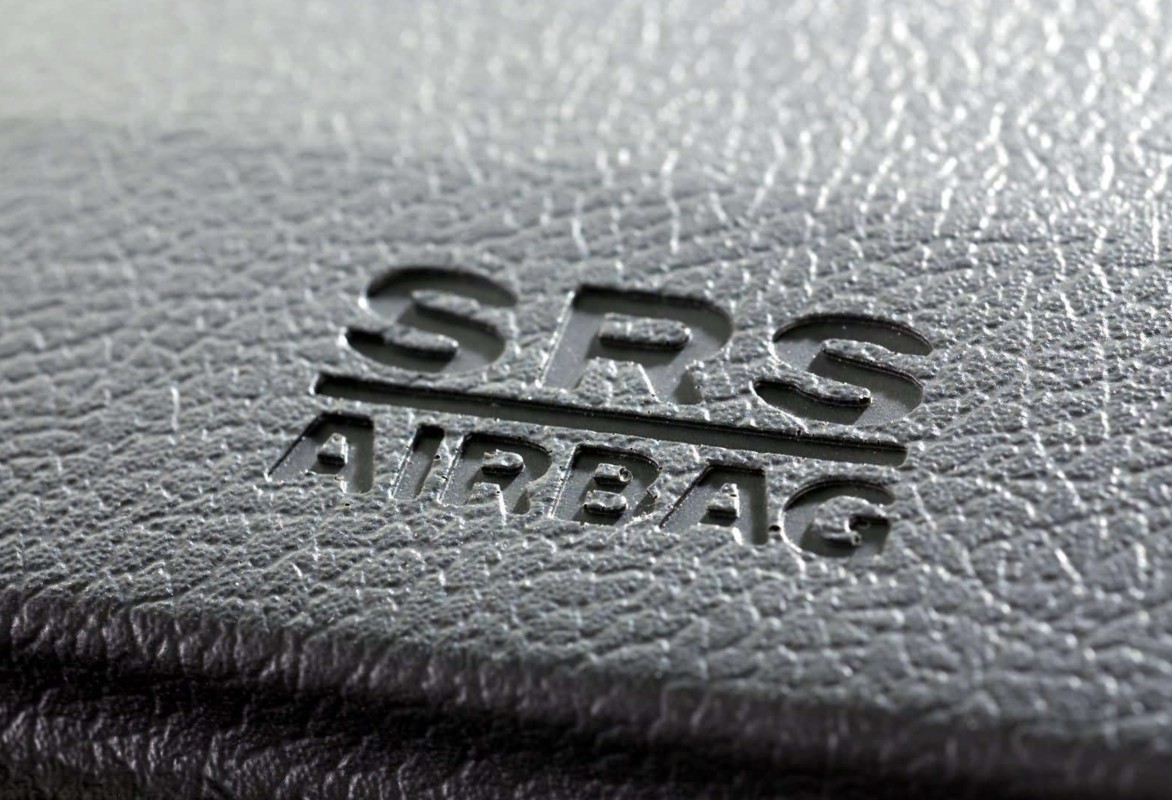
According to the NHTSA, long-term exposure to heat and humidity can cause defective Takata airbags to explode when deployed. This releases metal shrapnel into the vehicle cabin with excessive force, which can seriously injure or even kill occupants. The NHTSA has confirmed that 28 people have been killed by defective Takata airbags in the United States, with a further 400 having been injured.
Older vehicles are more vulnerable, since their original airbags would have been more affected by heat exposure over time. Another high-risk group would be people living in hotter and more humid regions such as Florida, Mississippi, and Texas. However, even if your car is newer and you live in a colder region, the risk of a failing airbag still exists.
Why It Matters
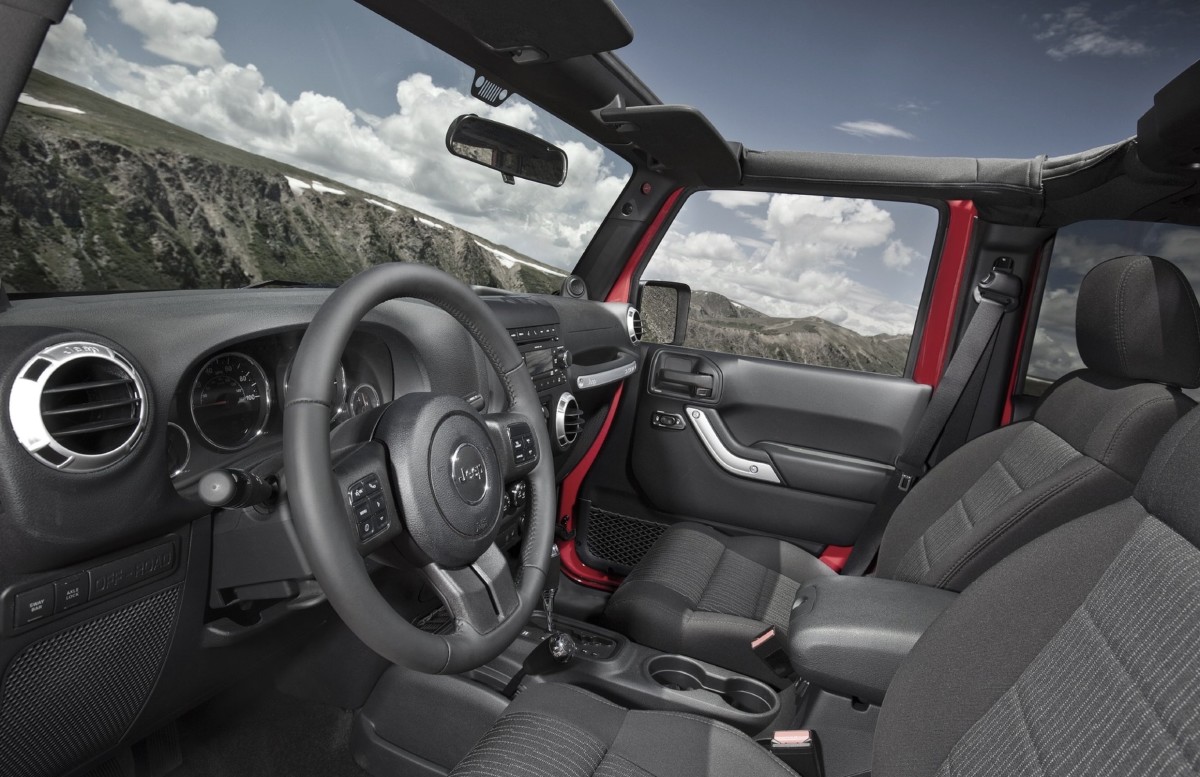
Jeep
Automakers only issue “do not drive” warnings when the risk to vehicle owners and passengers is especially high. Honda did the same for certain models equipped with these airbags in 2023, saying then that some Takata inflators can fail at rates as high as 50%.
We urge all owners of Stellantis vehicles listed above to take the warning seriously and avoid driving your car until the airbags can be inspected and replaced. If you don’t own a Stellantis vehicle, the NHTSA has also published a more complete list of affected vehicles from other brands that also have “do not drive” warnings.