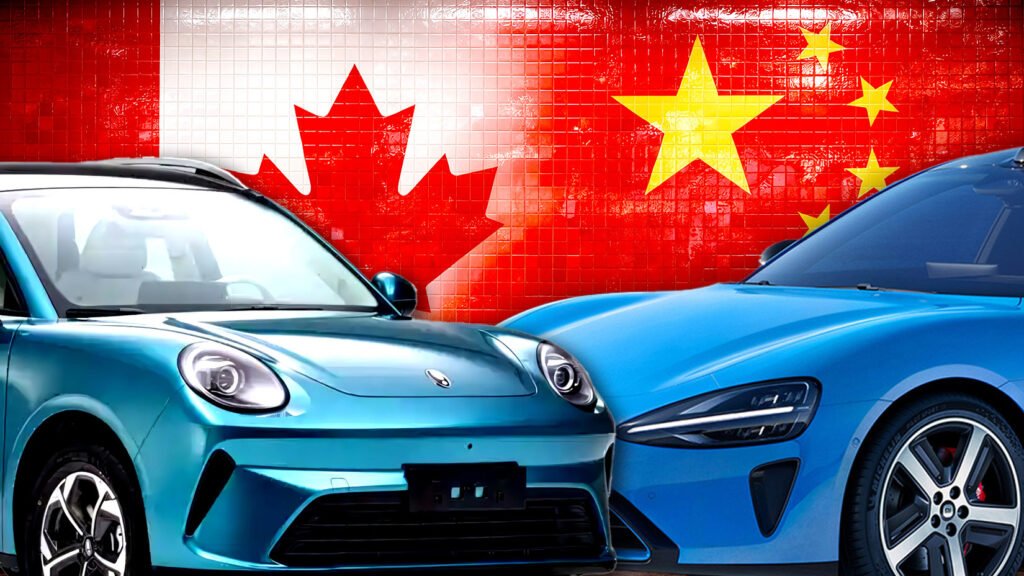
- Canada cut Chinese EV tariffs from 100% to 6.1% in new deal.
- Initial cap set at 49,000 vehicles, with future growth to 70,000.
- Nearly half of new EVs expected to cost under $35k CAD to start.
A new trade agreement has cracked the door open for electric vehicles from China to officially re-enter the Canadian market. In exchange, the People’s Republic is easing up on tariffs for Canadian agricultural exports, especially canola. Yes, your future EV might be indirectly powered by salad oil diplomacy.
Cheap, tech-packed, and improving at a scary pace, Chinese EVs are terrifying North American automakers and fascinating savvy car buyers, and they haven’t even landed yet, kept out by tariffs and political caution.
Related: China Is Ready To Start Building Cars In Canada
This new agreement changes the vibe. Canada gets more affordable EV options because the tariff rate is being cut from 100 percent to 6.1 percent.
The initial annual import cap is set at 49,000 vehicles, or one third of the car market, but could grow to 70,000 annually five years from now. And crucially, around half of the volume is expected to cost less than $35k CAD ($25k).
Compact Contenders and Budget Picks
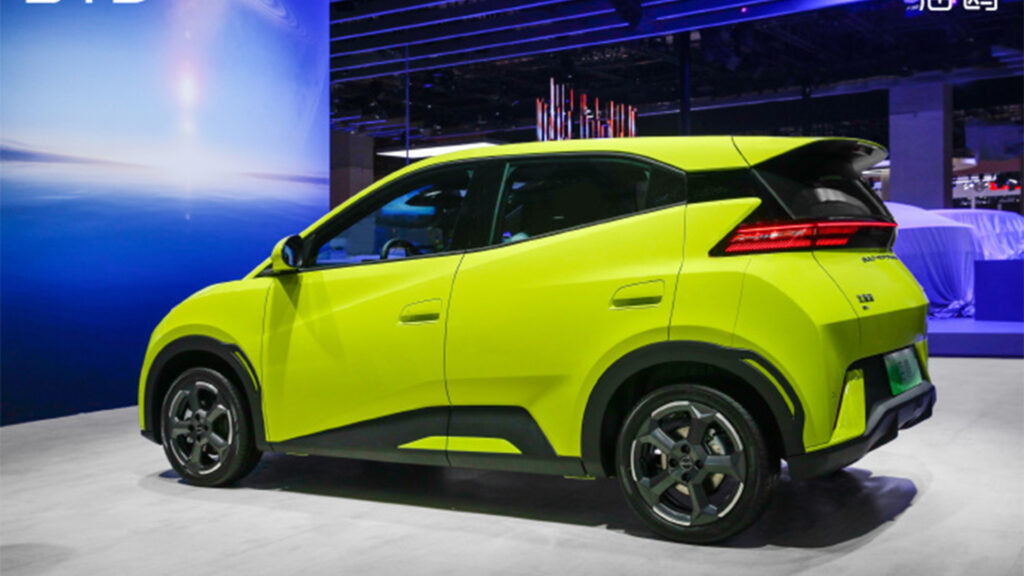
But what would you buy? If price is king, the tiny BYD Seagull, sold in some markets as the Dolphin Surf, could be the ultimate city runabout. Sure, it looks about the size of a carry on suitcase with headlights, and Canadian winters are not exactly minicar friendly.
QOTD: What Car Repair Made You Wonder If Engineers Ever Touch The Cars They Design?
However, if the goal is getting more people into affordable EVs, this little hatch and its bigger Dolphin brother could be game changers for urban commuters.
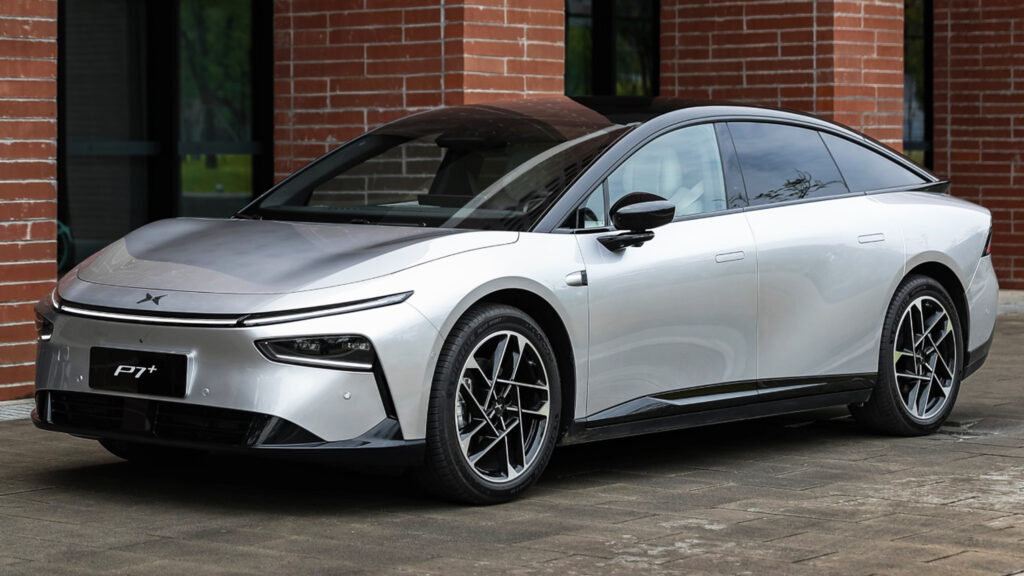
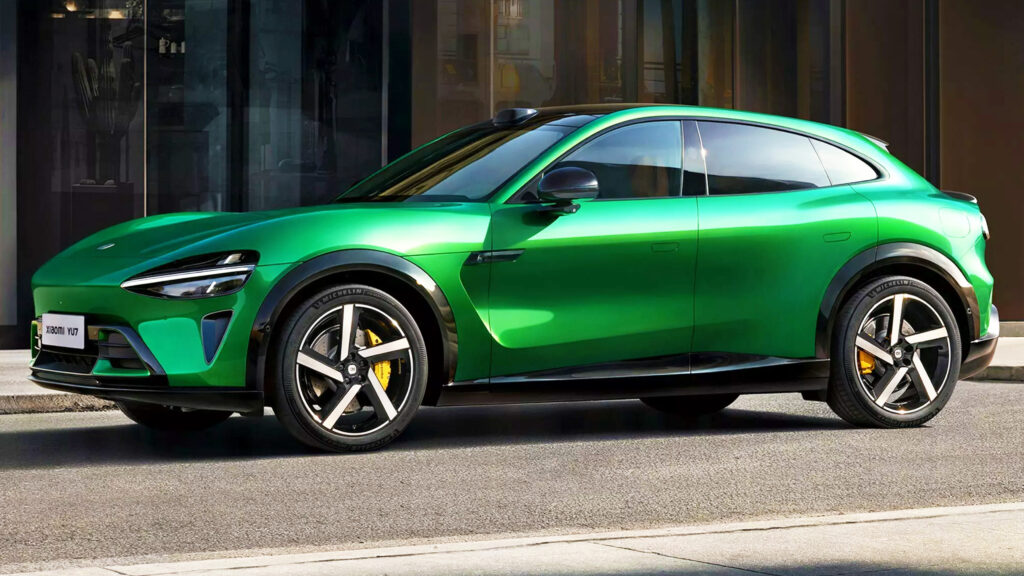
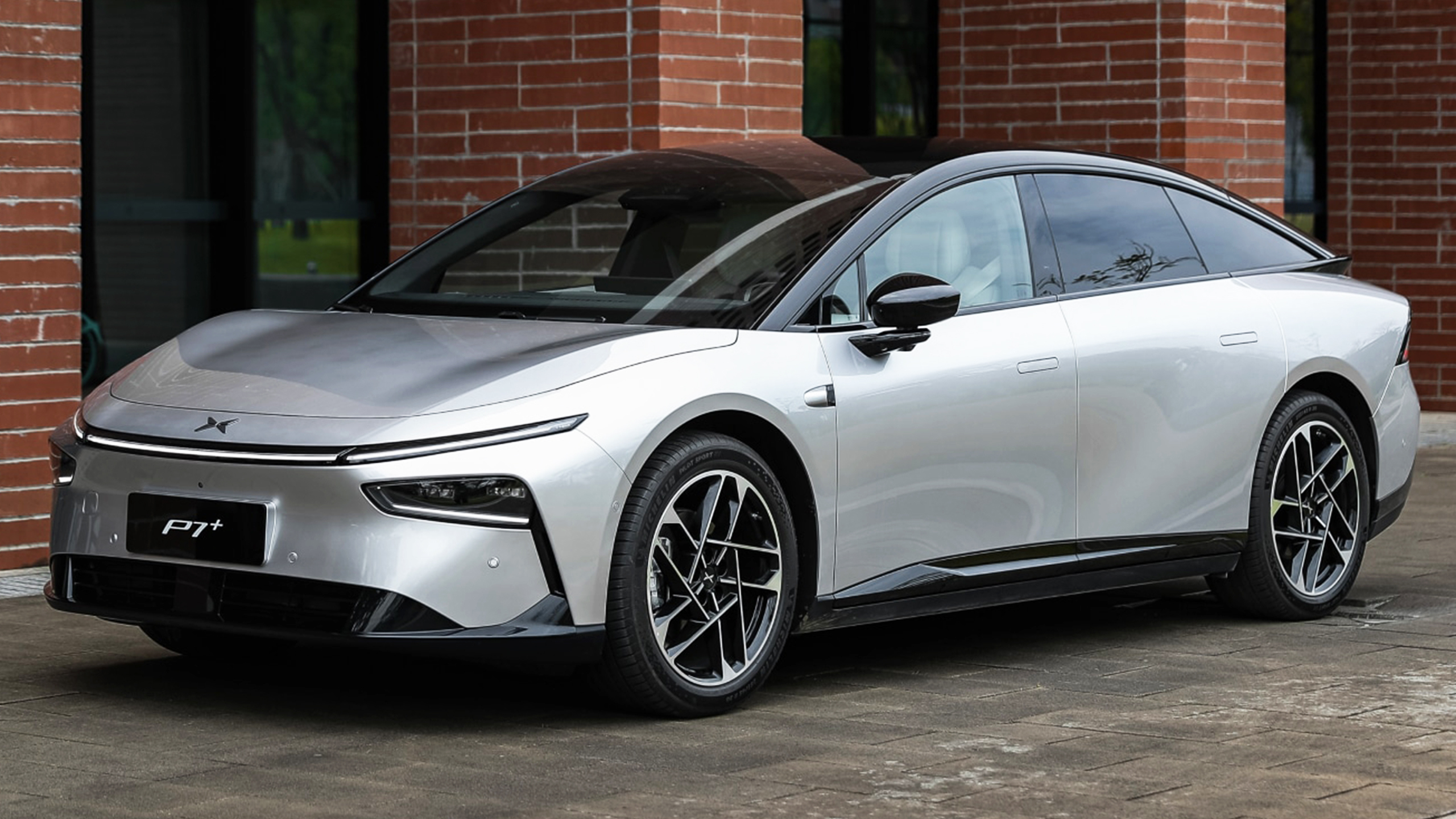
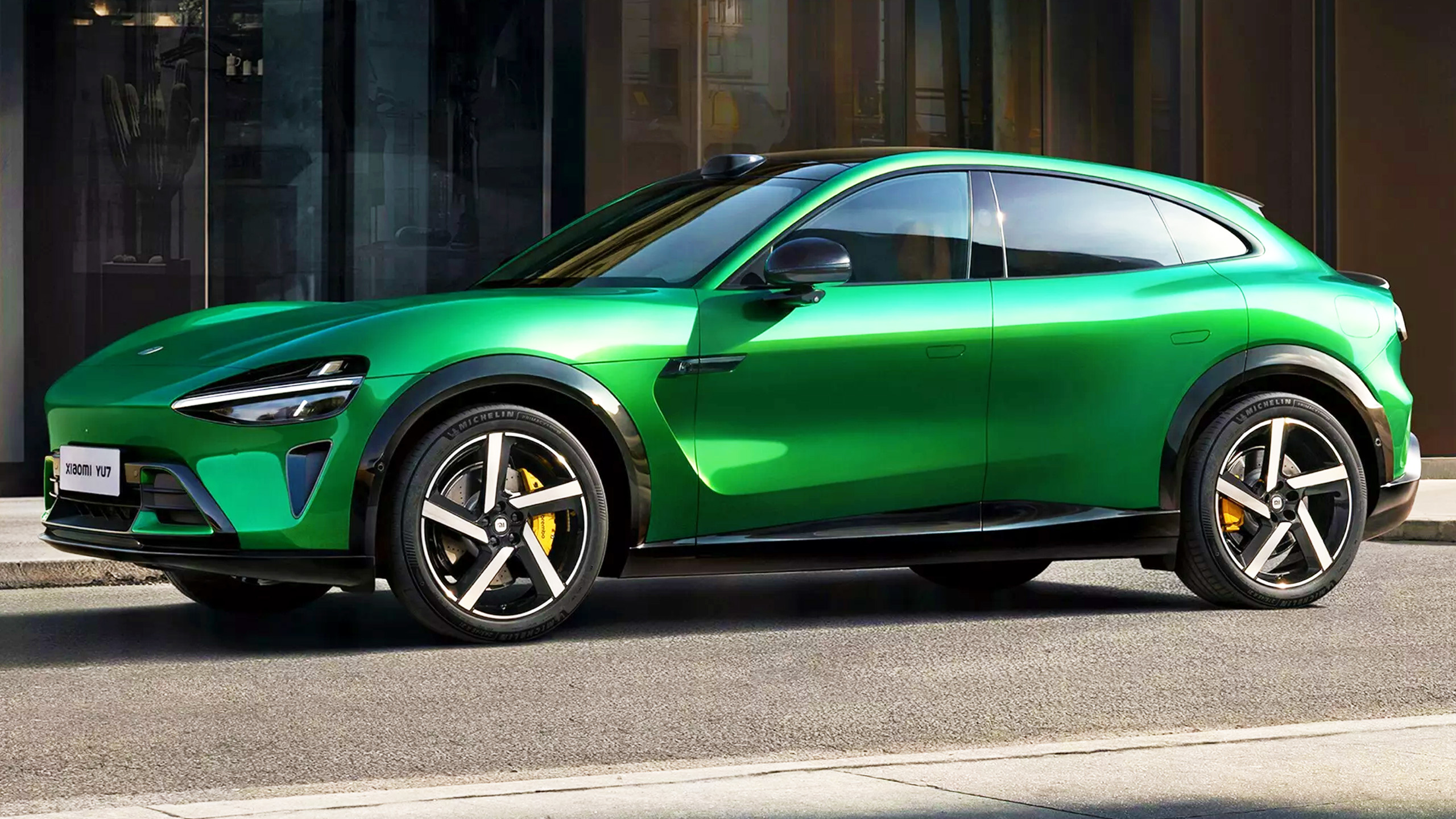
Sedan fans looking for some style, will be hoping Xpeng’s P7+ (seen above) gets an invite, but if you’re determined to blow past that $35k budget you’ve surely got to be rooting for the Xiaomi SU7 sedan and YU7 SUV.
These are the cars that make traditional brands nervous and car nerds very curious. Ford CEO Jim Farley daily-drove an SU7 specially imported for him and his team in 2024 and described it as “fantastic,” telling an interviewer “I don’t want to give it up.”
Another possibility? Western brands already building China-only models, like Mazda’s EZ-6 sedan that’s priced from around $20,000 in China, the Toyota bZ7 sedan, or Nissan’s NX8 crossover. If the import gate opens wide enough, these could sneak through too.
Answers Needed

Of course, there will be questions about service networks, long term reliability, and how these brands fit into Canada’s market. But purely from a car geek perspective, the idea of suddenly having access to this whole new wave of EVs is kind of exciting.
So Canadians, if these cars start showing up in showrooms, which one are you signing for? And if you are reading from elsewhere, play along. If you did live in Canada, what Chinese EV would be on your driveway?