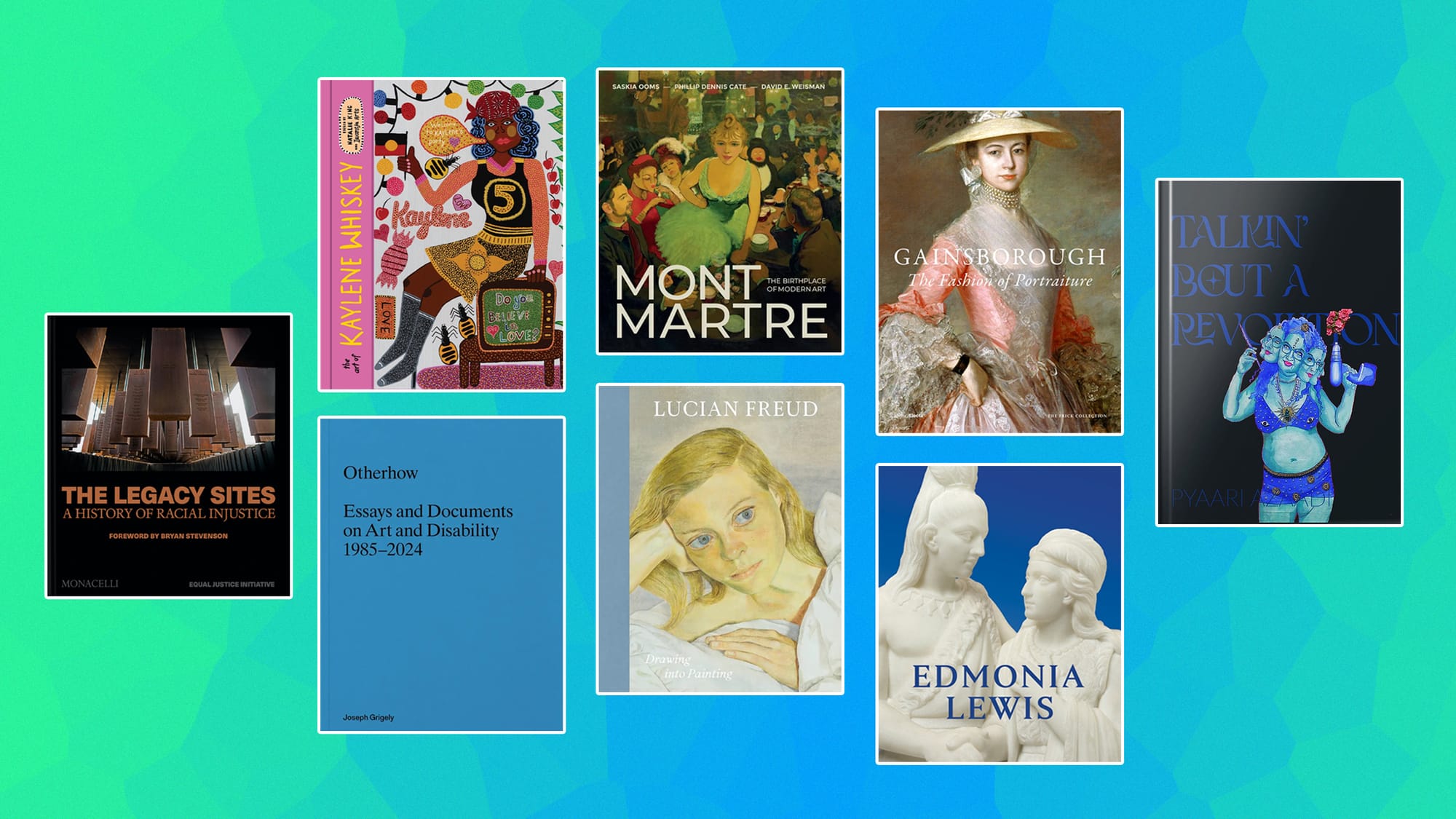
Sometimes it takes a book to remind us of how all-encompassing art can be. Or a few books. The 10 below span centuries, countries, and topics — the birth of modernism in 19th-century Montmartre, the shaping of the internet from the sexual margins, the warm embrace of Pyaari Azaadi’s art world, to name a few. What connects it all is an investment in creative production, and how it can enrich the world and promote different perspectives. While publications by the Equal Justice Initiative and artist Joseph Grigley powerfully resist racism and ableism, respectively, artists Kaylene Whiskey and Edmonia Lewis, both trailblazing women of color, have brought beauty into the world — and we all need more of that in our lives right now. —Natalie Haddad, reviews editor
Talking’ Bout a Revolution: Pyaari Azaadi | Pen + Brush, January
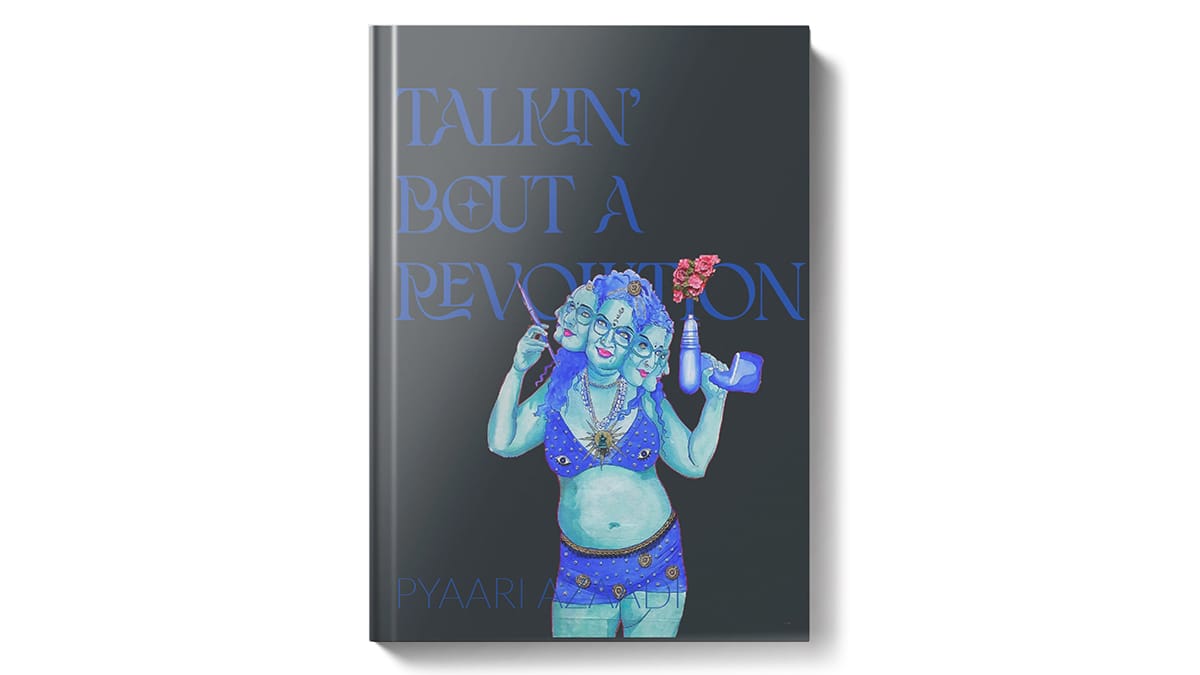
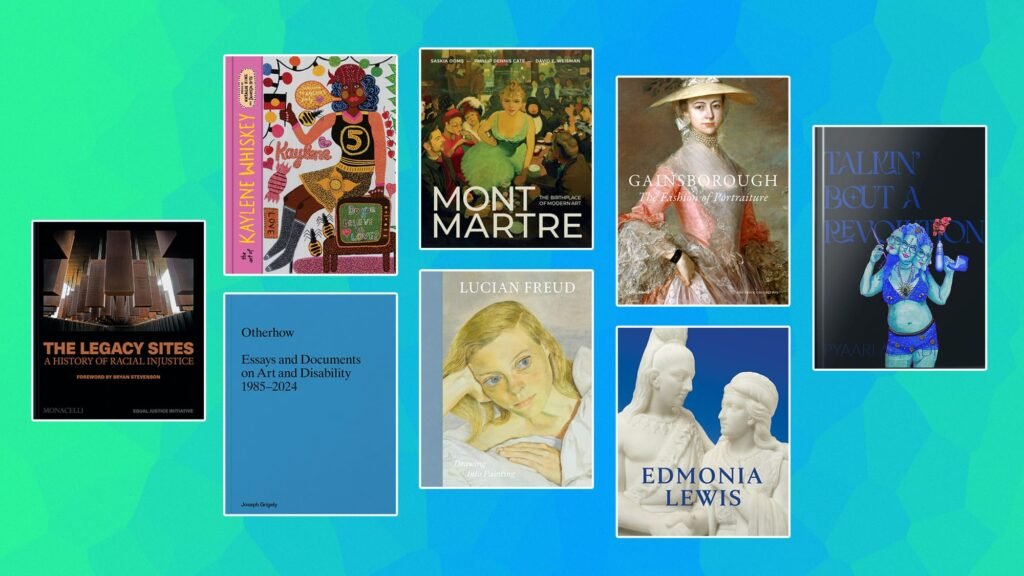
The opening night of Talkin’ Bout a Revolution at Pen + Brush — featuring a drag performance by the iconic LaWhore Vagistan — felt like a homecoming for Pyaari Azaadi. The artist welcomes visitors into her decades of activism and art-making in New York City across this resplendent show. As fascism tightens its grip around the world, including in India, the accompanying catalog is a vital companion and an antidote to despair. In its pages, you’ll find vulnerability and strength of the rarest kind from Hyperallergic Editor at Large Hrag Vartanian; an ode to Azaadi’s beloved former studio by critic Anuradha Vikram; and a survey of her community-rooted, anti-caste artworks by journalist Yashica Dutt, among other generous essays. —Lakshmi Rivera Amin
Montmartre: The Birthplace of Modern Art by Phillip Dennis Cate, Saskia Ooms, and David E. Weisman | Giles
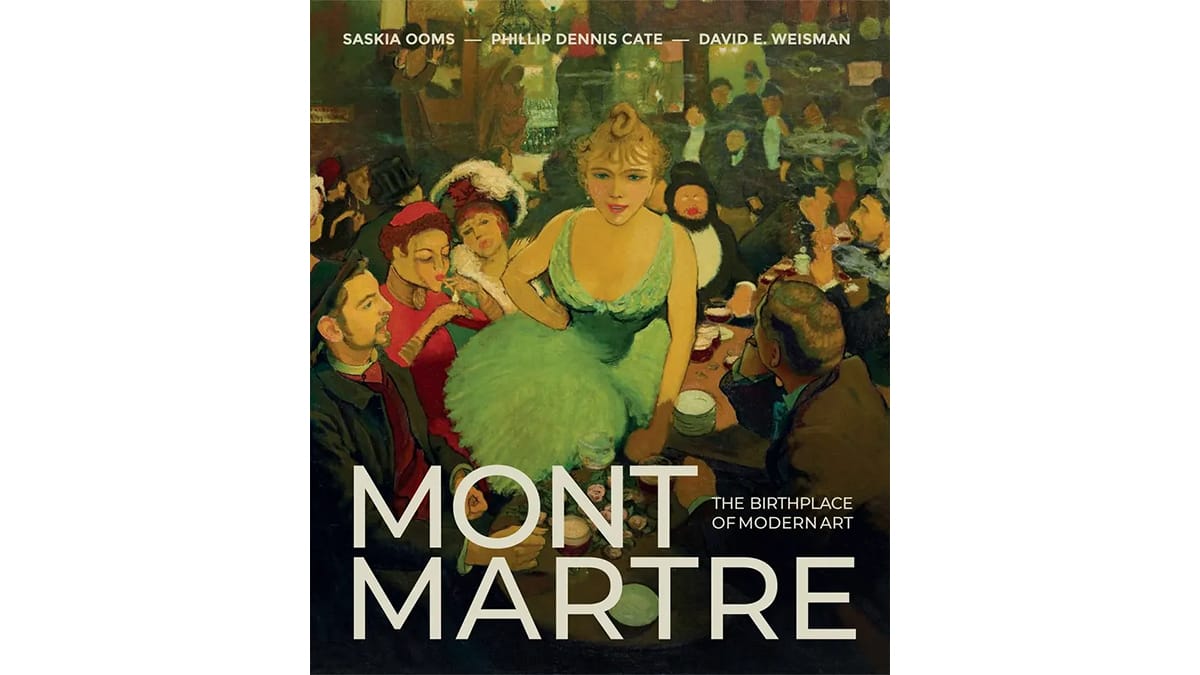
Once upon a time, the City of Lights was the global epicenter of art, and its creative heart was Montmartre. This study aims to canonize the celebrated Paris district — home to the Moulin Rouge and Lapin Agile, among other legendary landmarks — as the fountainhead of modern art. The area was a hotbed of visual and performing arts between the late 19th and early 20th centuries and served as a meeting place for young artists and thinkers eager to make their mark — including Suzanne Valadon, the Lumière brothers, Apollinaire, André Breton, Josephine Baker, and Picasso, to name just a few. The result was what this book’s authors call a “breeding ground for modernism.” Lushly illustrated and meticulously detailed, it’s a gripping read, whether you’re a fan of modern art, French culture, or simply great stories and big personalities. —Natalie Haddad
The Art of Kaylene Whiskey: Do You Believe in Love?, edited by Natalie King and Iwantja Arts | Thames & Hudson
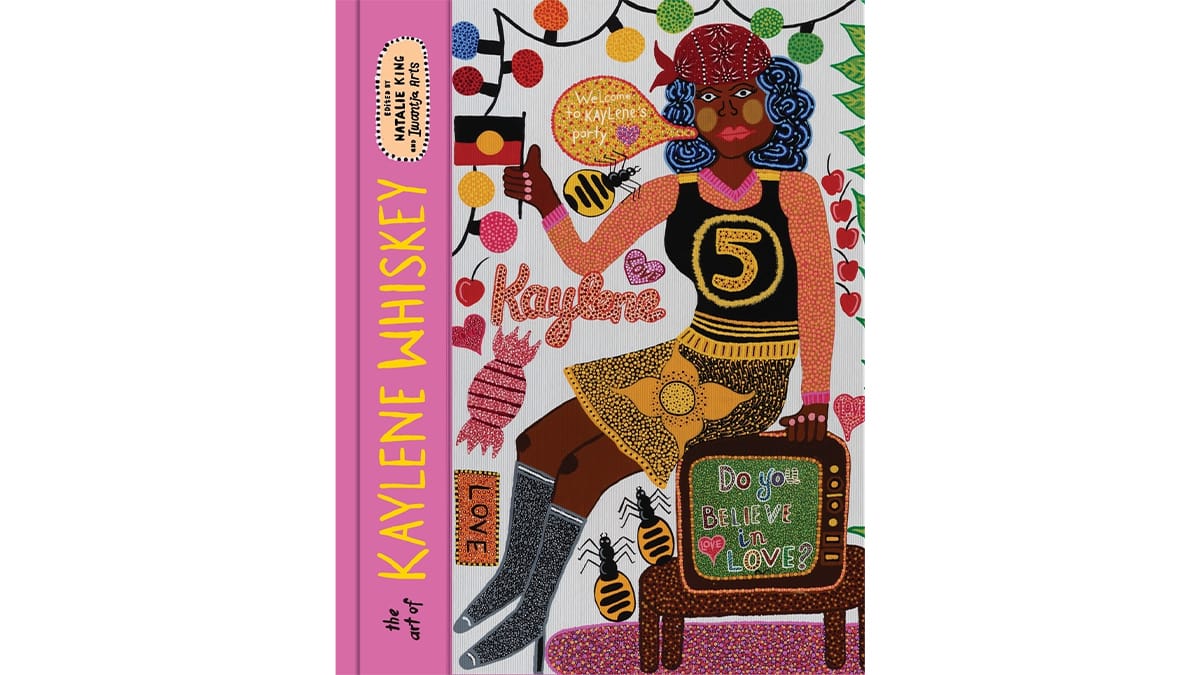
Brimming with color, Yankunytjatjara artist Kaylene Whiskey’s playful works infuse the dot painting practiced by First Nations (Aboriginal) and Torres Strait Islander communities with her own luminous graphic sensibility. Her first monograph gathers paintings and essays that bring us into the syncretic world of Anangu music, country songs, feminist iconography, and ecological referents that collectively shape her visual storytelling. —Lakshmi Rivera Amin
The Legacy Sites: A History of Racial Injustice by Equal Justice Initiative | Monacelli Press

Twelve years ago, Bryan Stevenson’s Just Mercy brought the patent brutality of the death penalty and its racist machinations to the fore of public discourse. Now, as the Trump administration scrambles to gut education and culture, this book offers a crucial record of the Legacy Sites project, spearheaded by Stevenson and his law nonprofit Equal Justice Initiative. Focused on three Legacy Sites in Montgomery, Alabama — one museum, one monument, and one memorial — as well as sculptures and artworks, this book models the critical role that art and public space play in commemorating the history of slavery, and the imperative to fight back against its afterlives. —Lakshmi Rivera Amin
Edmonia Lewis: Said in Stone by Jeffrey Richmond-Moll and Shawnya L. Harris | University of Chicago Press
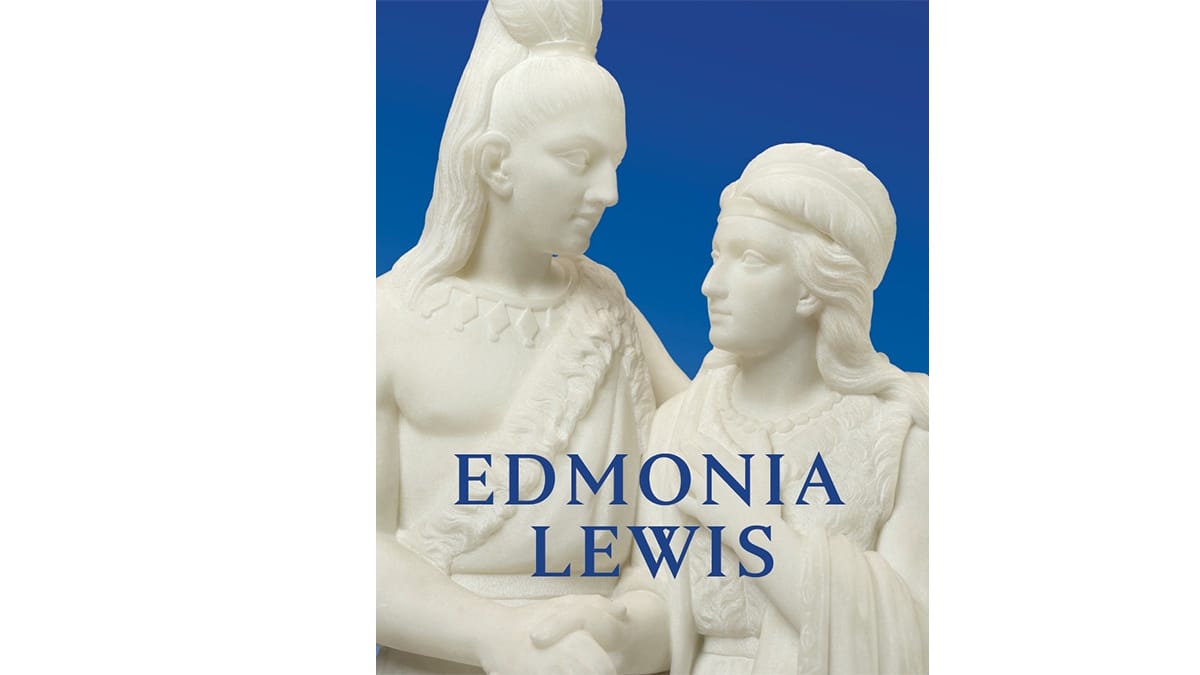
A typical biography of sculptor Edmonia Lewis goes something like this: She embraced her Blackness among the Boston abolitionists in the 1860s; her Anishinaabe heritage while abroad in Italy; and her Catholicism in later years. Yet who among us can truly sequester our lives into such rigid phases? Although it reproduces those categories at times, this new monograph attempts a more integrated narrative. Filled with glossy, full-color images of her work, primary sources, and related art, the book blends biography, art historiography, and detective story as researchers trace paper trails, seeking lost objects. —Lisa Yin Zhang
Gainsborough: The Fashion of Portraiture by Aimee Ng | Rizzoli Electra
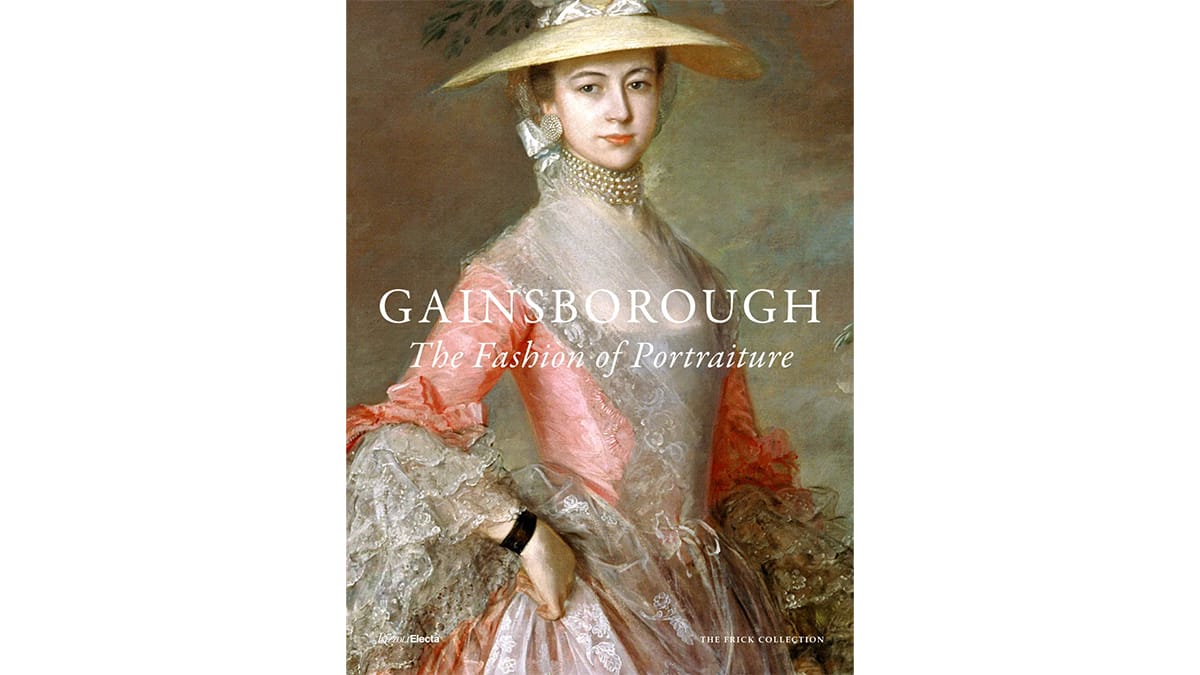
One of my most anticipated upcoming exhibitions is Gainsborough: The Fashion of Portraiture, opening this month at The Frick. Of course it will be a treat to see the portraits, but I’m also excited about the fashion. The exhibition’s catalog delves into clothing and style in 18th-century Britain and their important role in the artist’s work. As it does today, a sitter’s dress could connote social status, but Gainsborough also focused on the details of the textiles as he encouraged his subjects to wear contemporary clothing rather than unrealistic historical or fantastical styles, as many artists preferred. Fashion doesn’t get a lot of credit in the art world, but Gainsborough made both the clothing and the wearer stars of the show. —Natalie Haddad
Otherhow: Essays and Documents on Art and Disability, 1985–2024 by Joseph Grigley | Primary Information
This intimate and poignant book is not defined by Joseph Grigley’s deafness. Instead, it takes readers through the creative life of the artist and educator over the past 40 years, revealing how his hearing loss has inflected it and, accordingly, how the art world has responded — or failed to. Grigley’s personal stories, lectures, and essays are engaging and provide a glimpse into the inner workings of art museums, festivals, schools. He recounts explicit ableism, such as being denied an ASL translator by a major art institution, but his book is also a study in microexpressions of ableism. His philosophical and practical insights should resonate with anyone, however you navigate the world. —Natalie Haddad
Lucian Freud: Drawing into Painting | National Portrait Gallery
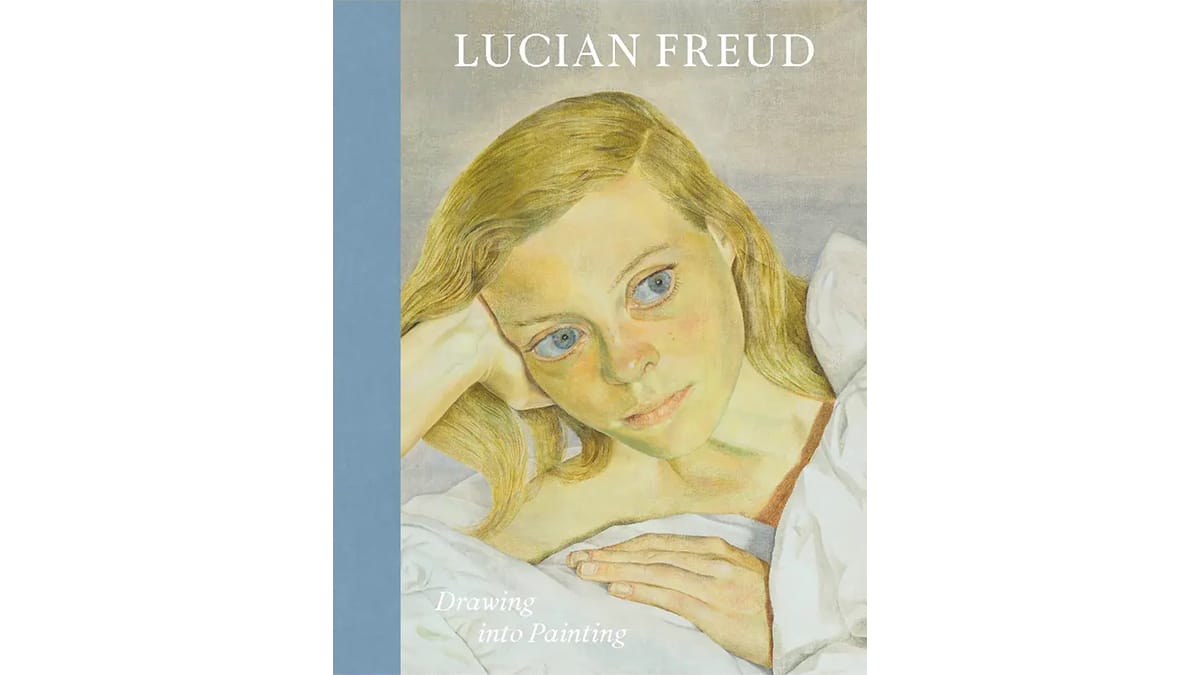
Lucian Freud is famous for huge canvases depicting his sitters in all their fleshy glory, rendered in thick oils. Yet there’s another side to the artist, one defined by tense, taut line drawings and haunted charcoal studies. These drawings, pulled from more than 40 sketchbooks in the collection of London’s National Portrait Gallery, are the subject of the institution’s exhibition opening this month, and this forthcoming catalog. The publication focuses on Freud’s interest in the human face, and it’s a revelation to confront the eerie emotional remove and anxiety that he was able to capture, often through minimal gestures. It’s easy to be overwhelmed by the might of the artist’s painted bodies, so this book is a welcome addition to the Lucian Freud library. —Natalie Haddad