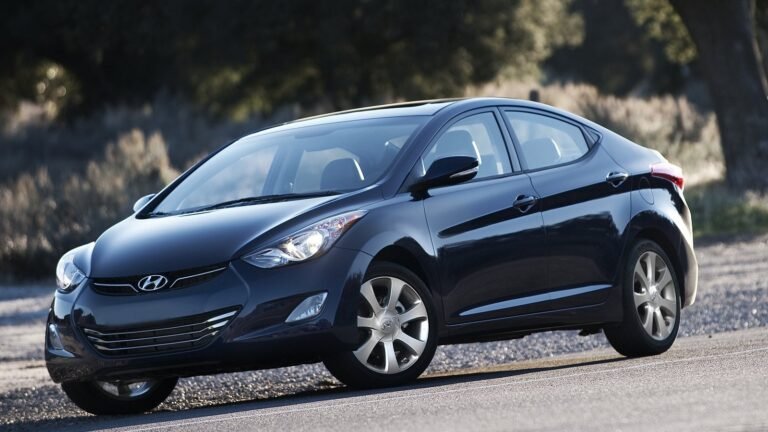
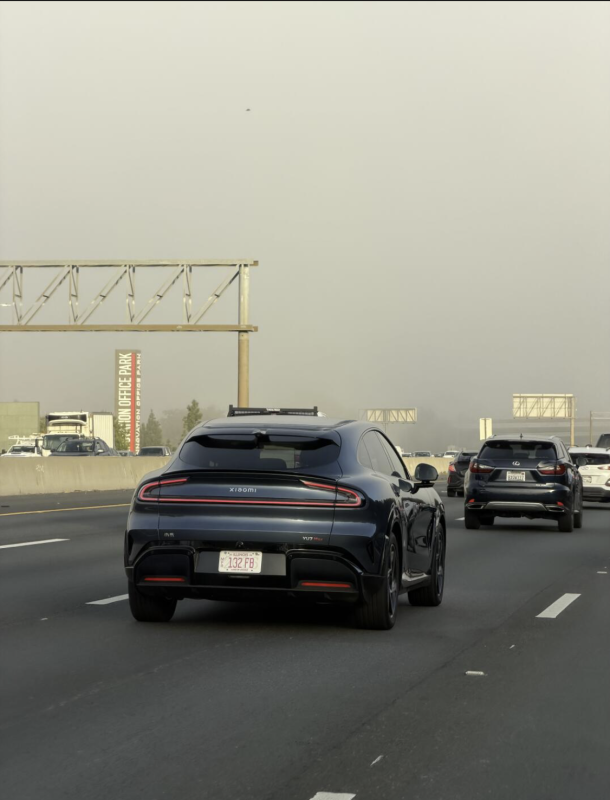
A Xiaomi electric vehicle has reportedly been spotted driving on U.S. roads, a rare sight for a brand that does not sell cars here.
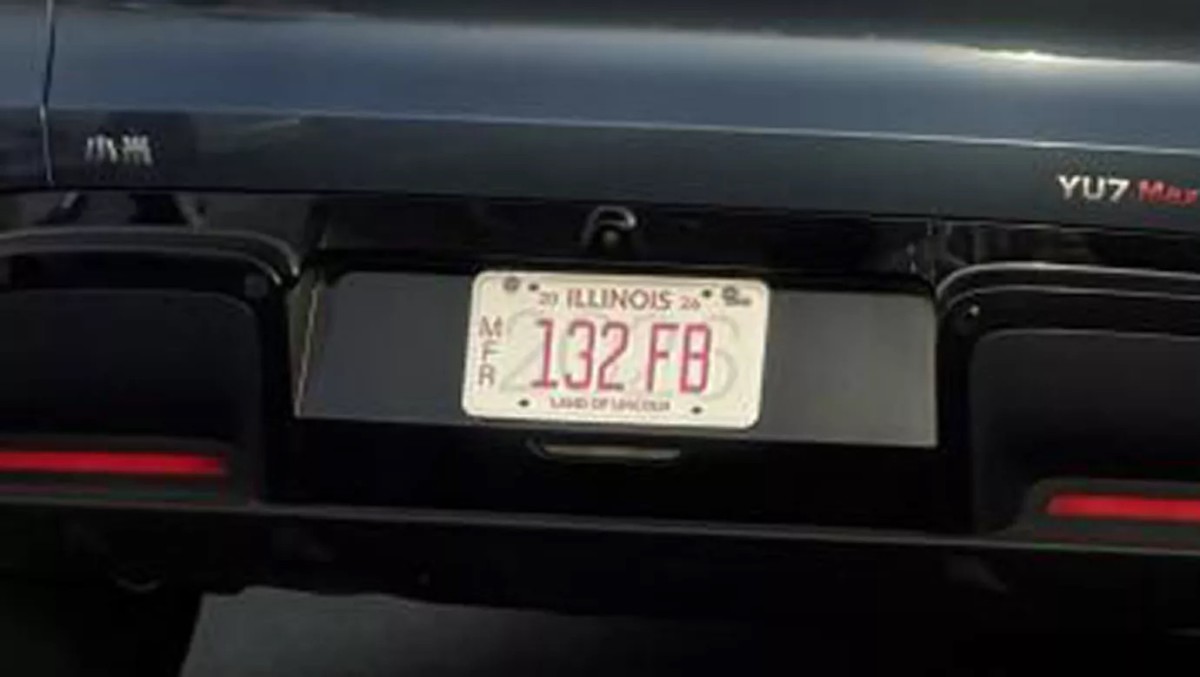
The vehicle in question was described as a Xiaomi YU7 Max wearing an Illinois manufacturer plate while traveling on Interstate 5, which immediately set off speculation that it is in the country for testing, evaluation, or teardown work rather than any kind of consumer rollout.
What Was Seen And Why It Stands Out
Posted on Chinese social media platform Xiaohongshu, the sighting matters because it is not the usual gray-market “one-off” supercar import story, since manufacturer plates typically point to controlled use tied to development, validation, or benchmarking activity. Xiaomi is still new to the auto business, but it has become a serious talking point in EV circles because its early products have mixed mainstream pricing with unusually strong tech narratives, which makes them exactly the kind of vehicles other automakers would want to study up close.
That broader interest has been building through stories around durability and real-world performance, which helped push Xiaomi’s name into conversations normally dominated by longer-established EV brands.
Why A Chinese EV Might Be Here At All
Because Xiaomi does not have a U.S. sales presence for its vehicles, the most straightforward explanation is benchmarking, meaning the car is being used to study packaging, cost decisions, software behavior, and charging performance in a real-world environment.
The U.S. has been trending toward more active comparison-shopping of Chinese EV capability, even when the vehicles are not directly available here, and Xiaomi’s rapid credibility jump has only amplified that.
What It Could Mean For The U.S. Market Conversation
This single sighting does not change trade policy, regulatory barriers, or the reality that Xiaomi’s EVs are not officially sold in the United States, but it does show how quickly Chinese EV development is becoming part of the competitive landscape that U.S. and legacy automakers have to respond to. Xiaomi’s appeal is not limited to headline specs, since much of the buzz is about perceived value and finish, a point echoed by impressions like MKBHD.
If the YU7 Max is in the U.S. for benchmarking, the bigger story is not where it was seen, but who may be studying it and what they might be trying to learn about how quickly a consumer tech company has turned into a credible EV manufacturer.