Inching Closer to Reality
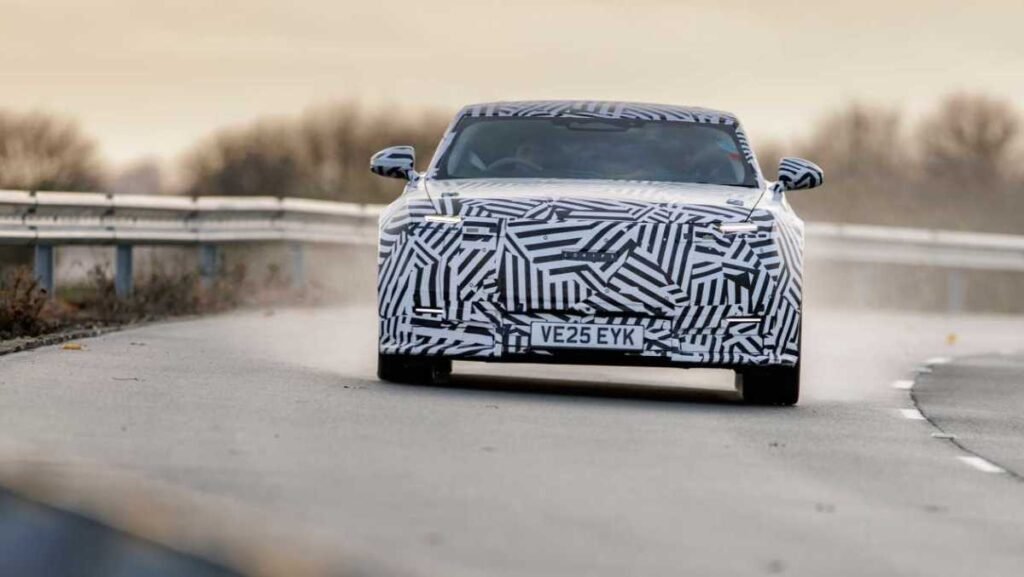
A few months ago, select British press were able to experience the Jaguar GT for the first time. However, it was more of a ride-along experience, so no one knows what the car drives like just yet. Well, that is, until now.
Some of the top names in the British motoring press, such as Pistonheads, have driven the prototype. They’ve given their respective impressions, as well as revealed some key details about the car that are definitely worth mentioning.
The Low Down
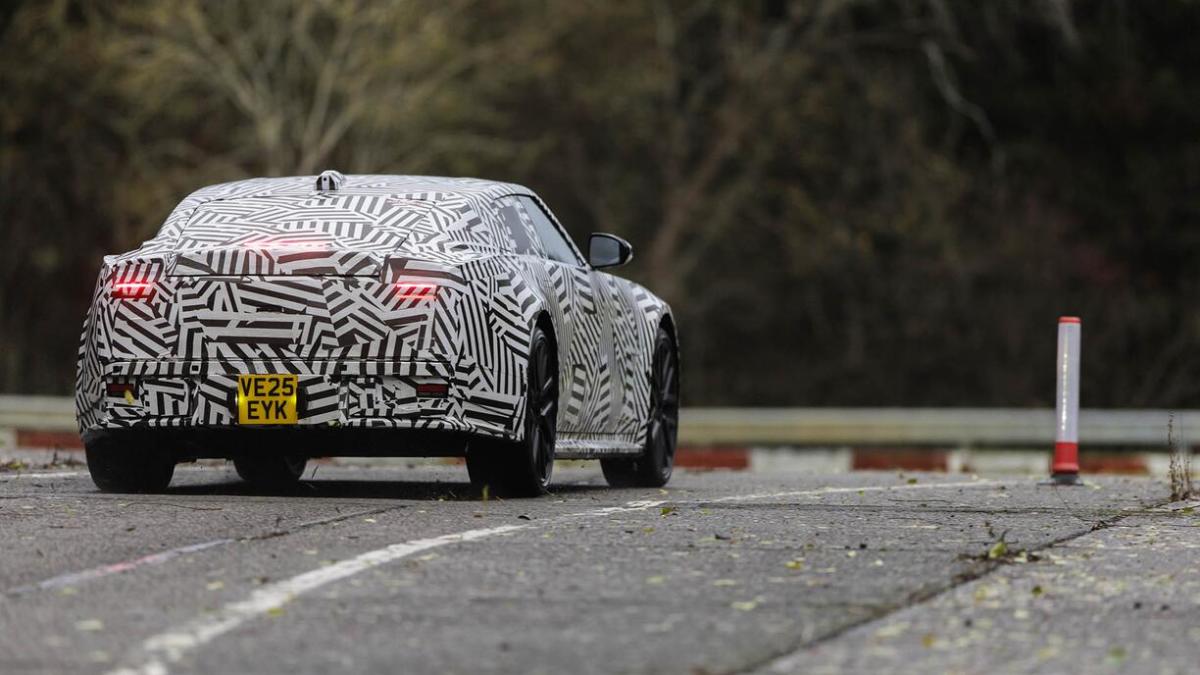
Jaguar’s sabbatical from selling cars has yielded an all-new dedicated platform. Dubbed the imaginatively-named Jaguar Electric Architecture, it should serve as the basis of more models down the line. The British automaker is cashing in all its chips in electric mobility, as there no plans for a plug-in hybrid or range-extended version down the line.
Now, the car doesn’t have an official name just yet, but for all intents and purposes, most have been labeling it as the Jaguar GT. It’s possible that the company could resurrect the XJ, but New Jaguar is about breaking tradition. This is a make-or-break product for the brand. If it fails, we might as well say goodbye to Jaguar for good.
Jaguar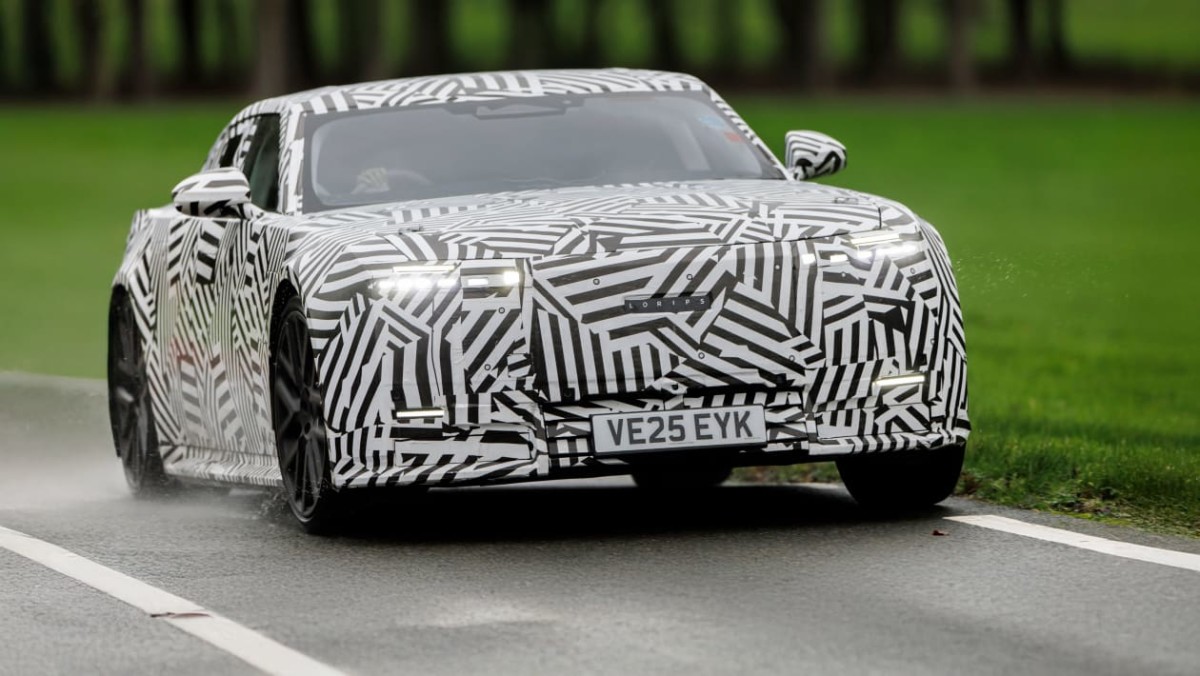
The Numbers
The GT rides on an 800V architecture that enables 350 kW fast charging. It’s claimed that a 15-minute charge can add about 200 miles to the range. As for the battery, it’s about 120kW, and the range is estimated at 400 miles per full charge. Given the massive battery, that’s to be expected.
Now, for the important part: power and torque. In this case, it’s “at least” 1,000 hp and another 1,008 lb-ft of torque. That comes courtesy of three electric motors with one in front and two at the back. Per Auto Express, the front has an open differential, while the rear features torque vectoring.
Jaguar claims a 0 to 62 mph time of under 3.5 seconds, which is a good number for something that weighs close to 6,000 lbs. Top speed is yet to be listed, although we could expect at least 150 mph out of it. It does have about 1,000 hp at its disposal, after all.
Jaguar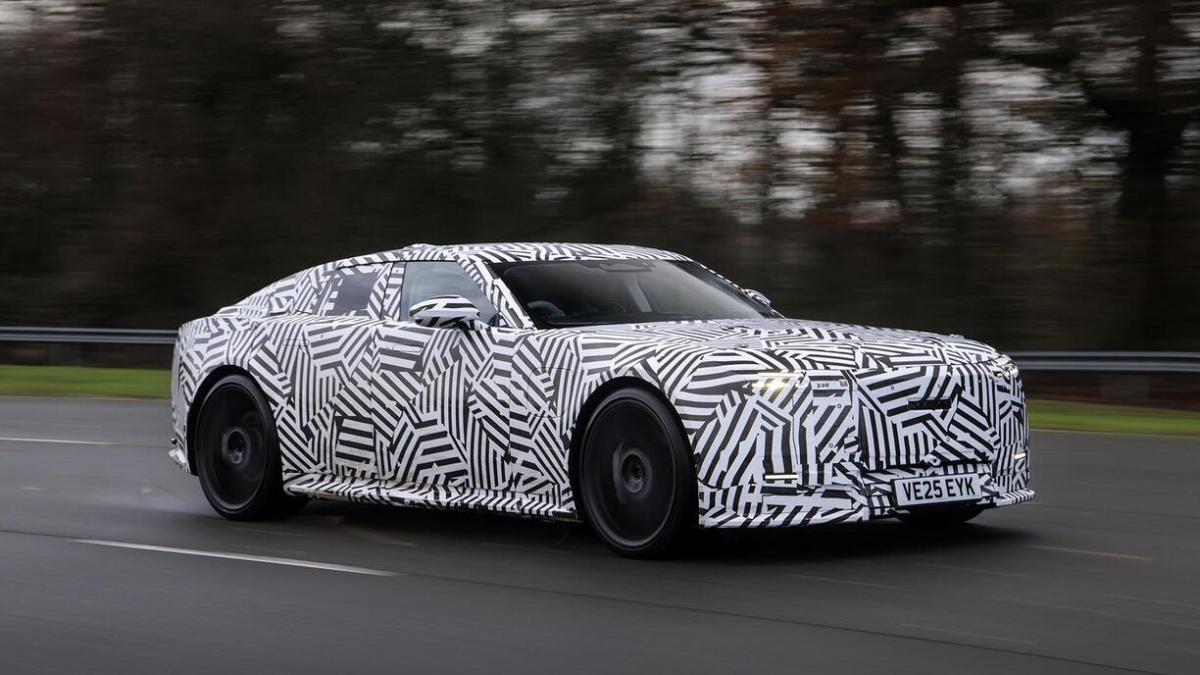
Other Facts and Figures
Autocar notes that the GT doesn’t utilize the typical skateboard architecture that most EVs use. Instead, it’s split at the front and rear with a 19kWh pack in front and the rest mounted at the back. It’s an interesting arrangement, but it does allow for that low-slung profile. As for size, it’s about 205 inches long and rides on a 126-inch wheelbase.
For its suspension arrangement, it rides on twin-chamber air suspension and adaptive dampers, although there’s no active anti-roll bar present. Pistonheads noted that its setup is good enough to negate the need for an active anti-roll bar, based on their driving impressions.
Jaguar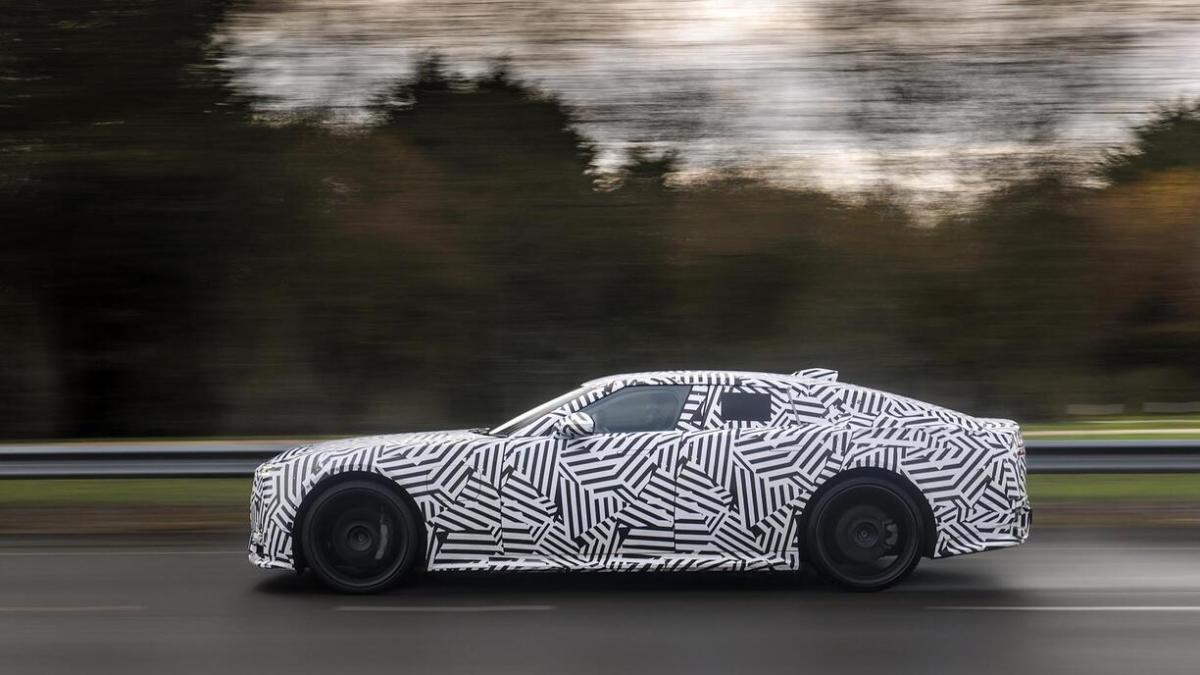
What It’s Up Against
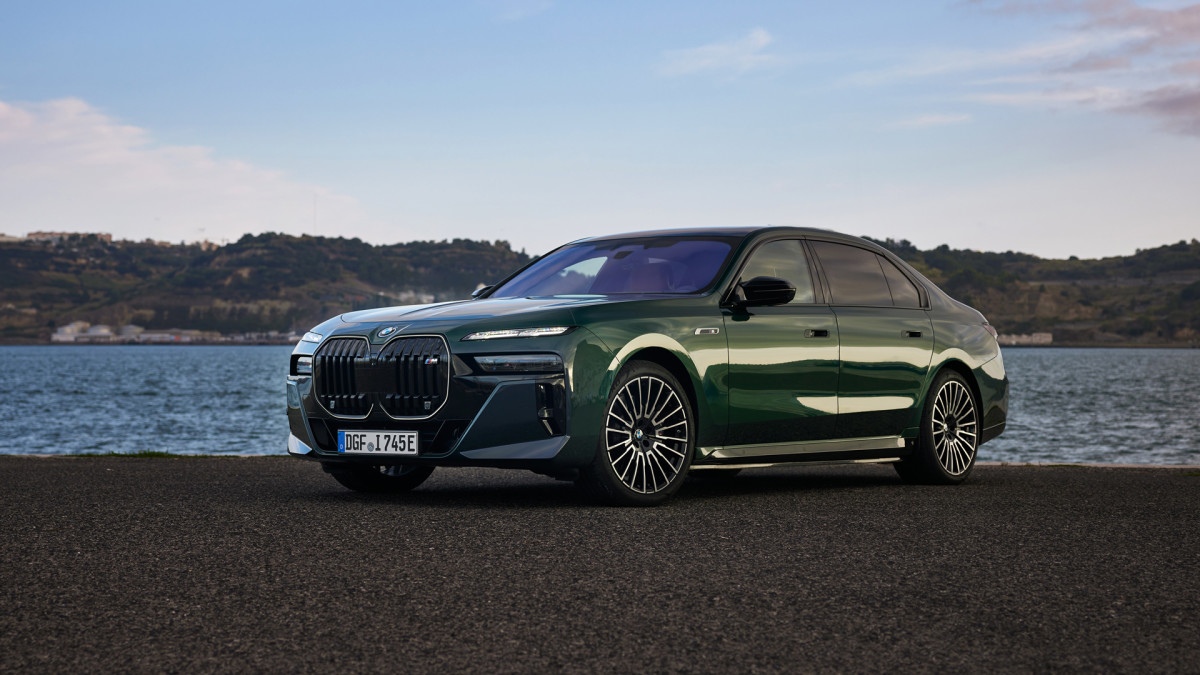
In terms of size, the most obvious answer would be the BMW i7. However, its performance figures are quite far off Jaguar’s, with the M70 version making just 650 hp and 811 lb-ft of torque, all sent to all four wheels. Interestingly, it’s about the same weight as the Jag at nearly 6,000 lbs. Remember when anything over 4,000 lbs was already considered heavy?
As for the performance aspect, the Audi RS e-Tron GT and Porsche Taycan Turbo GT might be a better comparison. While much smaller than the Jaguar, both provide rapid acceleration, but we reckon the Jaguar focuses more on luxury than outright dynamics.
Its best match should’ve been the Mercedes-AMG EQS 53. It’s about the same size and the same weight, and it also rides on a dedicated EV platform. The trouble is, no one really buys it, and it’s highly unlikely to survive the next decade.