Feature-Packed Sensors
The cars we drive today are probably the barometer of how technologically advanced the human race is. Our cars are flooded with features that enable us to just drive, and the car will take care of the rest. Not to mention that new technological features evolve very quickly.
One aspect of automotive technology in high demand is safety, as more drivers are on the road with varying experience and capabilities. Car companies have been pushing the boundaries of safety tech over the years, and a new one, albeit a little small, might have significant effects on mobility overall.
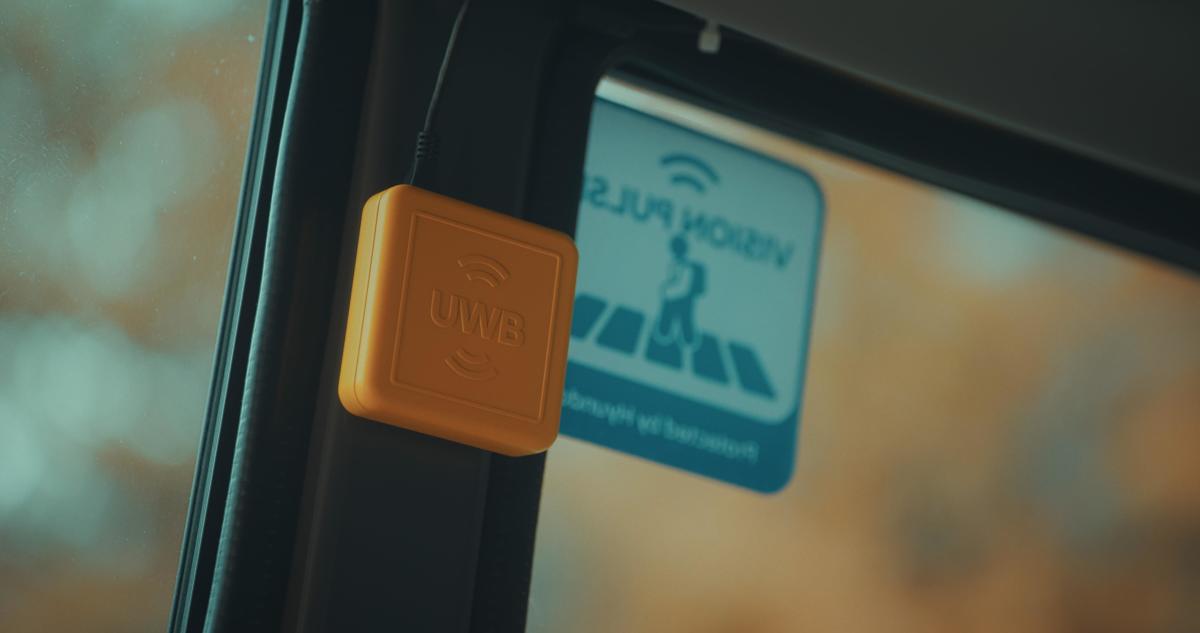
The Hyundai Motor Company, together with sister brand Kia, has just announced what appears to be a breakthrough in proximity sensor technology. This sensor alerts the driver to obstacles around the vehicle. Their new version is called Vision Pulse and uses Ultra Wideband (UWB), going beyond standard proximity sensors.
Ultra Wide Band ‘Vision Pulse’
UWB-based technology uses modules attached to the vehicle that emit signals. What makes this technology different is that it’s highly dependent (as of the moment) on other vehicles and pedestrians also having a UWB module, whether it’s a smartphone or other wearable gear.
This is because UWBs communicate with each other via the algorithm; the system measures the time it takes for signals to travel between modules, thereby calculating their exact positions. If distances become too close for comfort, alerts are issued to reduce the risk of accidents.
In terms of accuracy, UWB is accurate up to 10 centimeters (3.9 inches) within a 100-meter (109-yard) radius, and the biggest benefit is that it can detect even in visually obstructed environments.
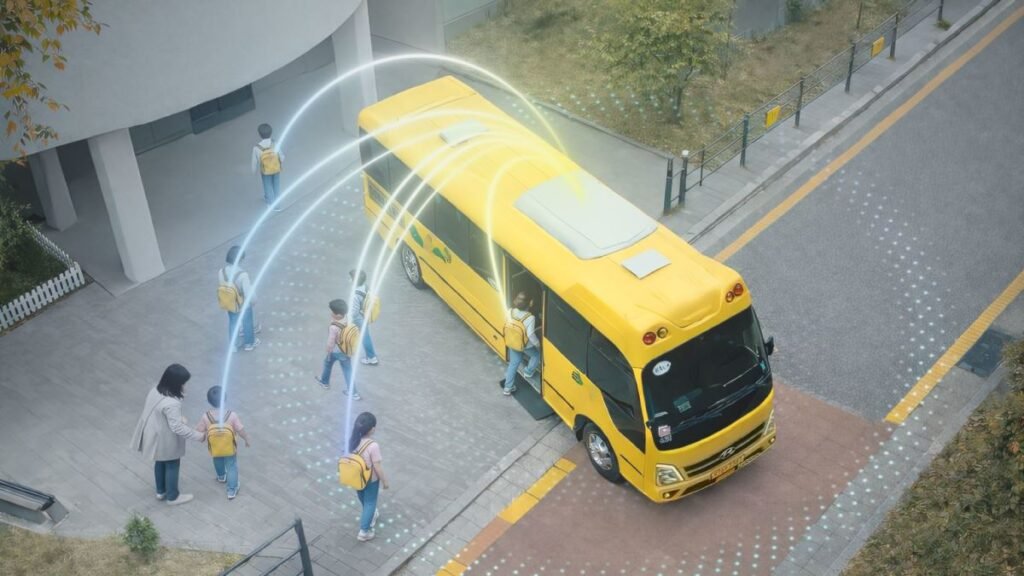
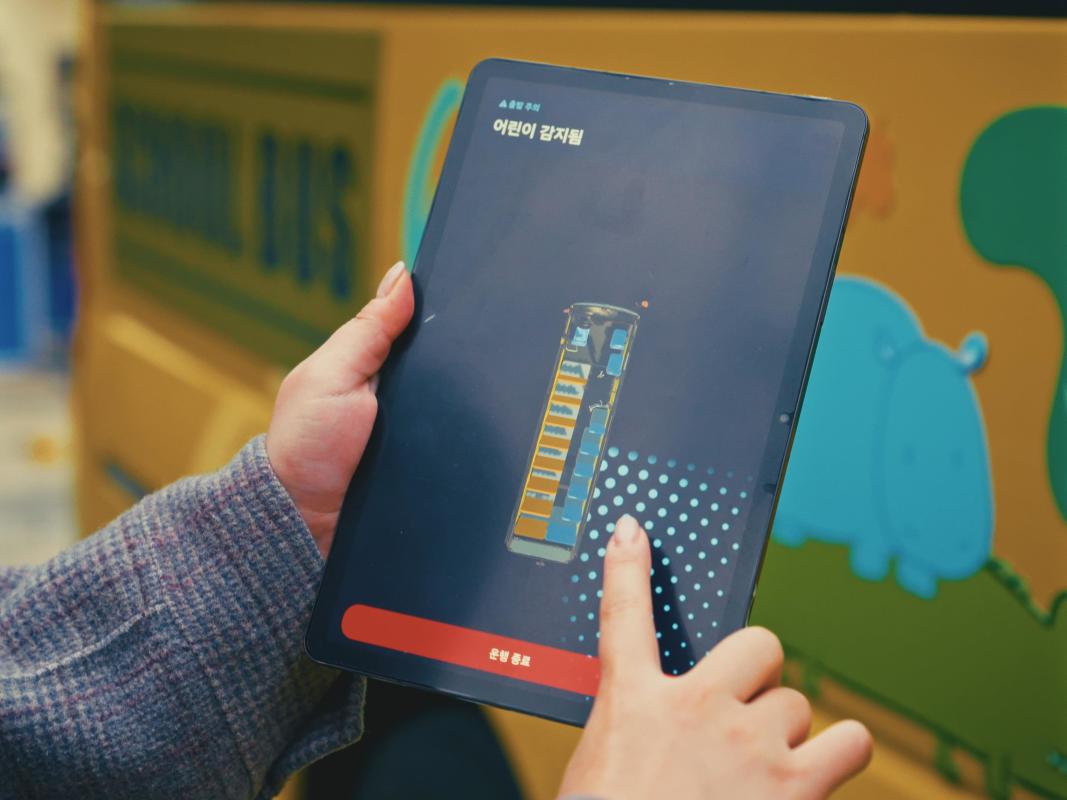
As a showcase, a video was even published using school buses and children as a testbed for Vision Pulse and UWB technology. In the video, the idea came about because the engineers realized there are still many blind spots on the road, chief among which are children who are usually too small to be immediately seen. Vision Pulse also goes beyond just the driving aspect. In the video, there was a feature where the modules the kids had on their backpacks were used to track the kids inside the bus as well, showing the driver how many are still onboard at any given time.
Safety First Tech
Vision Pulse also has other uses. Hyundai and Kia say it can be adopted by commercial and industrial companies to streamline production and prevent work stoppages caused by accidents. It can also serve a purpose during natural disasters, where UWB modules will help locate those in need of help.
Other automotive brands are also entering the object-sensing market. Tesla has patented a vision-only distance detection system that uses cameras instead of the usual dedicated distance software. Volvo’s tech focuses on the car’s interior, using interior radar sensors to detect sub-millimeter objects, such as a baby’s soft breathing, to help prevent accidental leaving of children in the car.