The Age of the Observed Driver
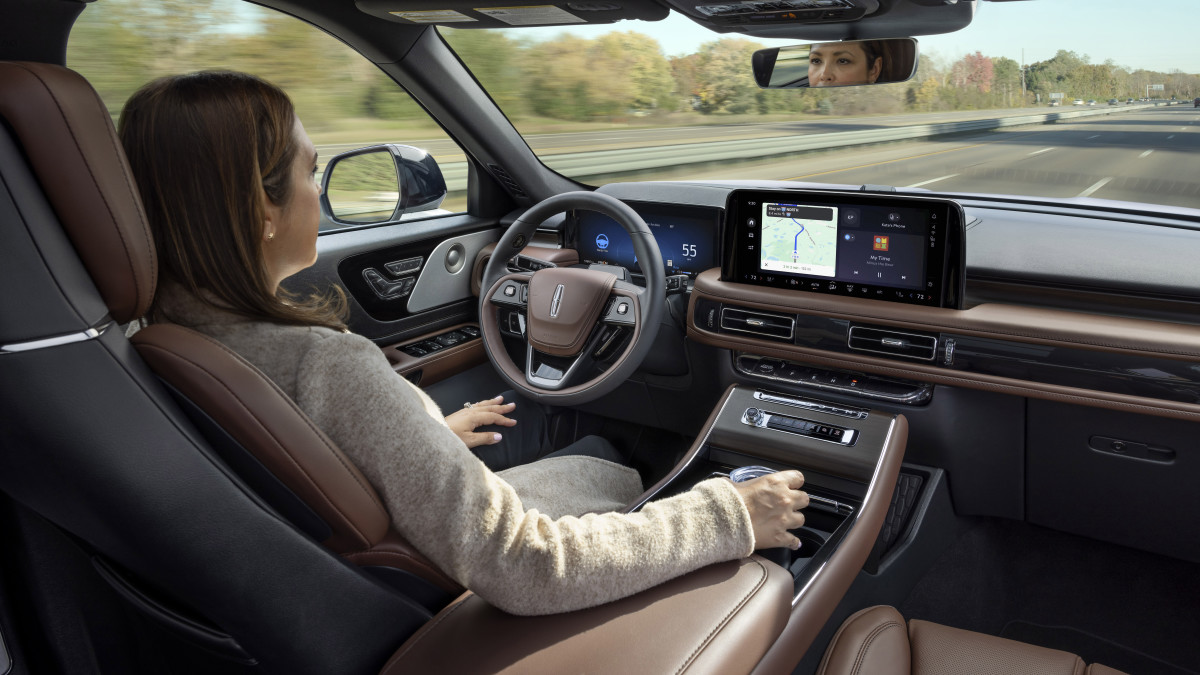
At this point, driver detection is nearly inevitable in modern vehicles, particularly as advanced driver-assistance systems (ADAS) such as Ford’s BlueCruise rely on it to ensure drivers remain attentive. Now, however, it appears federal regulators are looking to build on this technology to enable the so-called “kill switch” coined by critics.
The “kill switch” refers to provisions outlined in the HALT Drunk Driving Act, which was passed in 2021 and aims to prevent vehicles from being operated by drivers who are impaired or too intoxicated to drive. It works by monitoring the driver and, if established criteria are not met, preventing the vehicle from starting or moving to reduce road accidents.
The Human Judgment Question
Some drivers have expressed disapproval of the bill, arguing that allowing software to determine whether someone is fit to drive does not sit well with them. There are supporters, too, including Mothers Against Drunk Driving (MADD), which has said that impairment-detection technology has the potential to save up to 10,000 lives annually.
The software could rely on breath- and touch-based technologies to measure BAC (blood alcohol concentration). For reference, the standard legal limit for driving in the U.S. is 0.08 percent, though Utah lowered it to 0.05 percent. The system could also use cameras to monitor a driver’s eye movements for signs of possible intoxication. MADD notes that while it supports the law, it does not endorse systems that collect, store, or sell driver data – an issue that remains a key concern with this type of technology.
Pressure Beyond Regulation
However, automakers may soon begin installing more driver-detection systems in response to the Insurance Institute for Highway Safety (IIHS) and its more stringent “30×30” vision, which aims to reduce road deaths in the U.S. by 30 percent by 2030. Vehicles without a driver-monitoring system would no longer be eligible for the Top Safety Pick+ award—the organization’s highest safety distinction. The designation can influence purchasing decisions, especially for buyers who prioritize safety.
As of this writing, the National Highway Traffic Safety Administration (NHTSA) has yet to finalize the safety standard that would establish timelines for the “kill switch.” The process involves extensive research and testing, which helps explain why the rulemaking process has taken longer than expected. Once completed, automakers may be able to adapt existing driver-monitoring and detection systems, as many vehicles already include similar technology to support their respective SAE Level 2 driver-assistance functions.
Chevrolet