Ford and Chinese Brands
Ford CEO Jim Farley isn’t shy about admiring Chinese EVs. He points to their fast development, advanced software, and sharp pricing as the new standards Western brands need to pay attention to. Farley even went as far as importing and driving Xiaomi’s SU7 sedan himself to see what the competition is really like.
That said, Ford is reportedly in talks with Chinese tech giant Xiaomi about a possible joint venture to build electric vehicles in the US, according to Financial Times, citing sources familiar with the matter. The report suggested this could have brought Chinese EV technology into US-built vehicles despite current trade restrictions.
Both Ford and Xiaomi shot down the story right away. Ford called it “completely false,” and Xiaomi said it isn’t looking to sell or build cars in America. Of note, US lawmakers warned that any tie-up with a Chinese automaker could make the US more dependent on foreign tech and raise national security questions.
Getty Images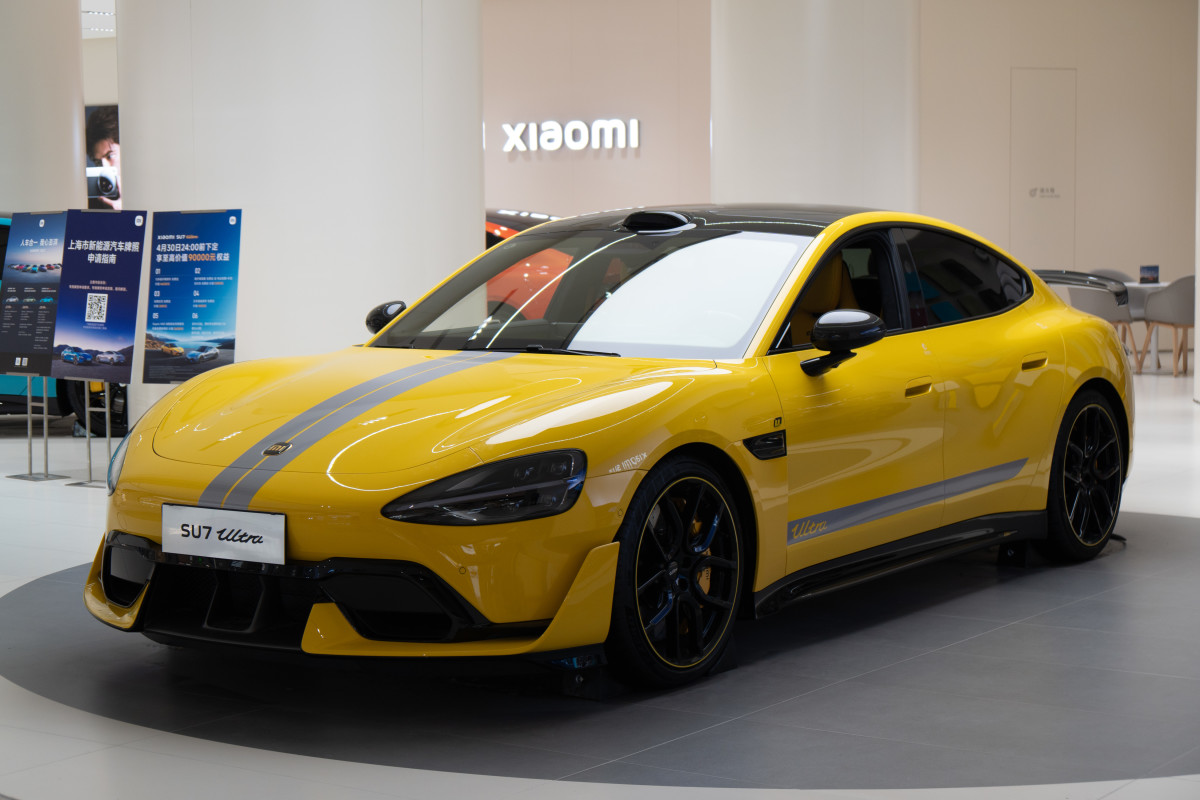
BYD Remains Part of the Conversation
Ford may have shut down the Xiaomi rumors, but its connections with other Chinese players are less clear-cut. The company has reportedly had early talks with BYD, focusing on batteries and electrified parts – areas where BYD has a serious edge.
BYD isn’t just another EV brand. It has built its reputation as a battery supplier long before becoming a global EV heavyweight (already surpassing Tesla in 2025), which makes it a go-to for automakers chasing lower costs and steady supply. Ford has already teamed up with BYD before in China, so a deeper partnership wouldn’t be out of left field.
Ford’s already catching heat for its Michigan battery plant, which uses CATL technology. Lawmakers keep sounding the alarm about getting too cozy with Chinese suppliers. Ford’s response? Working with global companies is just part of the job, and talks don’t mean a deal is around the corner.
Ford Philippines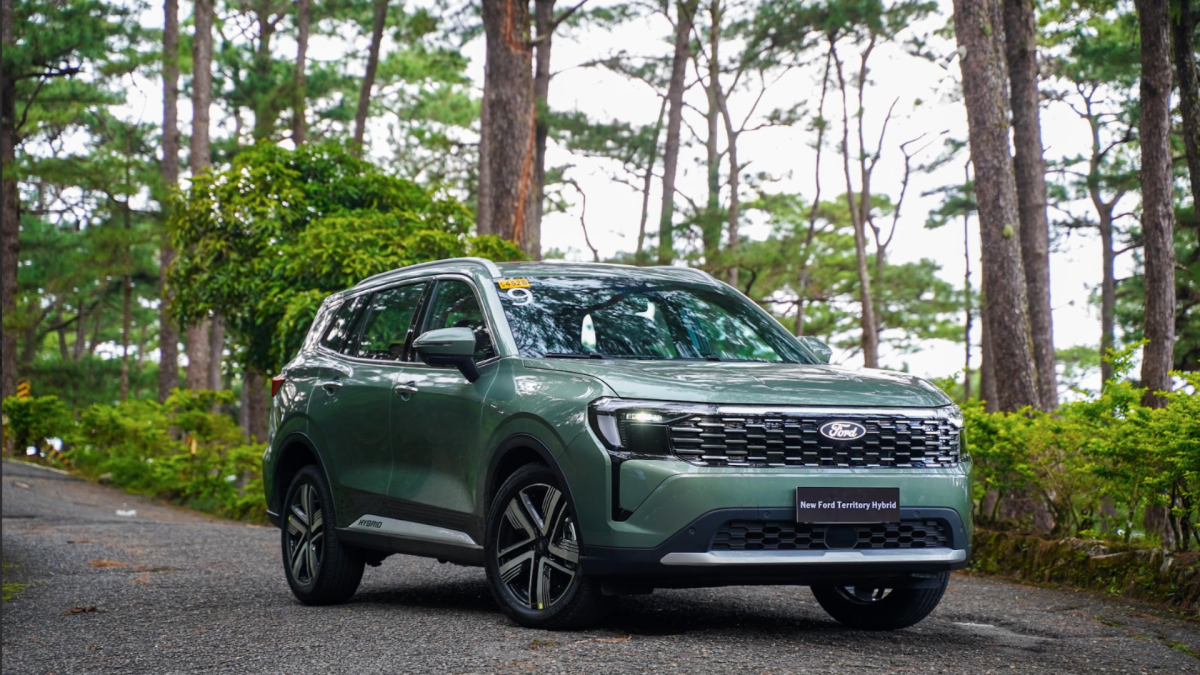
Ford’s Reset Through 2030
All this comes as Ford is rethinking its electric plans. After big losses and slower-than-expected EV sales, the company is now focusing on a mix of hybrids and gas models, along with a smaller lineup of cheaper EVs.
Looking to 2030, Ford plans to introduce five lower-cost electrified vehicles while leaning more heavily on hybrids as a bridge technology. The company says it still aims to electrify about half of global sales by the end of the decade, but with greater emphasis on profitability and flexibility.
John Tlumacki/The Boston Globe via Getty Images