Innovation Meets the Curb
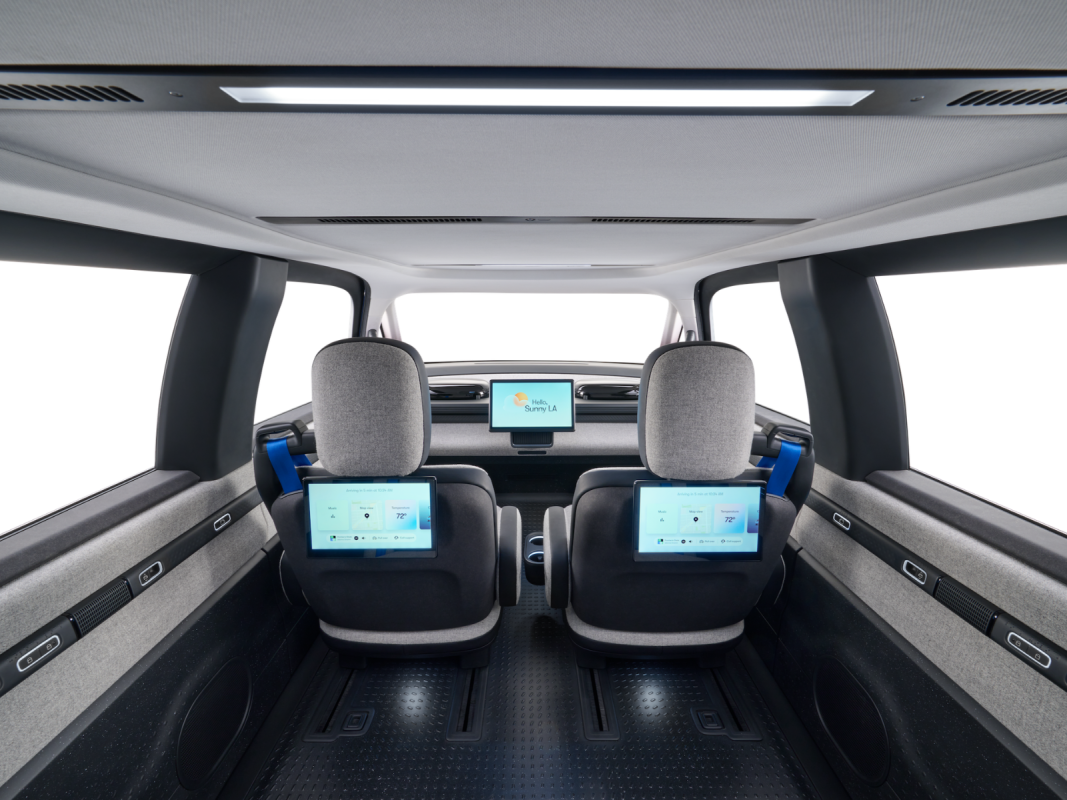
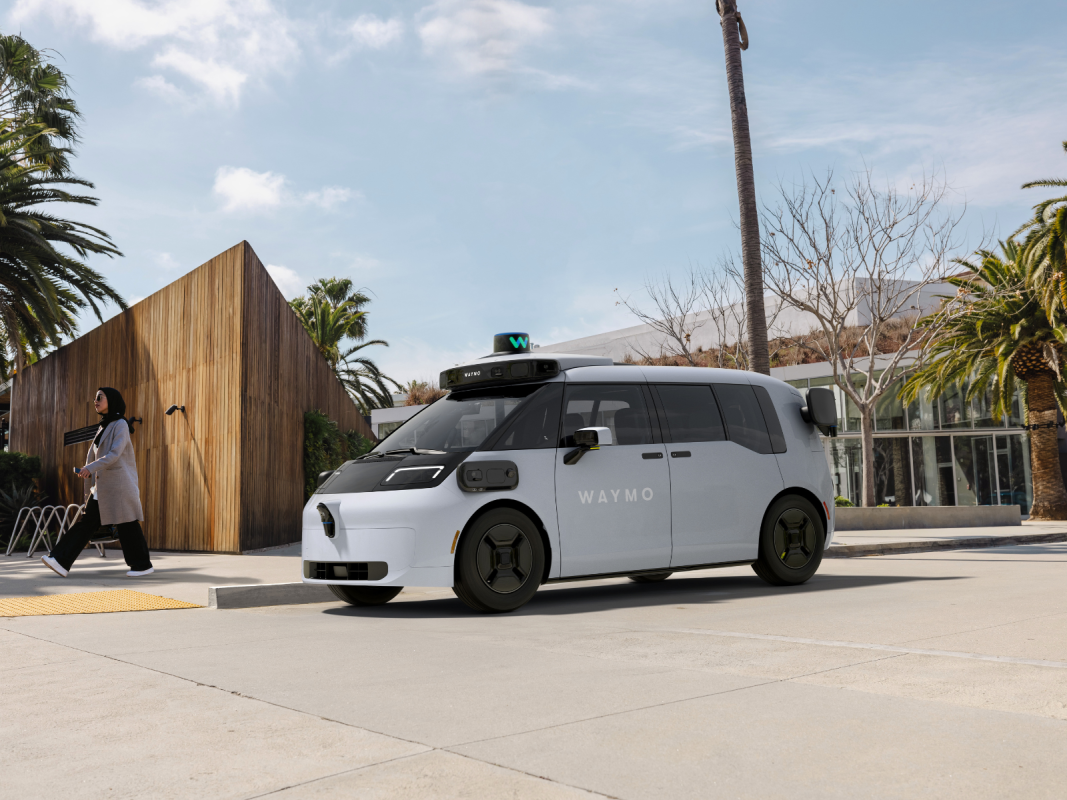
Waymo is slowly transitioning from its Jaguar I-Pace driverless taxi fleet to autonomous minivans from Chinese automaker Zeekr called the Ojai, but the move appears to be facing an early setback. According to KTLA 5, a Zeekr test vehicle lost control while being evaluated near Dodger Stadium, crashing into several parked cars along the 1200 block of Lilac Place.
A resident and his mother reportedly managed to move out of the vehicle’s path before it came to a stop after colliding with a Hyundai Tucson. A human safety driver was behind the wheel at the time with no passengers and is said to have exited the vehicle on his own. No injuries were reported.
Blame Still Under Review
While Waymo will likely have to address insurance claims stemming from the incident, the presence of a human driver at the time may limit immediate backlash of its autonomous driving system—particularly in the Zeekr test vehicle—as the crash occurred under manual control. The investigation remains ongoing, and the driver, who was reportedly a third-party employee, has been barred from operating any of the company’s vehicles in the meantime.
Given the lukewarm reception toward Chinese-built vehicles in the U.S., the incident does little to bolster confidence. Under the circumstances, Waymo has little choice but to move forward, as Jaguar has ended production of the I-Pace while the British marque prepares for a broader transition to a revitalized, all-electric lineup. The robotaxi brand is also adding the Hyundai Ioniq 5 to its fleet.
Not the First Time
Residents in the area said this was not the first time a Waymo vehicle had been involved in a crash nearby, particularly during events at Dodger Stadium, home of the MLB’s Los Angeles Dodgers. Homeowner Jorge Donantonio said his mother’s vehicle, which was damaged in the incident, will be undrivable until insurance claims are processed. “It’s damage until insurance covers it,” he said. “She can’t drive her car, so it’s a little bit painful to go through this.”
As Waymo continues to expand its U.S. network—with Miami among its latest markets—the company has also faced a series of challenges. These include a recall of roughly 3,000 robotaxis after certain vehicles failed to stop for a school bus. More recently, a Waymo vehicle struck a child in a school zone, prompting an investigation by the National Highway Traffic Safety Administration (NHTSA).
These incidents underscore the complexity of developing a fully driverless taxi program, with General Motors even pulling the plug on its Cruise robotaxi business. Tesla, however, continues to push in that direction with its two-seat robotaxi concept, dubbed the Cybercab.