Sales Under Pressure
For years, Tesla held the global crown as the leader in electric vehicles. That dominance was challenged when BYD overtook Tesla to become the world’s top-selling EV maker last year. However, Reuters reports that the Chinese automaker has now posted its fifth consecutive month of declining sales—making Tesla’s strategic shift more apparent than ever.
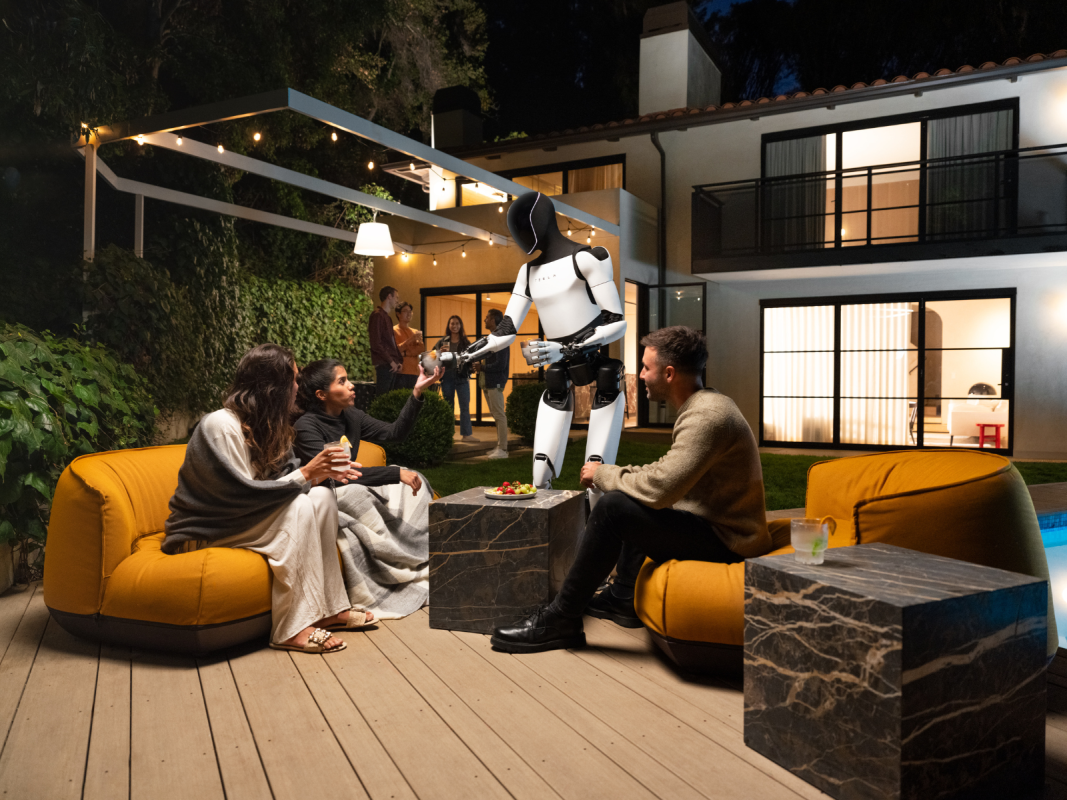
For context, Tesla is increasingly prioritizing its AI-centric initiatives beyond passenger vehicle sales, particularly its robotaxi program and the Optimus humanoid robot. As part of this shift, the company is set to discontinue the Model S and Model X to free up capacity at its Fremont plant for Optimus.
BYD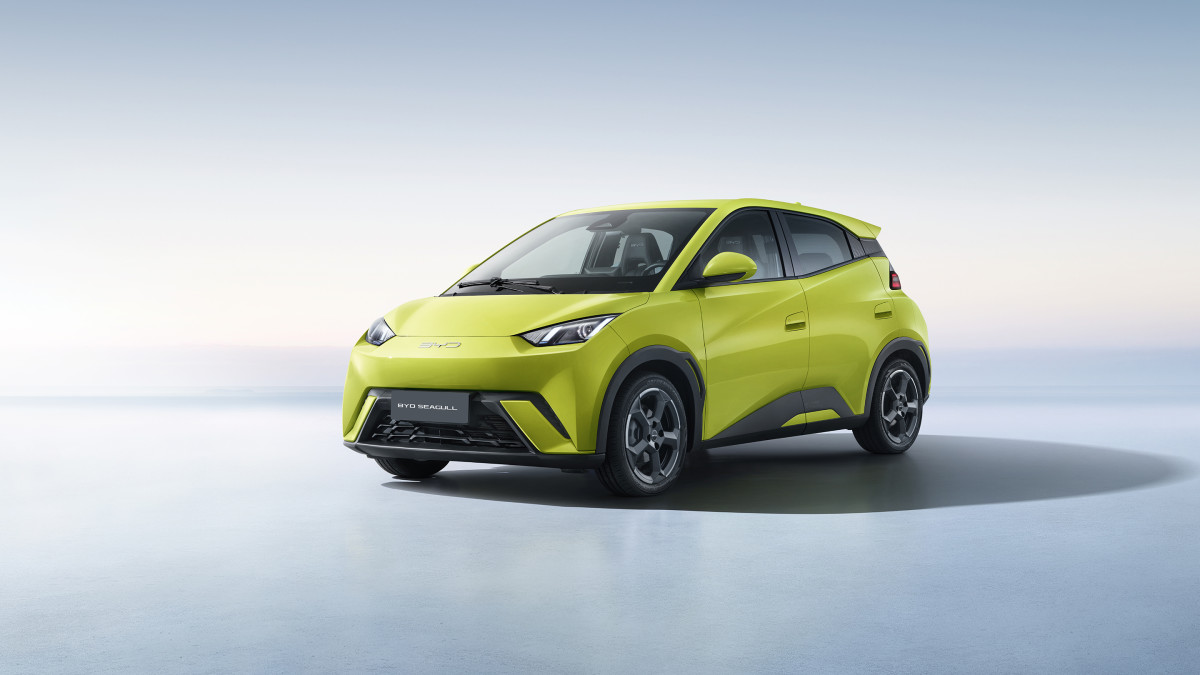
Betting Big on Robots
At first glance, this move could be interpreted as Tesla conceding ground to BYD in the global EV race. However, that framing overlooks the company’s broader ambition. Tesla CEO Elon Musk has even suggested that its long-term legacy may be defined less by electric vehicles and more by robots after agreeing to a statement on the All-In Summit that the brand may be remembered more for Optimus.
BYD’s sales fell 30.1 percent in January compared with a year earlier. Production also declined by 29.1 percent, extending a downward trend that has been in place since July of last year. The company did not comment on the slump, though it continues to face intensifying competition in its home market—particularly from rivals such as Geely, the parent company of Volvo.
In addition, the EV market is showing signs of a slowdown as newer regulations take effect, including measures that roll back incentives that helped accelerate the industry’s rapid growth earlier in the decade. The report also noted that BYD could see slower growth in China as the government rolls back incentives for lower-priced vehicles.
A Rivalry at a Crossroads
For now, the company is continuing to expand its global footprint as part of its broader growth strategy, including plans to open a new EV plant in Hungary, which is scheduled to be operational later this year. Should demand for fully electric vehicles soften further, BYD can lean on its plug-in hybrid DM-i lineup.
Tesla, on the other hand, is reportedly set to begin production of its robotaxi program with the Cybercab in April 2026, while Optimus is expected to go on public sale by the end of 2027. If this trajectory continues, the long-running EV sales battle between Tesla and BYD may increasingly lose relevance.
BYD