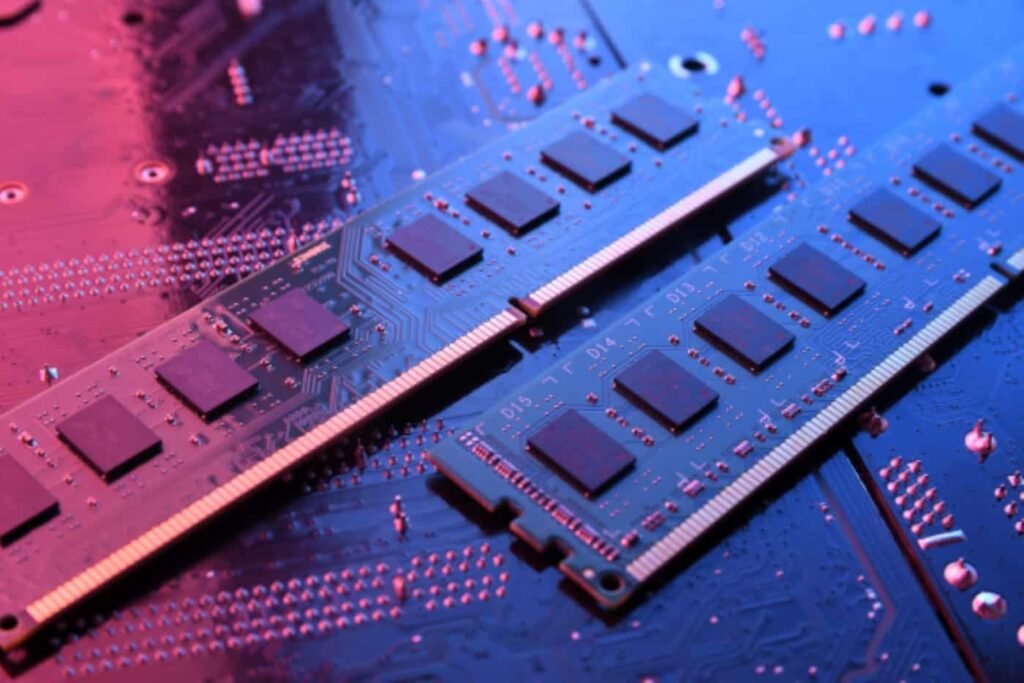

If you were planning to upgrade your PC’s RAM or buy a new laptop this year, you might want to double-check your budget. The memory market is currently experiencing a “shocker” that few saw coming: DDR4, the previous generation of DRAM, is seeing price spikes that even outpace its modern successor, DDR5. It is a rare market imbalance that hints at a growing desperation among tech buyers.
DDR4 DRAM prices surging faster than DDR5 in 2026
According to a Ctee report, which cites analysis from Goldman Sachs (via Wccftech), DDR4 spot prices have increased by a staggering 172%. In comparison, DDR5—the current gold standard for high-end performance—has risen by a still-significant but much lower 76%.
Usually, as technology ages, it becomes more affordable. However, the industry is currently facing a “scissor gap” where spot prices (the price for immediate delivery) are far higher than long-term contract prices. History shows that when this gap widens, contract prices eventually have to “catch up” to the spot market. For people who buy things, this means that the prices we see in stores today that aren’t too high might not last very long.
Powered by the AI boom
You might be wondering why DDR4, an older memory standard, is suddenly so popular. The answer lies largely in the massive infrastructure shift toward artificial intelligence. We already know that high-end AI servers grab most of the headlines. But the sheer volume of hardware needed to support these ecosystems is creating a vacuum in the general supply chain.
Data from major manufacturers in Taiwan and South Korea shows that revenues are skyrocketing. Some firms are even seeing triple-digit growth. Suppliers are now leaning toward short-term contracts, eager to capitalize on these price premiums rather than locking in lower rates for the long term.
What this means for your next purchase
Up until now, manufacturers have largely absorbed these rising costs without passing them all onto the customer. However, analysts warn that this period of relative stability is nearing its end. As we move deeper into 2026, the cost of building everything from graphics cards to office PCs will likely increase.
For the average user, the takeaway is simple: the “cheap” period for memory is fading. If you find a deal on a RAM module or a pre-built system today, it might be the result of components purchased months ago. Once that inventory clears, the new market reality will likely reflect these aggressive price hikes. While the tech industry is used to volatility, the current trend suggests that both old and new memory will remain a premium commodity for several quarters to come.
The post Buy RAM Now? DDR4 Modules Skyrocketing Faster than DDR5 in 2026 appeared first on Android Headlines.