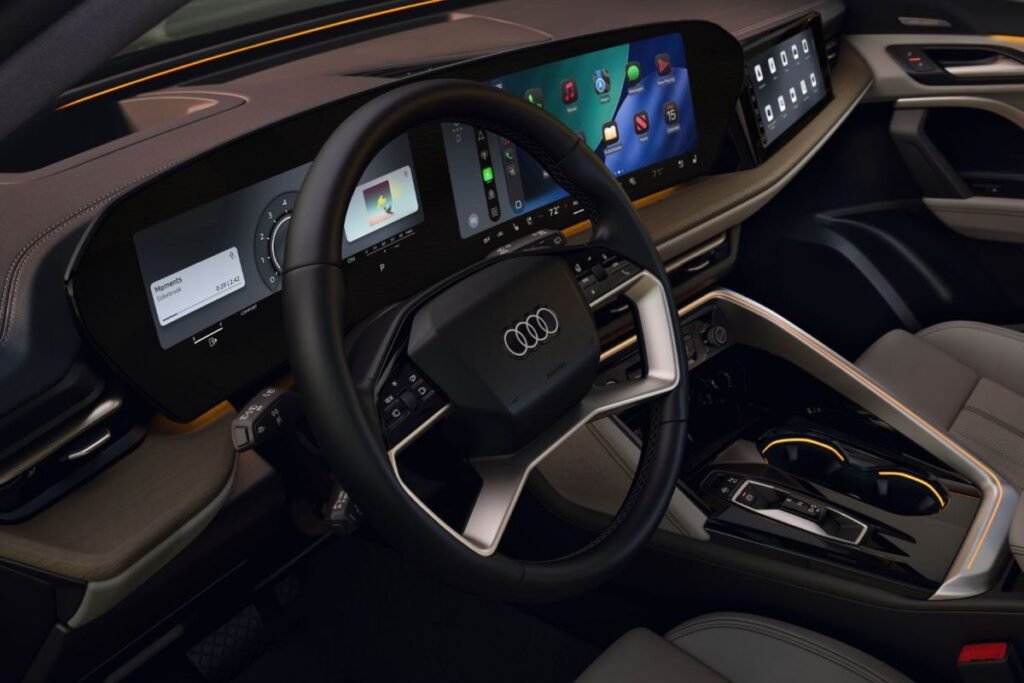
For a long time, Audi stood head and shoulders above the rest in terms of interior quality, and that quality could be felt in every operation in the cabin, from the smoothness of the A/C vent adjustment to the click of a button for the infotainment system. But that quality feel has since been replaced by a certain cheapness, and that physical feel by excessive screen integration. Fortunately, Audi is on a path of self-correction, and the man helming its design direction plans a return to simplicity and understated luxury. Speaking with Top Gear, Audi chief creative officer Massimo Frascella said that the German automaker now views tactility as “very important,” indicating that the ethos of last year’s Concept C will find its way to future production cars.
Audi Will Do Things Its Own Way
Audi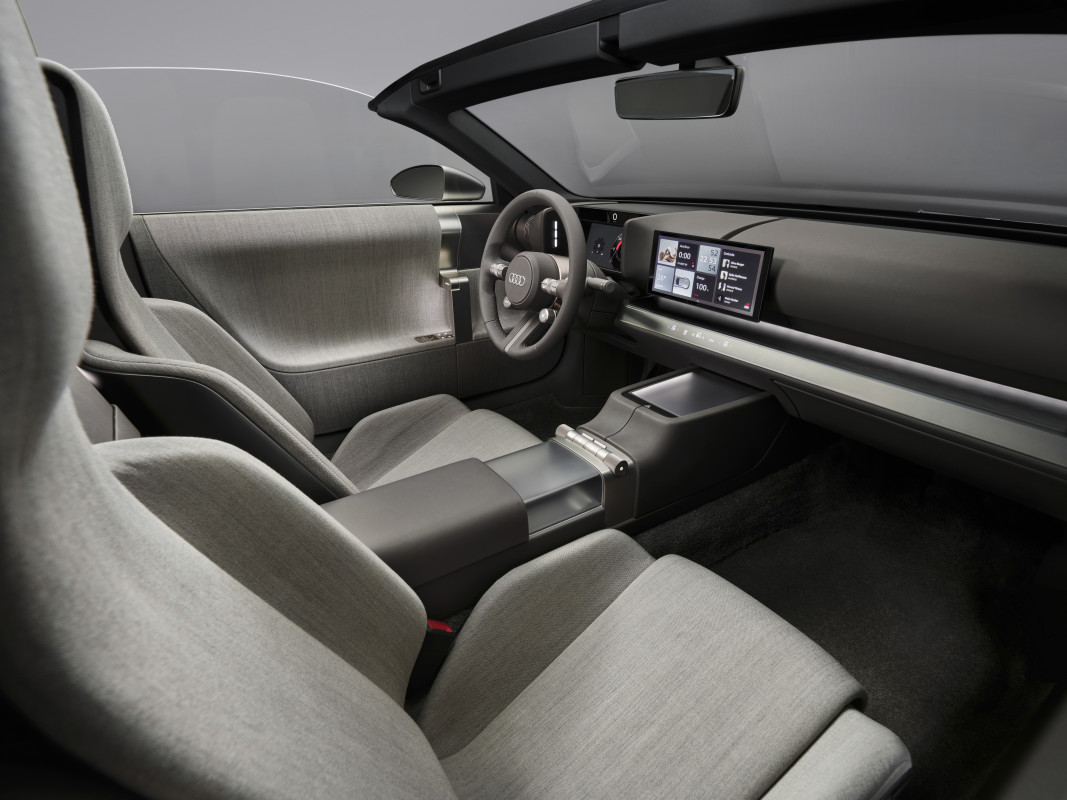
Frascella, whose CV includes the Velar, Defender, and most recent Range Rover, knows a thing or two about understated style, which is exactly what Audi should be all about, and he says that Audi needs to find its “own way” to deliver the brand experience and not be “like everyone else.” He added, “It’s not about taking things out, it’s just offering the technology and the functionality in a way that’s beneficial for the customer.” In other words, automakers can’t remove screens from cars, but they can make them better to interact with. “Tactility is very important,” said Frascella. “Big screens are not the best experience. It’s technology for the sake of technology. For us, technology is there when you need it, not there when not needed.”
This contrasts with automakers like Mercedes, whose Hyperscreen dominates the cabin, whether a user is operating the infotainment screen or just driving. Frascella adds that a “mix of digital and analog,” as well as tactility and a perception of quality, is very important for Audi. In other words, don’t expect to see the 14.5-inch touchscreen and 11.9-inch driver display of the latest Audi Q5 living much longer.
What to Expect from Future Audis
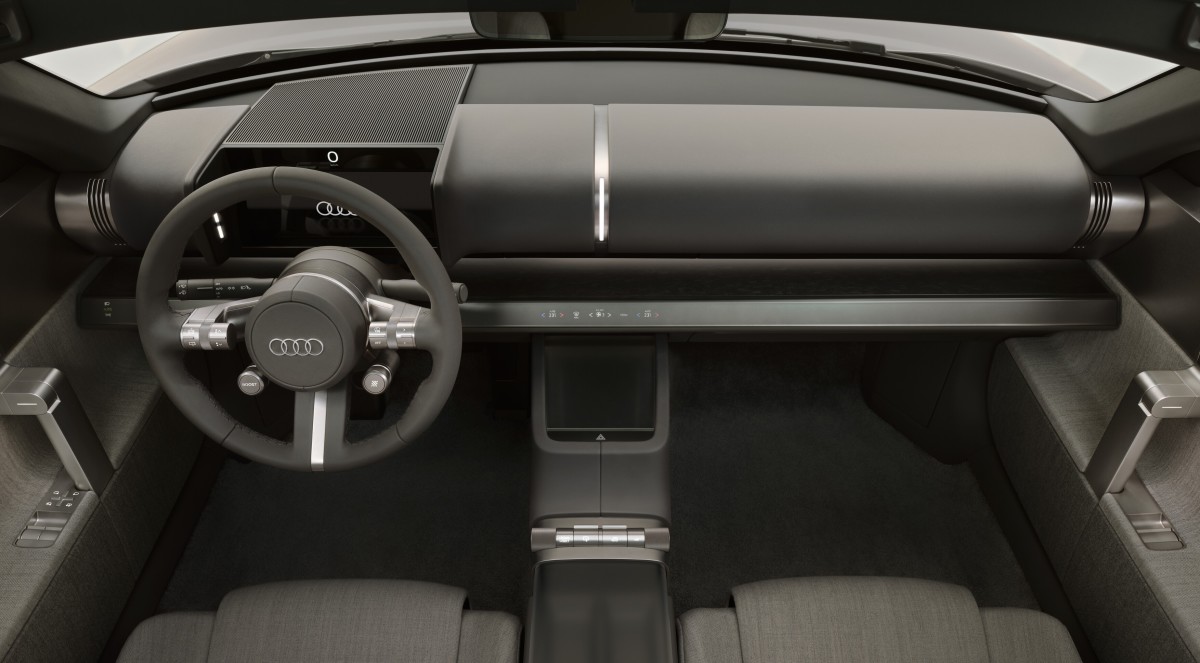
Audi’s Concept C provides clues as to how its future cabins may look. The car has a simple steering wheel with physical switches and buttons, behind which physical stalks reside. Plenty of anodized aluminum helps create that premium feel Audi has been missing, and further back, an ample but not oversized display provides necessary information to the driver in a recessed slot in the dash, making the screen itself seem smaller and less “in your face.” Alongside it on the dash is the central infotainment display, which measures only 10.4 inches. In a world where most premium cars have inches measuring 12.3 inches or more, including many contemporary Audi products, this kind of restraint calls to mind the products Ingolstadt was producing 10 or 15 years ago. Better yet, the Concept C’s screen folds away when not in use. Hopefully, with Frascella in charge, these sorts of elements will find their way to production soon.