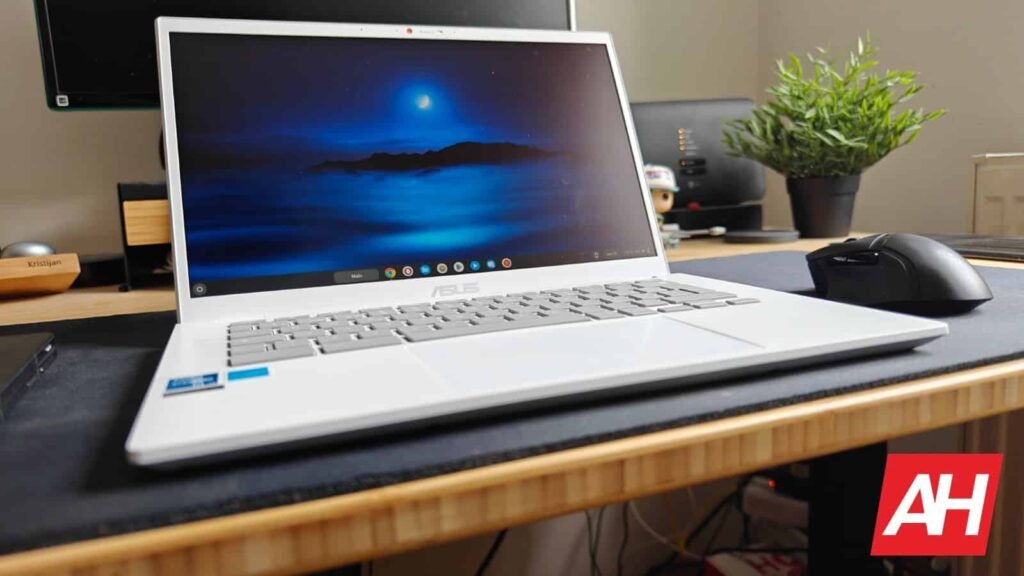

For over a decade, Chromebooks have become as common in schools as notebooks and pencils. Educators often praise these devices for their affordability and versatility. However, newly revealed internal documents from Google suggest a more calculated business motivation. According to presentations surfaced during a major social media addiction lawsuit, Google views its presence in schools as a way to “onboard” children into its ecosystem to build brand trust that lasts a lifetime, and Chromebooks would be their main method.
One specific slide from a 2020 presentation, recently reported by NBC News, states quite clearly, “If you get someone on your operating system early, then you get that loyalty early, and potentially for life.” This strategy aims to create a “pipeline of future users.” After years of using Google tools for homework, they will naturally choose the same brand as adults.
“Loyalty for Life:” Internal docs show Google’s long-term school strategy
The papers also explain how complicated Google’s relationship with YouTube is in the classroom. The company wants to make the video platform a main way to learn. At one point, they even thought about a world where school budgets would go from buying books to paying for YouTube subscriptions. However, its own research shows that there are big risks.
Slides from as recently as 2024 say that YouTube can be “distracting” and “unsafe.” Researchers also found that a lot of users regret the time they waste when they “go down the rabbit hole.”” That means staying up late and not getting enough sleep. In one case that has been recorded, a student looking for “linear equations” was given a link to a Will Ferrell comedy sketch by a user with a very inappropriate username.
A growing debate on tech in schools
Education experts, like cognitive neuroscientist Jared Cooney Horvath, are beginning to voice their concerns. Horvath argues that while these companies speak about learning, it often serves as a cover for securing lifelong customers. On the other side of the aisle, Google spokesperson Jack Malon stated that these documents “mischaracterize” the company’s mission. Malon emphasized that administrators maintain full control and that YouTube content is a response to the high demand from educators for curriculum-aligned material.
As jury selection begins this week for the trial involving Google, Meta, and ByteDance, the conversation is shifting. The question is no longer just about whether technology helps students learn, but whether the classroom should be a space for corporate brand-building. Currently, schools account for 80% of all Chromebook purchases in the US.
The post Catch Them Young: Google Allegedly Using Chromebooks to Build Lifelong Users appeared first on Android Headlines.