Backing Away From The Brink of Trade War
After months of escalating tensions, the European Union and China have agreed to a framework replacing tariffs on Chinese electric vehicles with minimum pricing agreements. Rather than forcing Chinese manufacturers to pay tariffs, the EU is asking China to sell cars at or above a predetermined price floor.
China’s Ministry of Commerce called the framework an important breakthrough. It marks a marked departure from 2024, when China threatened countermeasures on European imports. Notably, Chinese carmakers captured nearly 13% market share of electric vehicles in Europe by the end of 2025, despite the existing tariffs.
How the Price Agreement System Actually Works
Under the new framework, Chinese manufacturers avoid tariffs by guaranteeing their vehicles won’t undercut European competitors. Each carmaker negotiates its own minimum price floor with the EU, based on vehicle type and market segment. The EU monitors compliance through import documentation and can reimpose tariffs if manufacturers breach agreements. This system allows Chinese EVs market access while theoretically protecting European automakers from what Europe calls predatory pricing. However, enforcement remains challenging since manufacturers can adjust specifications or introduce new models to work around pricing commitments.
Volkswagen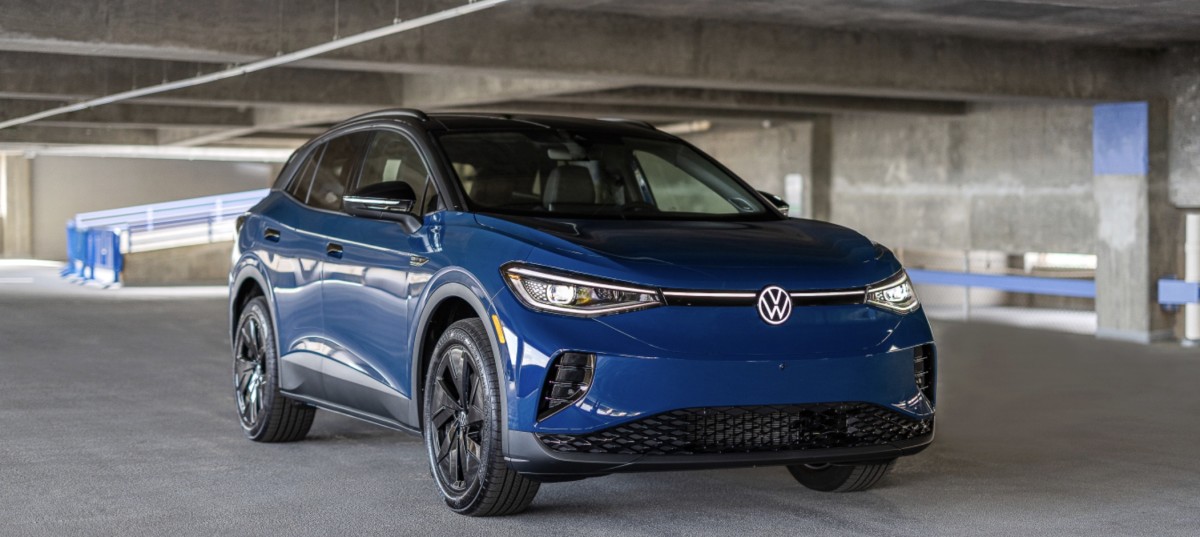
America Took A Different Approach
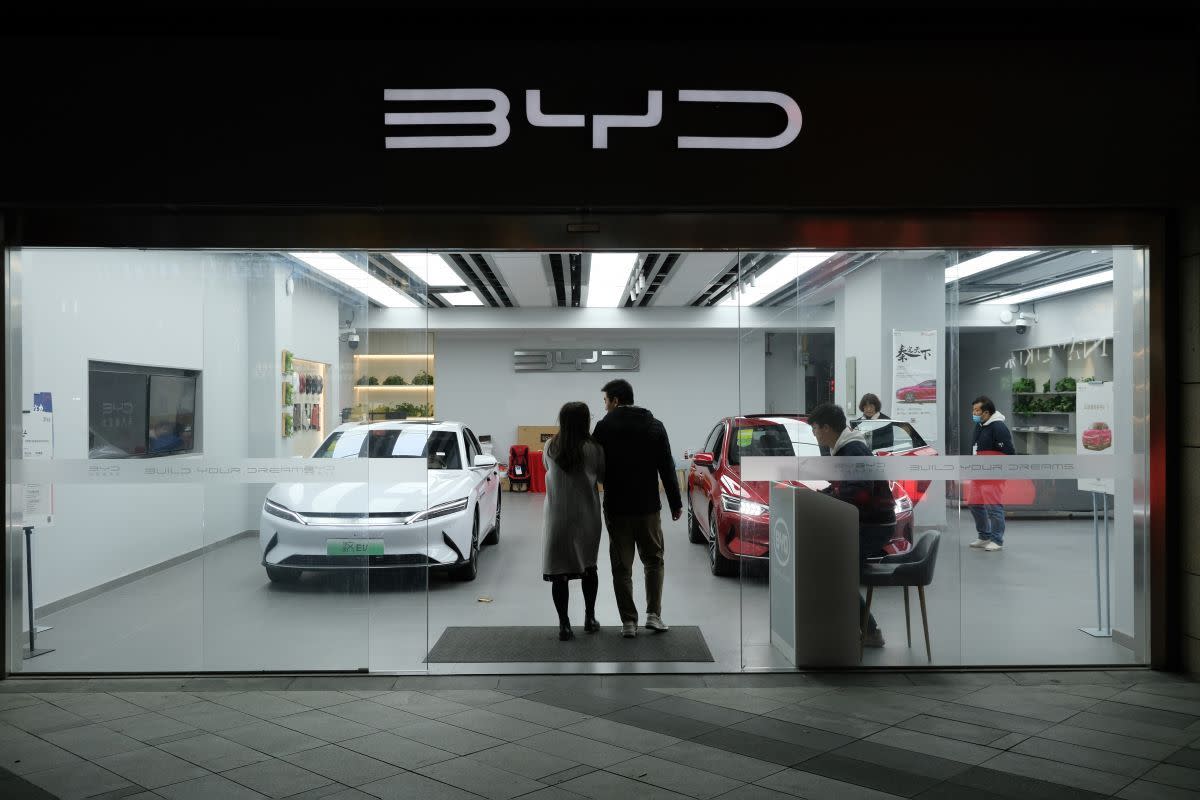
In comparison, the United States has taken a fundamentally different path to address the looming threat of cheap Chinese EVs undermining domestic production. Electric cars, like the best-selling $10k BYD Seagull with a 250-mile range, could seriously shake things up in the US market, where the average price of new cars has crossed $50,000. The Seagull, and a flood of Chinese EVs like it, remain unobtainable in America thanks to high import tariffs, bans on the connected tech in them, and registration hurdles that’ll turn off even the most enthusiastic deal-shoppers. The practical impact on consumers remains minimal in the US, since Chinese EVs represent only 2% of total electric vehicle imports.
BYD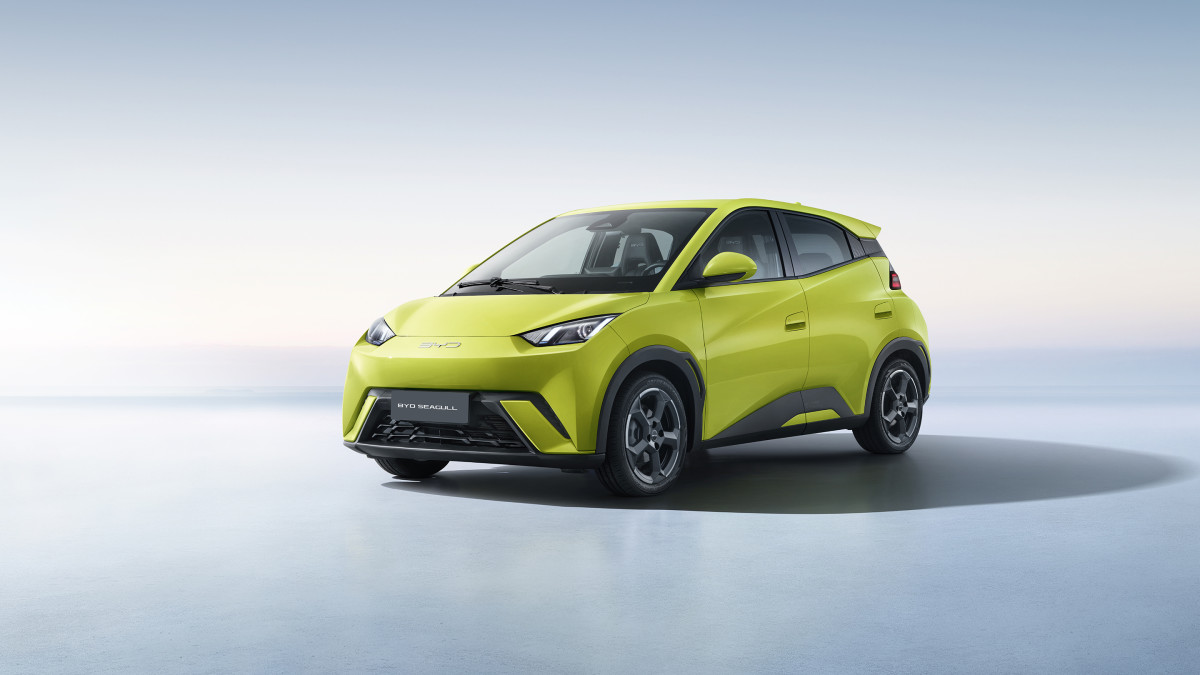
Why the US Won’t Adopt EU-Style Pricing Agreements
The probability of America implementing EU-style minimum pricing appears extremely low. All things considered, the tariff debate is bipartisan, now leaving little room for diplomatic compromise. Secondly, the US puts national security and industrial policy before access to super-affordable Chinese EVs. Lastly, with Chinese EVs representing a tiny fraction of vehicular imports, the US faces much less pressure than the EU to compromise, where electric vehicles from China clocked in over 20%.
Europe has sought to regulate Chinese competition while keeping markets open. America has chosen to wall off its market, betting domestic manufacturers can catch up behind protective barriers.