Not Exactly a Secret
Cars have been collecting data the moment vehicle telematics became widespread. These days, however, it’s more extensive now given the advancements in technology. There are more data points to collect, which has become a concern for consumers.
The worry here is that the data is being collected by third-party companies that then offer it for sale to those who need, or rather, want it. Since then, there have been several lawsuits against automakers that claim regarding the matter.
James Riswick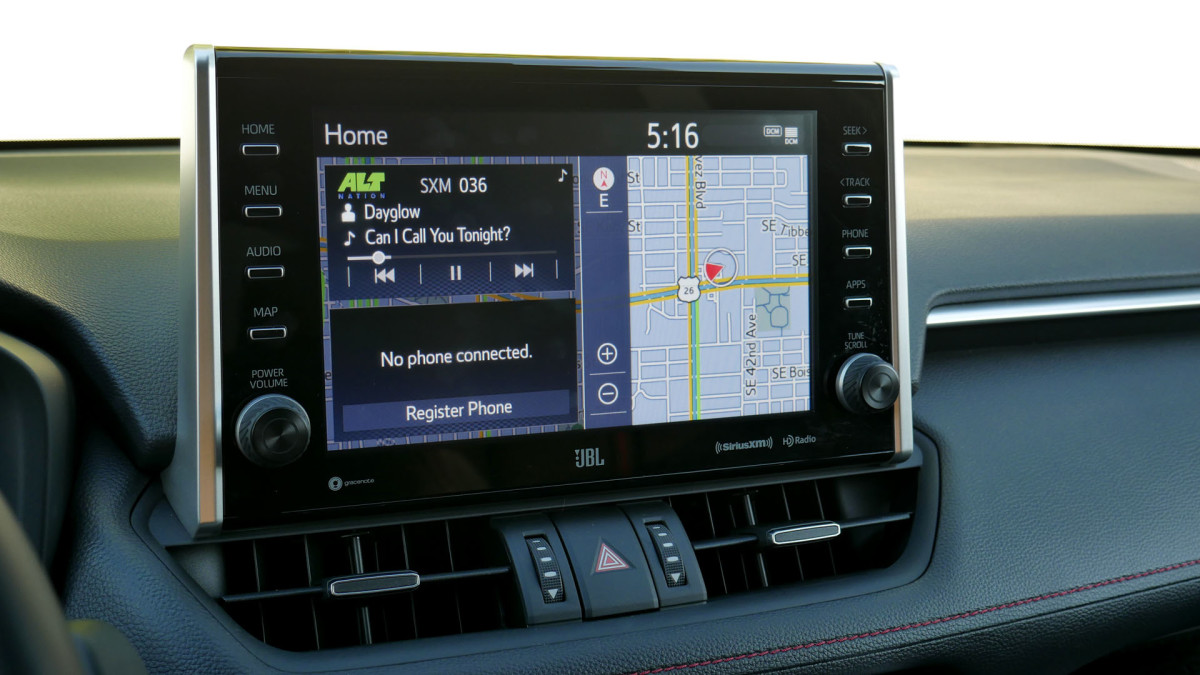
This Time, It’s Toyota
More recently, Toyota has been named in a lawsuit for the “unauthorized collection and dissemination of private information collected” by a Florida resident, WTSP reports. The plaintiff claims that data was gathered from his vehicle’s telemetry, specifically a 2021 RAV4. He found that out when he was getting insurance for his vehicle, only to find that there was already a comprehensive driving profile on him.
Toyota has since argued that the plaintiff accepted the terms and conditions of its connected services. It includes the collection of data “on a continuous and regular basis,” although there was no mention of whether said data could be purchased by affiliates outside of Toyota. That said, it’s unknown whether rejecting the terms and conditions disables the vehicle’s connected services.
Toyota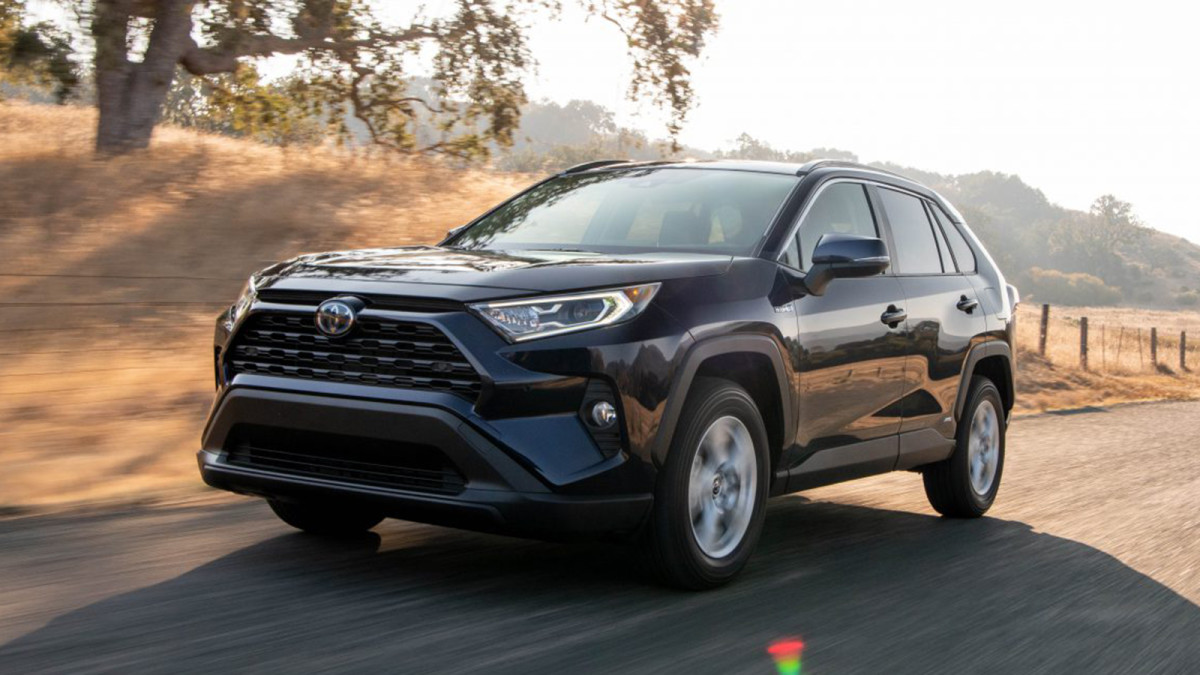
Features Masquerading as Data Gold Mines
Remember GM’s Smart Driver program? It analyzed driving behavior and gave a score at the end of every trip, turning into a challenge of sorts for those behind the wheel to gain a higher score. But on the other side of the screen, it was a data gold mine for GM and its affiliates, and allegations of sharing said data without consent came pouring in.
The automaker has since been penalized by the FTC. GM has been ordered to stop selling data for five years. However, these ‘driver score’ systems are still around and allegedly continue to gather telemetry. That’s on top of the microphones in vehicles and built-in apps such as navigation and concierge services.
Is There a Way to Avoid It?
As we mentioned before, “take one extra walk-around: ask the dealer what data you’re opting into. If they cannot answer you, huge red flag.” Also, take time to read the ‘lawyer screens’ and, if possible, disable the so-called driver score apps.
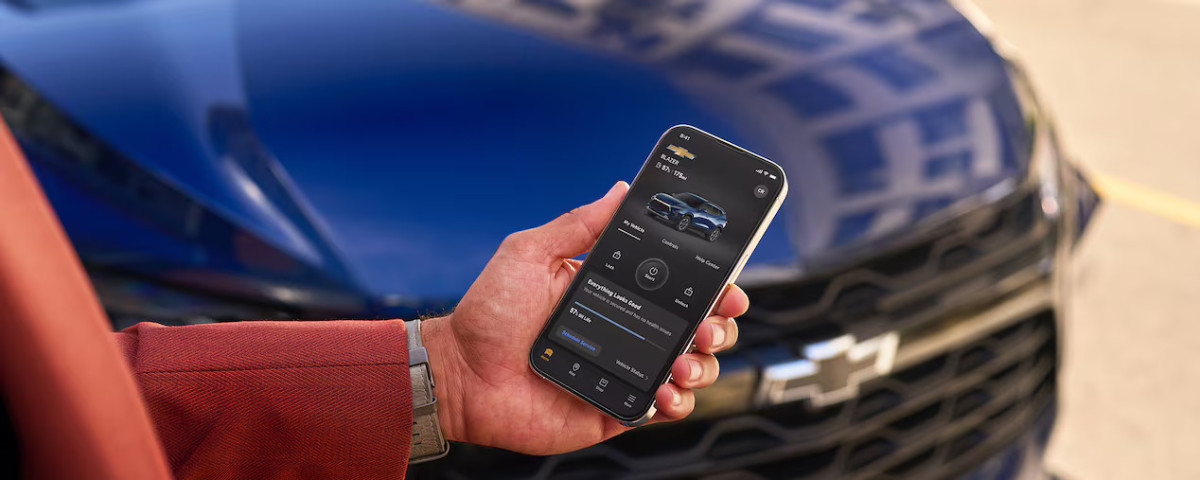
Some automakers offer the option to delete the data entirely. That should come in handy if one is getting a second-hand vehicle. Privacy settings can also be changed via an application if possible.
But if you want to avoid all of that completely, the only solution here is to get a relatively analog car with no telematics whatsoever. With that, driving a modern classic doesn’t sound like a bad idea at all.
Toyota