Class Action Lawsuit Over Transfer Case Issues
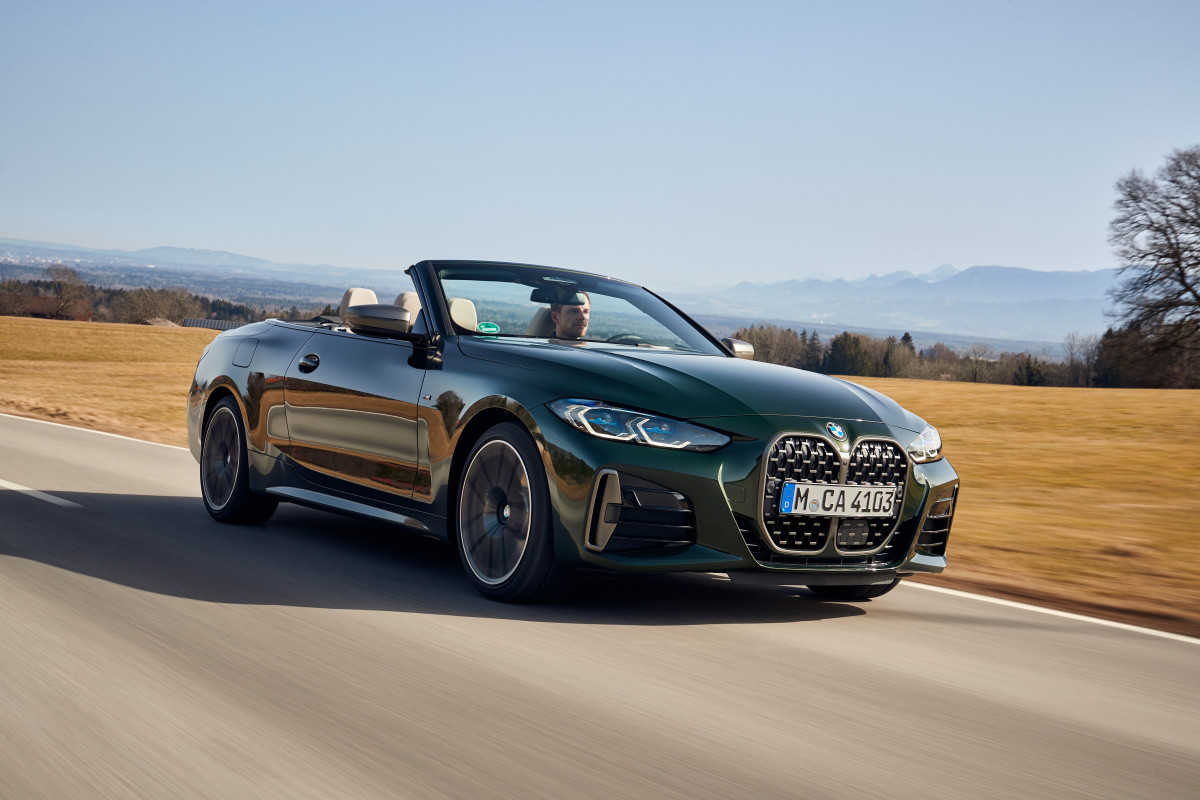
BMW is the target of a new class action lawsuit alleging that several of its popular models suffer from drivetrain defects that cause the vehicles to jerk or shudder, particularly during slow turns or light acceleration. Filed in the U.S. District Court for the District of New Jersey, the complaint accuses BMW of North America and its German parent company of selling cars equipped with faulty xDrive transfer cases that fail to distribute torque between the front and rear wheels properly. The suit claims these issues make vehicles feel unstable and diminish overall driving performance, an ironic problem for a brand that markets itself on precision handling.
According to court filings, the alleged defect affects a long list of 2019–2025 model-year BMWs, including the X3, X4, X5, X6, X7, and several 2, 3, 4, 5, 7, and 8 Series models, as well as the 640i xDrive Gran Turismo. All share the xDrive all-wheel-drive system, which the lawsuit says is prone to torque-transfer issues and internal wear. M Series models are excluded from the complaint.
The plaintiffs argue that BMW has been aware of these issues for years, yet failed to alert customers or provide adequate repairs outside of warranty coverage.
BMW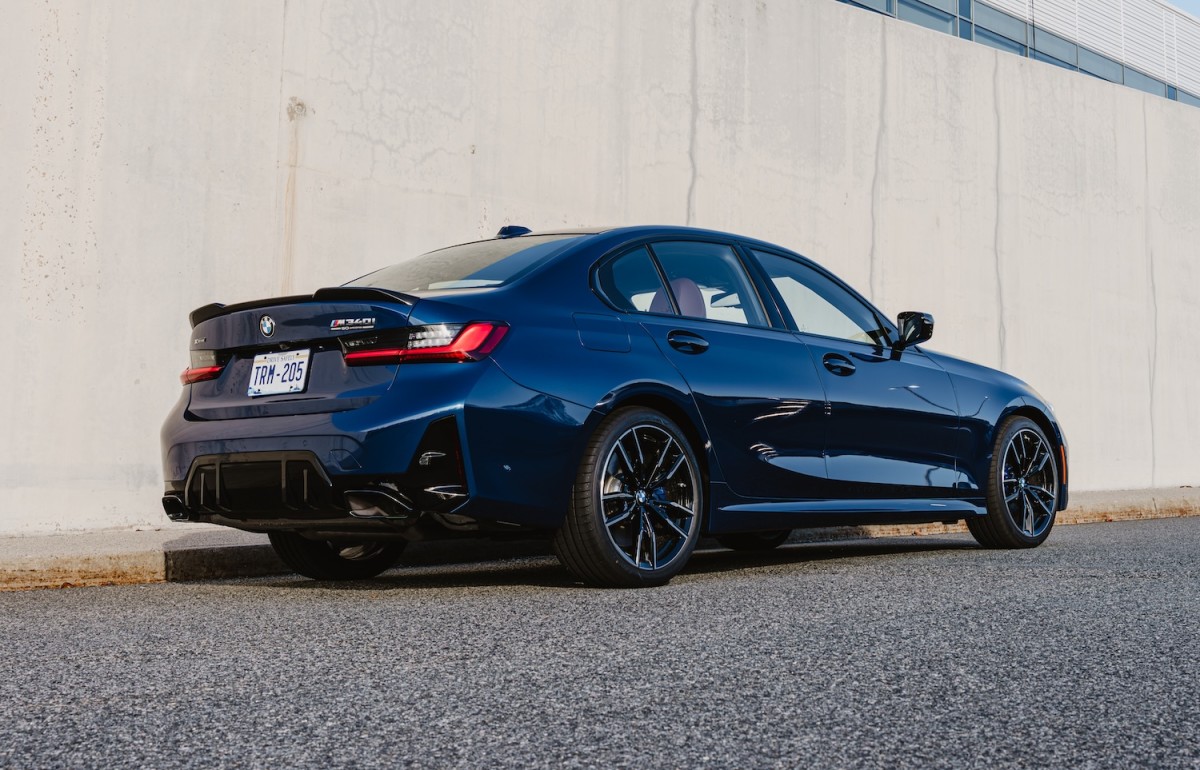
BMW’s Own Bulletin Cited as Evidence
AsCar Complaints pointed out, central to the lawsuit is a BMW service bulletin issued in May 2020, which acknowledges owner complaints of jerking and shuddering in the driveline of certain XDrive vehicles. The document advised dealers that the issue might stem from transfer case oil that “does not meet BMW specifications.” It also noted that the problem could appear without warning lights or fault messages.
In March 2025, BMW reportedly updated the bulletin to include more affected models, a move that plaintiffs say confirms the company knew the problem was widespread.
Despite those internal communications, the lawsuit claims BMW continued selling vehicles without warning consumers of potential transfer case failures. Owners say they were left to diagnose the issue themselves or pay out-of-pocket for repairs. The complaint also alleges that because the defect is linked to factory-filled fluid, which BMW advertises as lifetime-filled, customers were led to believe no maintenance was needed. As a result, they argue that vehicles lost value from the moment of purchase due to an undisclosed driveline flaw.
Expensive Repairs and Warranty Disputes
Repair costs are another flashpoint in the case. A simple transfer case fluid replacement can run from $250 to $1,300, while a full transfer case replacement can cost between $7,000 and $13,000. The lawsuit contends that BMW dealerships often require fluid replacement before authorizing any larger repair, even though the automaker’s maintenance schedule does not list such service as routine. Owners say these unexpected costs add up quickly, especially once warranties expire.
The plaintiffs also take issue with BMW’s warranty structure, noting that while the automaker may cover repairs under its New Vehicle Limited Warranty, it does not extend the same protection to vehicles under Certified Pre-Owned or Extended Service Contracts. The suit argues that this leaves many owners paying to fix a defect that BMW allegedly knew about for years. For customers who buy CPO vehicles expecting factory-level reliability, the lack of coverage can be a frustrating surprise.
BMW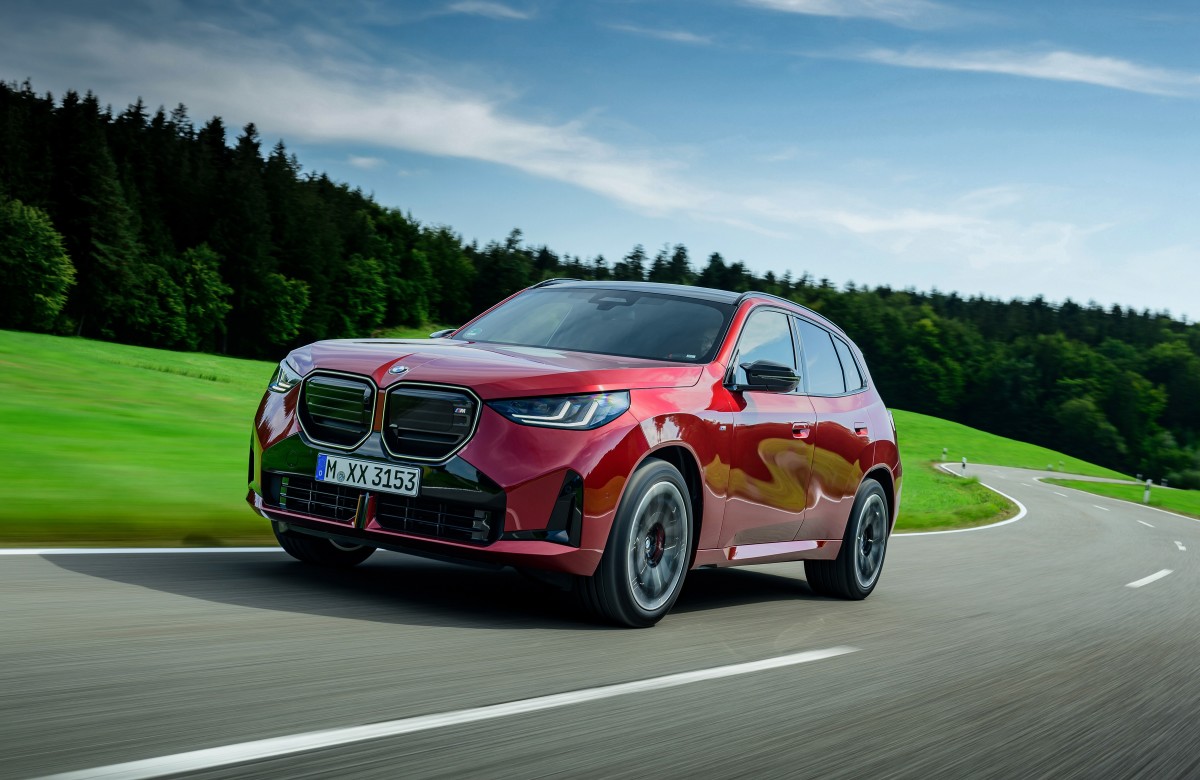
What Happens Next
This lawsuit follows recalls made this year by the brand, particularly related to safety. The lawsuit, filed as a property damage product liability case, seeks compensation for repair costs, diminished vehicle value, and related damages. It also requests a jury trial. BMW has yet to respond publicly. If the allegations hold up, the automaker could face mounting pressure to address the defect through a recall or extended warranty coverage.
Until then, BMW owners reporting jerking or shuddering from their XDrive systems may find themselves in a gray area, caught between warranty limitations and repair bills that can stretch into five figures. For a brand long associated with “the ultimate driving machine,” the growing legal fight over its all-wheel-drive technology could prove to be an expensive test of customer loyalty.
BMW