According to the World Economic Forum, 40% of employers expect to reduce their workforce where AI can automate tasks by 2030. Thanks to artificial intelligence, leaders are under pressure to raise the bar on what they will deliver to their stakeholders—with the expectation that thanks to AI, companies can (and must) achieve more.
That matters for job hunters, who need to get clear on the value they can provide to organizations if they want to get hired. And while we can be reactive—relying on the AI screeners, which many recruiters use, to select us out of the pile of submitted résumés—we should get proactive, smartly deploying our networks to get our feet in the door.
With virtual and hybrid work putting screens between us and our coworkers, relationship-based networking can feel like a dying art. Yet it’s our professional connections that can very well be what’s needed to help us break through in the job market in the AI era. Many professionals agree: research from the networking tech startup Goodword finds that 83% of professionals believe the most valuable asset in an AI-dominated future is social capital.
That means growing your own social capital. Here are four real-life networking moves to master amid the onset of AI.
1. Invest in mutually-supportive relationships, not one-sided transactions
The U.S. Department of Labor estimates that 80% of available jobs go unadvertised, with experts suggesting that these are filled through professional connections. Yet most people don’t network on an ongoing basis.
One LinkedIn global survey finds that less than half of professionals keep in touch with their networks when things are going well. One of the leading causes for not doing so: not wanting to ask strangers for favors.
Consider a mindset shift. Instead of asking favors, consider where you may be able to give someone else value. You may refer someone in your network to a professional who offers a service they need, for example, or connect them to someone who can help them solve a business challenge.
According to Ivan Misner, founder of networking organization BNI and the author of Networking Like a Pro, social capital is like financial capital. “You cannot make a withdrawal before you make a deposit,” he writes. “You have to invest time in the relationship.” Think about how you can build and foster relationships with your network, especially before asking for help with job searching.
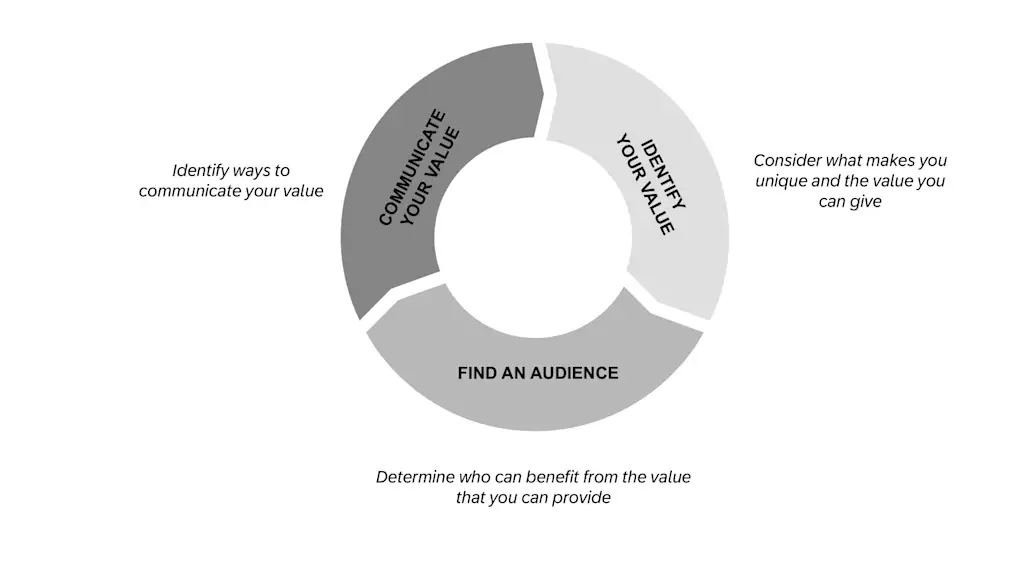
2. Be clear on your unique value with the right audiences
We can’t provide value to everyone all the time. When we communicate the unique skillsets that we have to the people and organizations that can benefit from them, we increase the opportunities that people can consider us for.
In his book The Start-Up of You, LinkedIn cofounder Reid Hoffman offers this advice: networks are not only about who you know, but what they know about what you can do. With 1.2 billion users on LinkedIn, there has never been an easier way to communicate what you do, who you serve, and how you do it through quick posting. While just 1% of LinkedIn users post content on a weekly basis, you can reach connections in your network by putting yourself in front of them frequently.
3. Approach networking as an opportunity for learning
Too often, people approach networking as a self-promotion opportunity rather than a chance to learn. Whether it’s fostering your existing network or building new relationships, we have two ears and one mouth to listen and learn.
I personally like connecting people in similar roles at different companies together to be thought partners and learn from each other. If you’re wrestling with a work challenge, chances are that others may have been in a similar situation and have insight to share. Networking to learn, rather than to promote, can help spark new ideas, along with new connections.
4. Balance technology with humanity
And you can also use AI itself to make your personal networking more effective. As an alternative to LinkedIn, apps like Bizzabo and Brella use AI to match attendees at networking conferences and events with similar interests. In other cases, you might tap AI to find personalized recommendations for virtual events and webinars, ensuring individuals can connect and engage in ways that are most relevant to them.
Technology like AI can enable us to scale our impact, including in our networks. By combining the science of AI with the art of relationships, any professional can open doors to opportunities they may not have tapped otherwise.