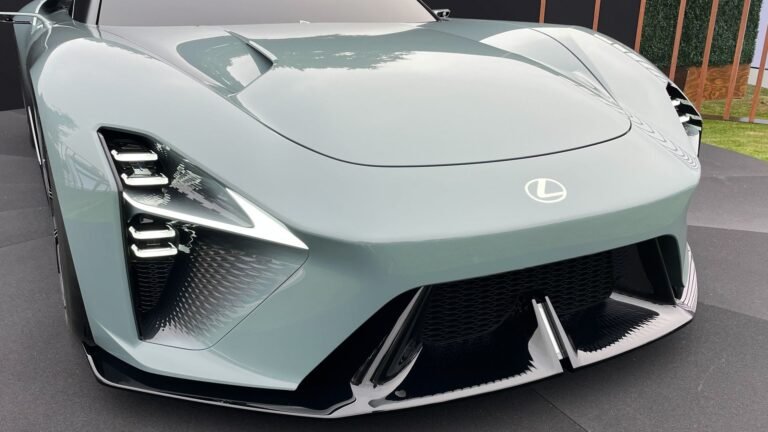
The street is dark, your neighbors’ houses are out, and your kids are still watching Netflix like nothing happened. The difference is sitting in your driveway. Vehicle-to-home charging turns a Kia EV9 or Hyundai Ioniq 9 into a giant backup battery for your house, not just a way to skip gas stations.
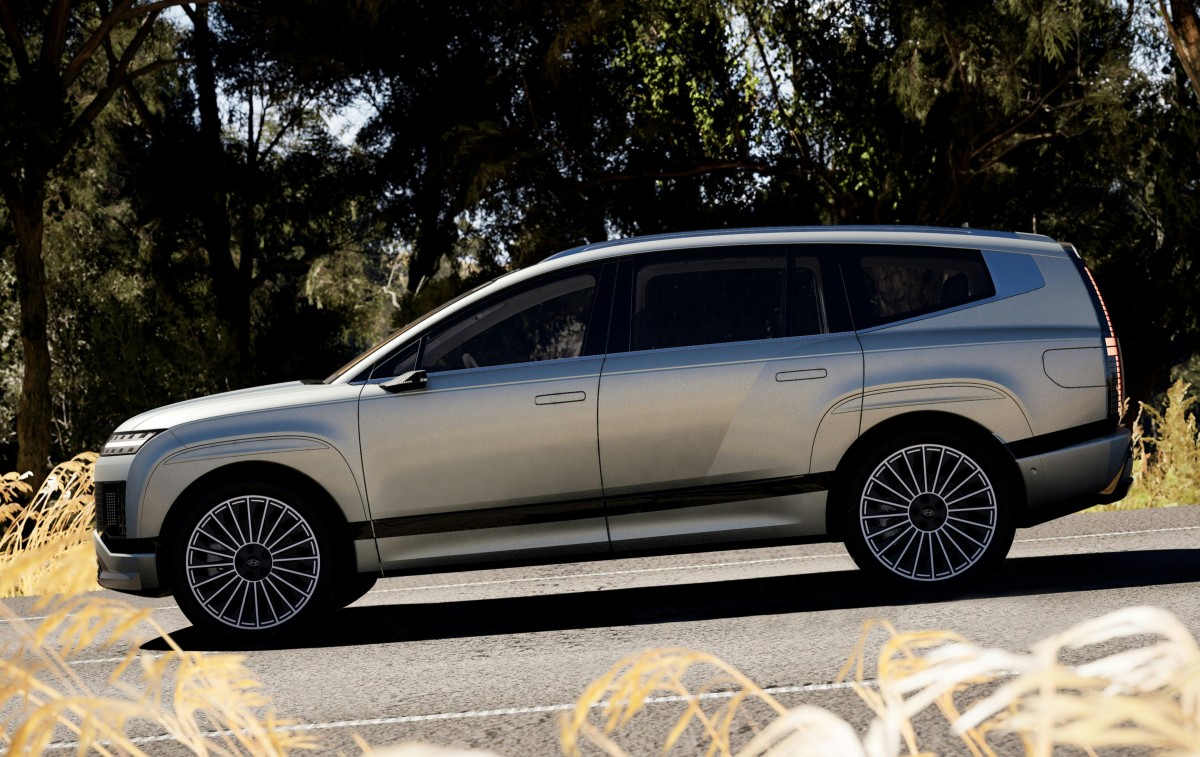
Following up on our earlier piece on Vehicle to Grid (V2G) implementation status, we now see considerable movement from at least two major brands on bringing this mainstream to residences. Extra energy from your car goes straight to power you home, and it will surprise you just how much you car can power your home!
Kia already sells full vehicle-to-home charging for the EV9 in the U.S. using the Quasar 2 bidirectional charger and a Power Recovery Unit from Wallbox. That setup can send up to about 12 kW back into your home and, on paper, cover as much as three days of power for a typical U.S. house that uses around 25 kWh a day, as long as the EV’s big pack starts full and you do not waste energy.
Now, if V2H sounds abstract, the schematic below lays out the basic structure — grid, box, car, house:
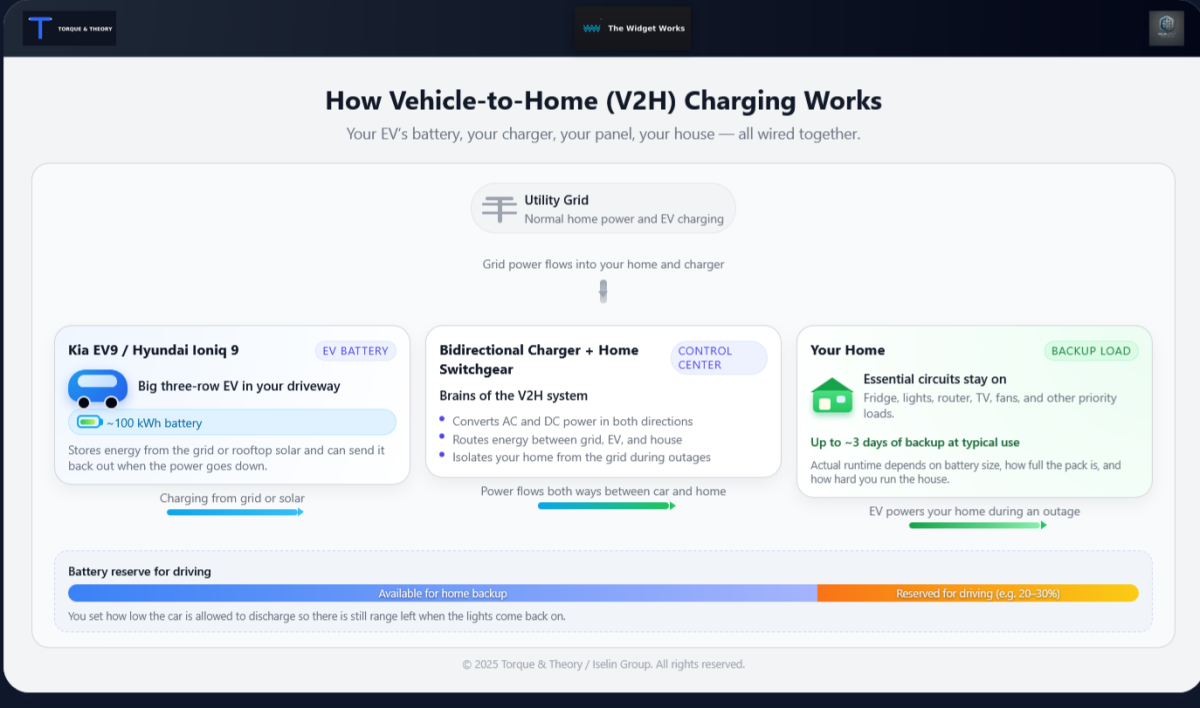
Figure 1: How V2H Works. This schematic shows how power can flow from the grid to your car and then from your car back into your house. It’s basically a simple map: wall box and switchgear in the middle, car on one side, home on the other, plus a small bar showing how much battery you save for driving.
And Hyundai is now rolling the same built-in V2H idea into the Ioniq 9 and tying it into a global “V2X” (x meaning anything that needs powering) plan that mixes vehicle-to-home in the U.S. with vehicle-to-grid (V2G) services in places like Jeju Island and the Netherlands.
Kia EV9: Family Hauler Meets Backup Power
The Kia EV9 is already a serious family rig: three rows, a calm ride, and an available 99.8-kWh battery with an EPA-estimated range of up to 304 miles on the Light Long Range RWD trim. On the road, it feels like the electric answer to all those turbocharged crossovers you see everywhere, only quieter, smoother, and easier on “fuel economy” because you are drinking electrons, not premium.
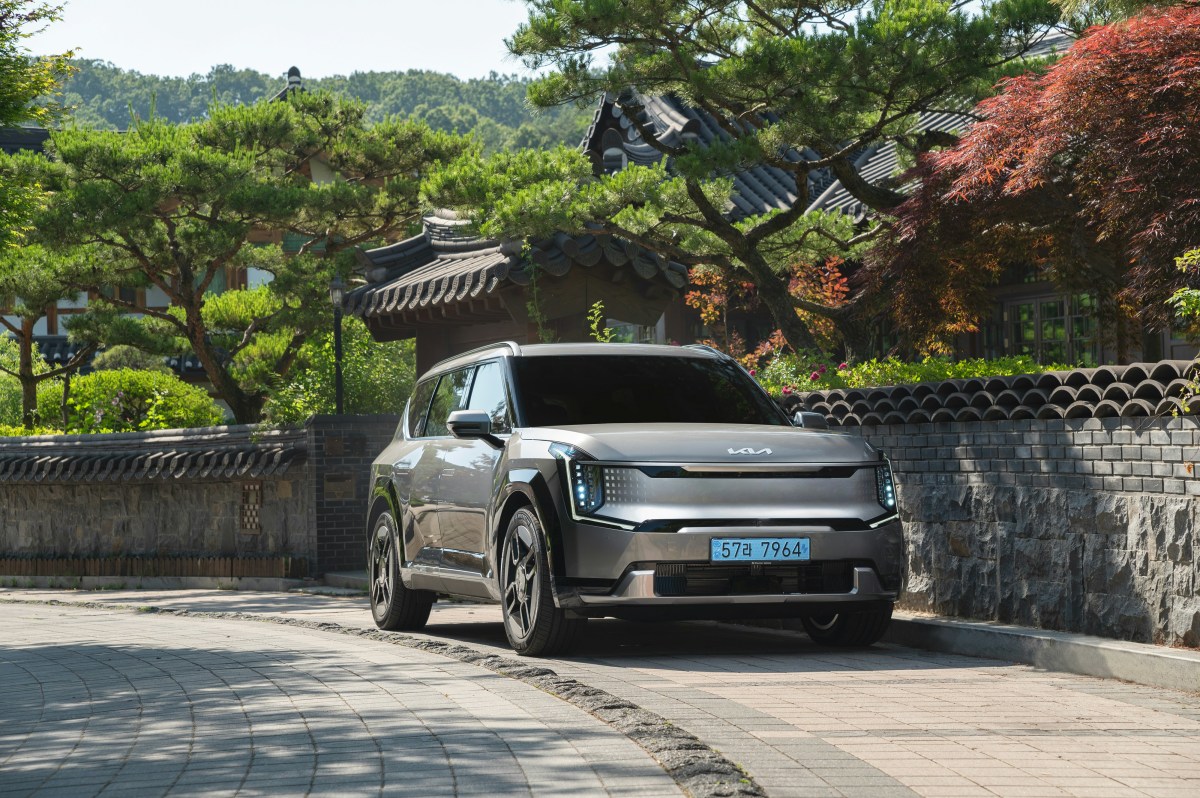
Add Kia’s official V2H setup and the EV9 becomes part of your house. The Quasar 2 and its Power Recovery Unit isolate your home from the grid when it goes down and let the EV9’s battery run the panel. Wallbox and Kia both talk about “up to three days” of backup, which lines up with that 99.8-kWh pack and typical home use, as long as you keep some state of charge in reserve to drive.
The chart below shows it better than words: one day of a normal house on the left, a big EV battery on the right. I was really skeptical when I first heard about a car powering a house. But it does, Easily.
Figure 2: House vs EV Battery. This chart compares one day of energy use in a typical U.S. home with the size of a Kia EV9/Hyundai Ioniq 9 battery. The left bar stacks up what your fridge, lights, TV and AC use in a day; the right bar shows that your EV battery holds enough juice to run that same house for several days, while still keeping a chunk in reserve so you can drive.
So, now when you cross-shop the EV9, you are not only comparing handling and ride comfort. You are also deciding whether you want a gas generator on the side of the house, a wall-mounted battery, or a three-row SUV that does both school runs and storm duty.
Hyundai Ioniq 9 Joins the Backup Power Game
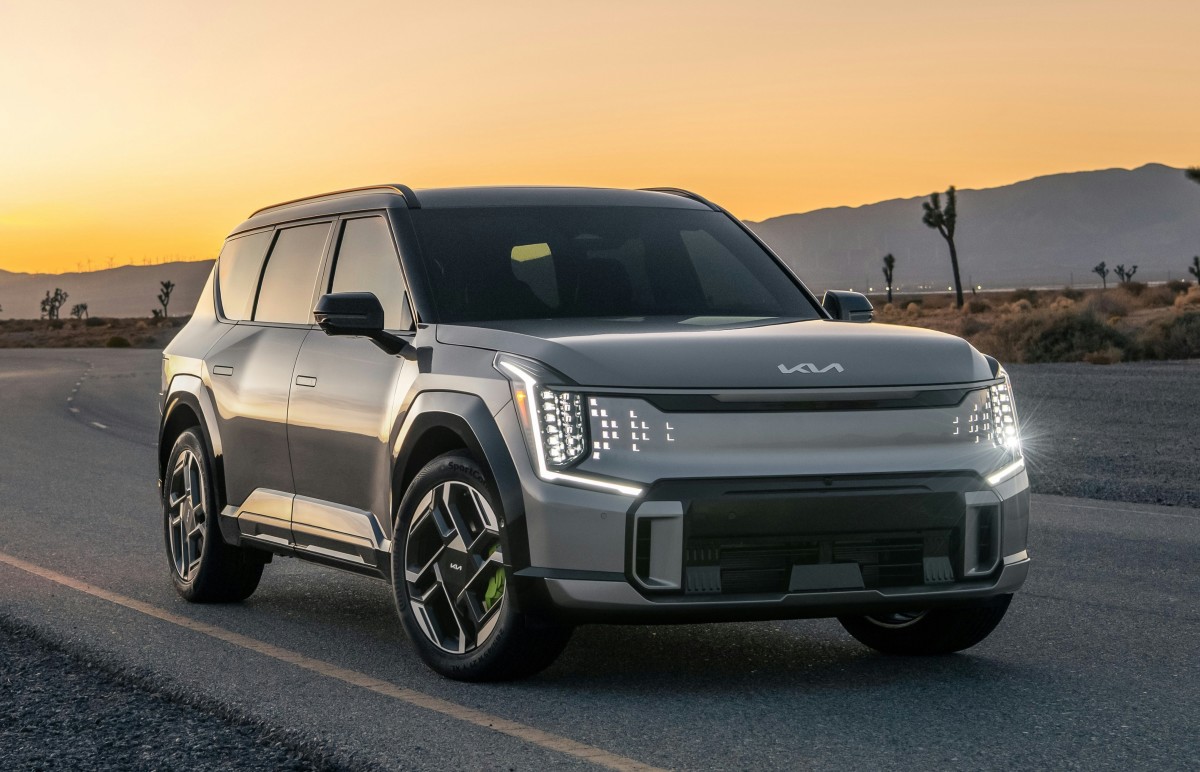
The Hyundai Ioniq 9 is the sister ship: a big three-row electric SUV with a battery around 110 kWh, dual-motor versions with more than 400 horsepower, and up to roughly 335 miles of range depending on trim and market. It rides on the same E-GMP platform, so you get that same easy, quiet highway gait and tidy low-speed handling you expect from a modern EV.
Hyundai has already named the Ioniq 9 as one of the first cars in its global V2X rollout, right alongside the EV9. That means the same basic deal for you: buy one big family EV, install the right bidirectional charger, and your driveway turns into a battery farm. Instead of a generator roaring away on gas, your house quietly sips power from the Ioniq 9 until the grid comes back.
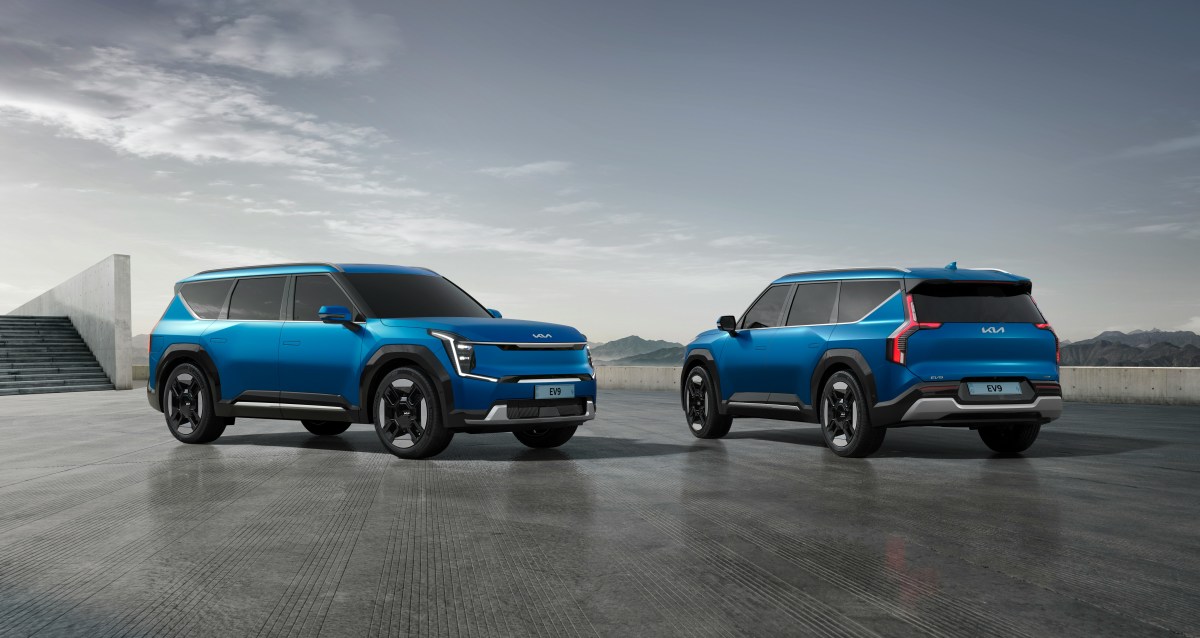
The Bottom Line: You’re Buying Energy Storage on Wheels
If you are shopping a Kia EV9 or Hyundai Ioniq 9, you are not just picking between badges and seat fabrics anymore. You are deciding where your next big battery lives.
Go with a traditional setup and you get a three-row SUV plus a separate wall pack or generator. Go with vehicle-to-home charging and your three-row EV is the wall pack, with 100-plus kWh of storage that drives the kids all week and keeps the lights on when the grid checks out.
So, when you spec that next family hauler, ask one more question: when the power drops, do you want to be the house in the dark, or the one still making popcorn?