You might recognize the name Michael Burry if you watched The Big Short
If you follow Wall Street and/or have watched the 2015 Academy Award-winning film The Big Short, the name Michael Burry may ring a bell. If you have never watched the film, it basically depicts the onset of the 2008 financial crisis and how it was triggered by a housing market bubble in the United States from four different investor perspectives.
Without spoiling the entire premise of the film, Burry, played by Christian Bale, was one of the first to recognize the impending crisis and arranged with major banks to short, or bet against the market, which put him in the black once the bubble burst and the recession began.
Up until earlier this year, Burry managed his hedge fund, Scion Asset Management. However, he has since shuttered and returned money to investors, allowing him to discuss his views on his Substack, in which he disclosed a significant flaw with the AI industry, specifically affecting Nvidia and Tesla.
Win McNamee/Getty Images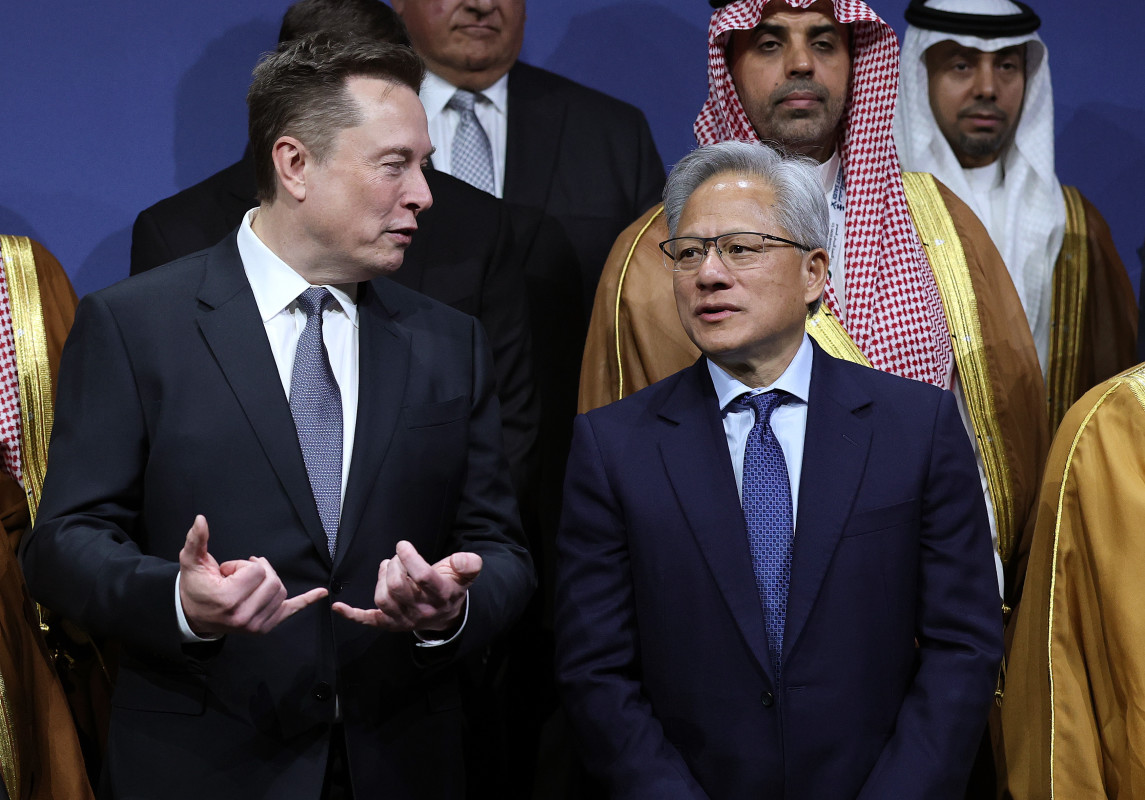
Burry: AI companies like Nvidia and Tesla have a serious problem
In a new post on his “Cassandra Unchained” Substack page titled “Foundations: The Tragic Algebra of Stock-Based Compensation”, Burry wrote a plea supporting advanced algebra to explain in-depth how AI leaders like Nvidia and Tesla have used stock-based compensation to obscure the real costs of operating their companies; something he finds problematic for its shareholders and to the health of the companies long-term.
Although much of the post focuses squarely on the semiconductor giant Nvidia and its stratospheric growth in recent times, the former hedge fund manager also revealed that he currently holds a short position on Tesla stock. In his post, he argued that most run-of-the-mill investors typically overlook stock-based compensation—the pay packages that CEOs like Elon Musk receive—when calculating earnings, as it appears as a non-cash expense for the company.
Jim Spellman/WireImage
Namely, tech and EV CEOs like Musk and, more recently, Rivian‘s RJ Scaringe, have tied themselves to performance-based pay packages, which allow them to purchase company stock at a fixed price when specific goals are met. For Scaringe, specifically, his $4.6 billion (valued) pay package will compensate him in the form of opportunities to buy up to 36.5 million shares of Rivian stock at $15.22 per share when the company hits eleven specific stock price goals over the next decade, as well as new operating income and cash flow targets over the next seven years.
However, Burry argues that this form of compensation is a mistake because it permanently dilutes the existing shareholders’ stake in the company. With the help of one of his associates, Burry developed a formula that calculates the impact of stock option dilution on companies. He singled out Tesla as a prime offender, as it does not offer buybacks to offset it.
“Tesla dilutes its shareholders at about 3.6% per year, with no buybacks,” Burry said. For reference, Burry compares that figure to Amazon, which he disclosed as diluting at roughly 1.3%, and Palantir, which has a higher rate of 4.6%. With this digit being as high as this, Burry argues that while Tesla reports added value in its earnings reports, this added value is transferred directly to employees and management through newly created shares, which severely limits the gains that Tesla stockholders can see.
Costfoto/NurPhoto via Getty Images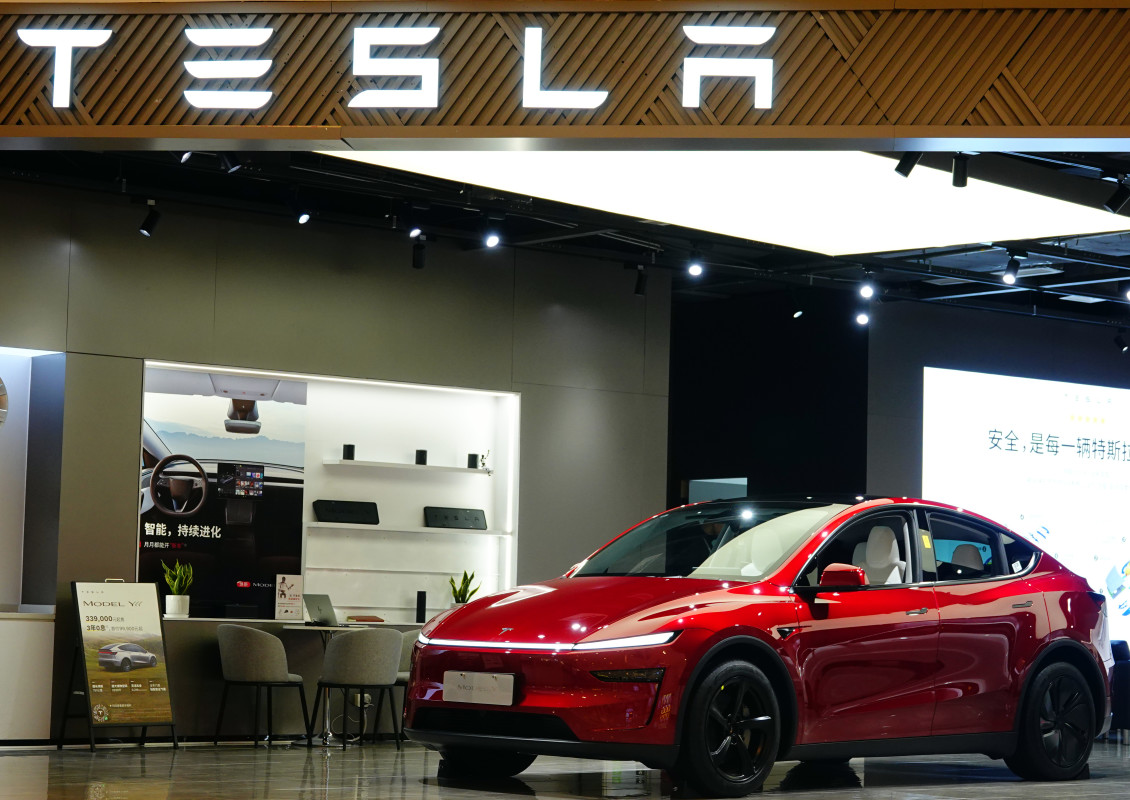
Burry: The “Elon Cult” and pay package are part of the problem.
Notably, Burry’s analysis comes on the heels of Tesla’s recent $1 trillion pay package for its CEO, Elon Musk. On November 6, over 75% of Tesla shareholders approved a record $1 trillion pay package for CEO Elon Musk. The full amount of Musk’s pay package is contingent upon Tesla achieving a combination of operational and valuation milestones over 10 years, including the delivery of 20 million Tesla vehicles, 10 million subscriptions to the Full Self-Driving autonomous driving assistance system, 1 million humanoid robots, and 1 million robotaxis in operation.
However, Burry sees this as not a reward for company performance, but as a guarantee that even more share and value dilution will affect its current shareholders. “With recent news of Elon Musk’s $1 trillion dollar pay package, dilution is certain to continue. Tesla’s market capitalization is ridiculously overvalued today and has been for a good long time.”
In addition, Burry also hit on the shifting narrative around Tesla, as Musk has previously pinned the makers of the Model Y and Cybertruck as “an AI and Robotics company” during recent earnings calls. He characterizes this as a way of keeping Musk’s “cult” invested in the company.
“As an aside, the Elon cult was all-in on electric cars until competition showed up, then all-in on autonomous driving until competition showed up, and now is all-in on robots – until competition shows up,” he noted.
Final thoughts
As much as I have tremendous respect for Michael Burry, his story and his current insights, it should be deeply stressed that many voices on Wall Street do not share his opinion. According to MarketBeat data, which tracked 44 Wall Street analysts who have issued ratings for Tesla in the last 12 months, 34, or more than three-quarters of the analysts, have given TSLA stock a “Buy” or “Hold” rating. In addition, prominent figures like CNBC personality Jim Cramer stated that the company’s pivot to autonomous and robotics has been a net positive for Tesla.
“But when Tesla fell from the $400s to the $200s at the beginning of this year, an amazing thing happened,” he said. “The stock, not the company, the stock, was always the same company, morphed into a chit in the great game of self-driving and robots. CEO Elon Musk simply changed the narrative, and the Street bought it. That perception has allowed the stock to regain almost all those lost points, even though it’s pretty much the same company it was before the decline in electric vehicle profits.”