An Early Misstep
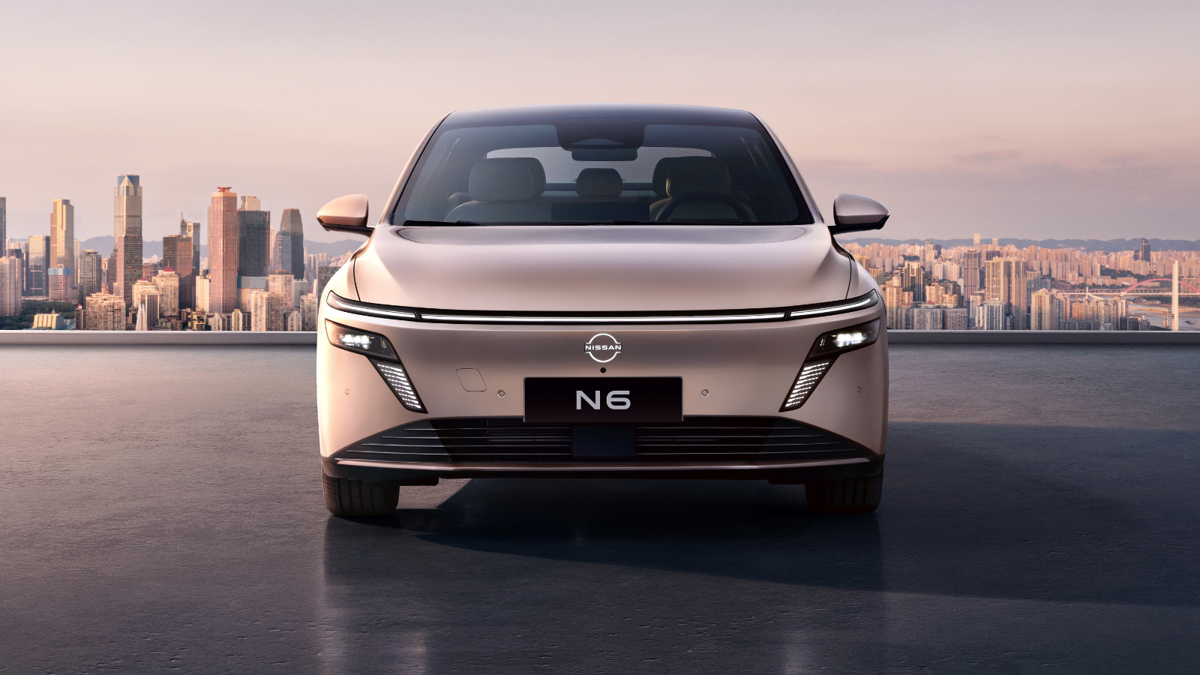
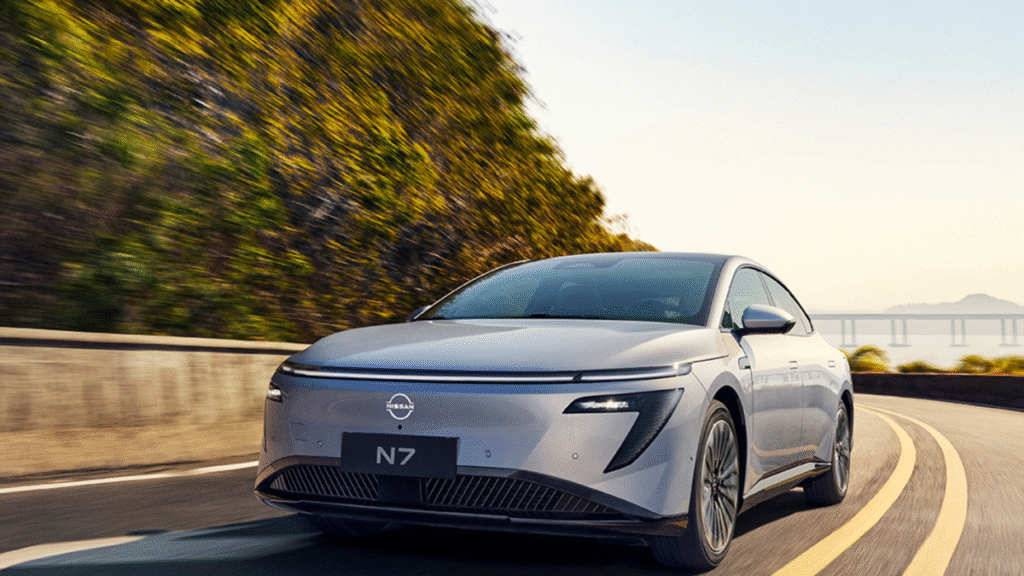
While Nissan plans to introduce new body-on-frame models in the U.S., the automaker is taking a more electrified approach in China. However, two of its newest entries, the N7 and N6, hit an early setback after being recalled by China’s State Administration for Market Regulation (SAMR) over a pedal-related issue.
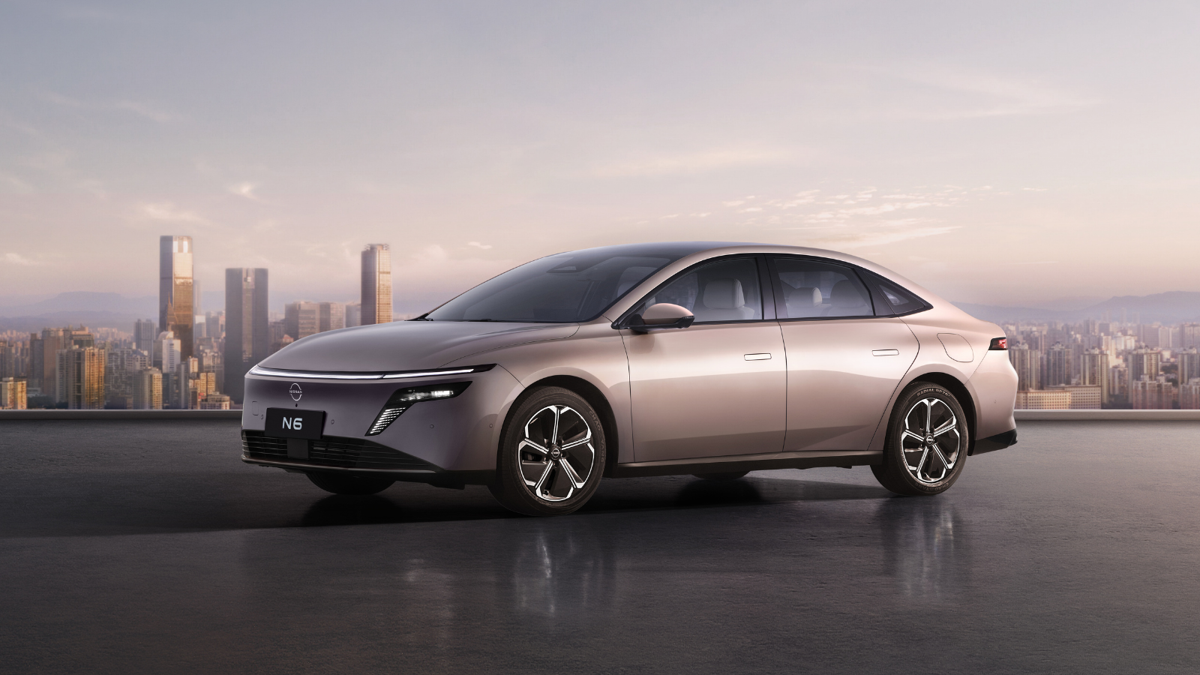
According to CarNewsChina, the N7 electric vehicle and N6 plug-in hybrid could develop wear inside the accelerator pedal assembly over time. The design-related defect could affect the pedal return operation, increasing the risk of a crash.
This safety campaign, published on May 22, covers nearly 70,000 vehicles, including 49,465 N7 units and 18,800 N6 units.
Trouble Beneath The Accelerator
Both the N7 and N6 compete in China’s sedan market, a segment where Nissan has struggled to gain traction in the U.S. Their positioning also shows how different market preferences can shape an automaker’s lineup. In China, the two models are part of Nissan’s broader local EV push in a highly competitive market led by players such as BYD, which globally outsold Tesla in BEVs last year.
So far, the regulator has not disclosed any reported crashes or injuries related to the issue.
As part of the remedy, Dongfeng Motor Co., Nissan’s partner in China, will replace the accelerator pedal assembly in affected vehicles. Affected N6 units will also receive a revised brake pedal assembly designed to match the updated pedal shape. As with most recalls, the service will be performed free of charge. The company will begin servicing affected units on May 25.
A Different Market, A Different Nissan
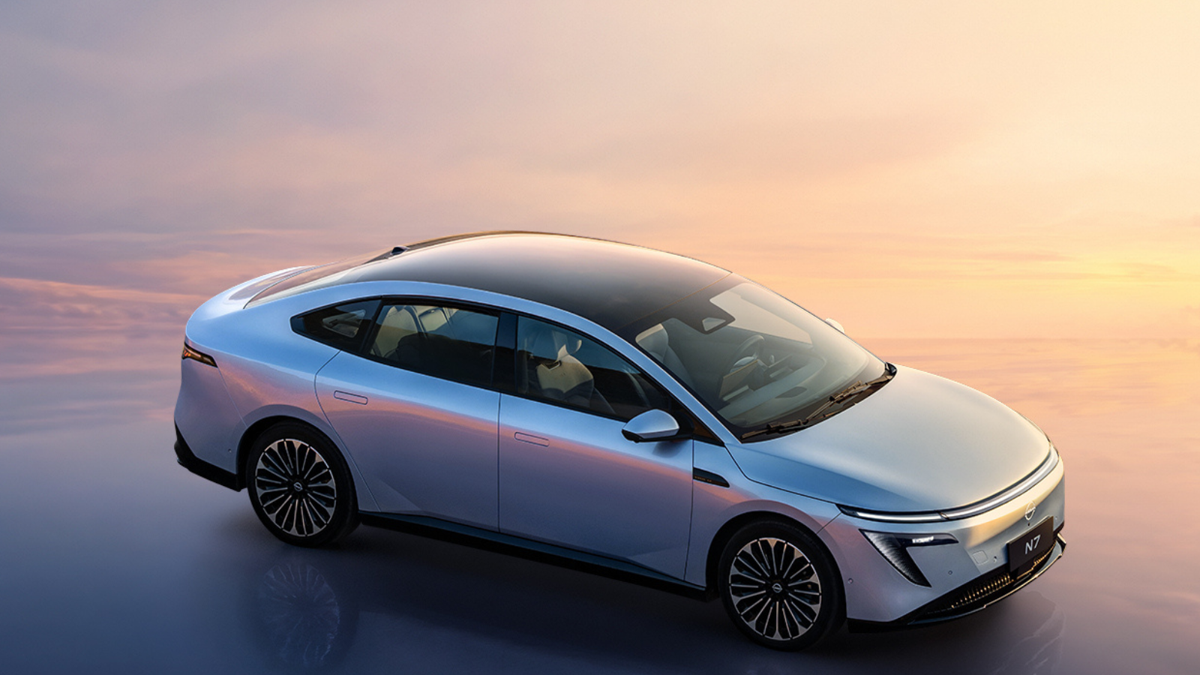
The N7 and N6 are unlikely to make their way to the U.S., not only because of Nissan’s differing regional strategies, but also because of America’s continued resistance to Chinese-made vehicles. That stands in contrast to Canada, which is allowing a limited number of EVs from China, a move the U.S. has criticized.
Part of the pushback stems from national security concerns over data privacy and the threat to the domestic industry, especially as Chinese-made cars remain highly affordable. The N6 PHEV, for instance, starts at 89,800 yuan, or about $13,200 at current exchange rates. Meanwhile, the N7, along with the NX8 SUV, could reportedly be introduced in neighboring North American markets such as Canada and Mexico.
Nevertheless, Nissan is finding its footing again in the U.S., having been the fastest-growing mainstream automotive brand in the country last fiscal year thanks to SUV and pickup truck models such as the Armada and Frontier. Its electrified lineup, however, is currently limited to the Leaf after the Ariya was discontinued following the 2025 model year.
Nissan N6